
Reviewed · POMPEII TOURS WITH AN ARCHAEOLOGIST
Herculaneum: Tickets & Tour with a Local Archaeologist
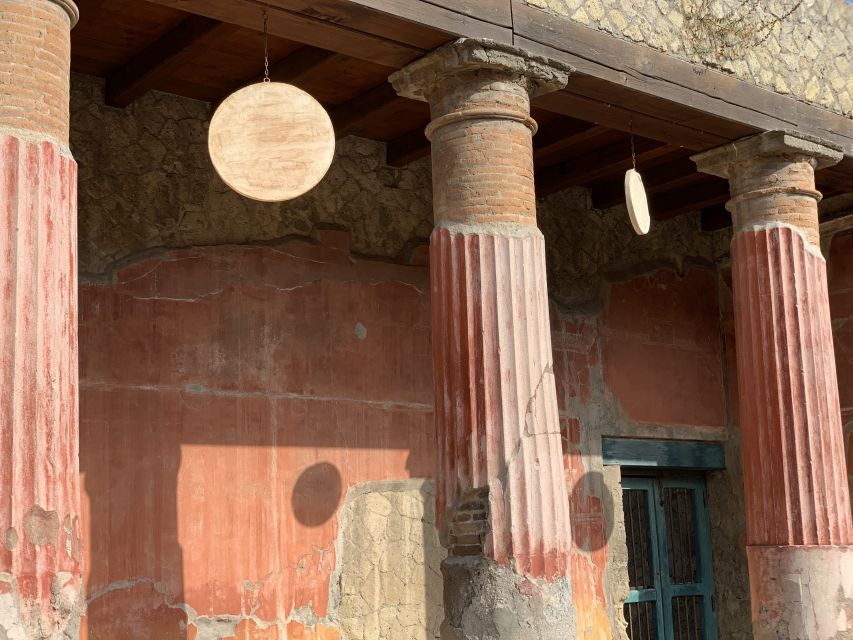
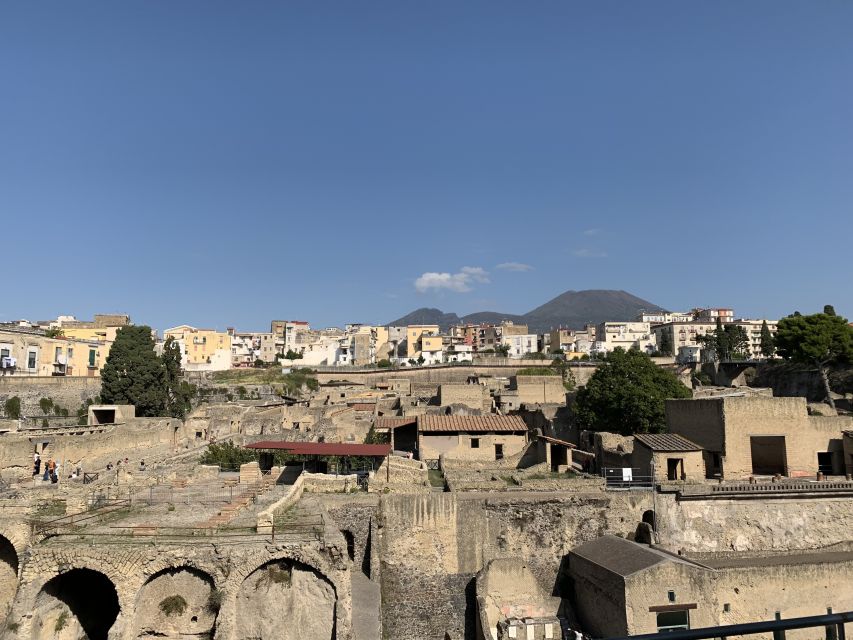
Herculaneum feels less like a field of ruins and more like a Roman town caught in mid-sentence. Wooden doors, upper floors, furniture, carbonized food and human skeletons survived the eruption of Mount Vesuvius in 79 AD, giving this small seaside city an intimacy Pompeii often lacks. I especially like the expert-led visits to the House of the Deer and the House of Neptune and Amphitrite, where a guide can point out details you could easily walk past.
I also like the two-hour length and small-group feel. Guides such as Raffaele, Riccardo, Enrica, Carlo and Giovanni have been praised for making the site understandable without burying you in dates. The main drawback is that two hours can feel tight, and noise around popular rooms may make a headset useful, especially for children or anyone who has trouble following a strong accent.
Key points to know before you book
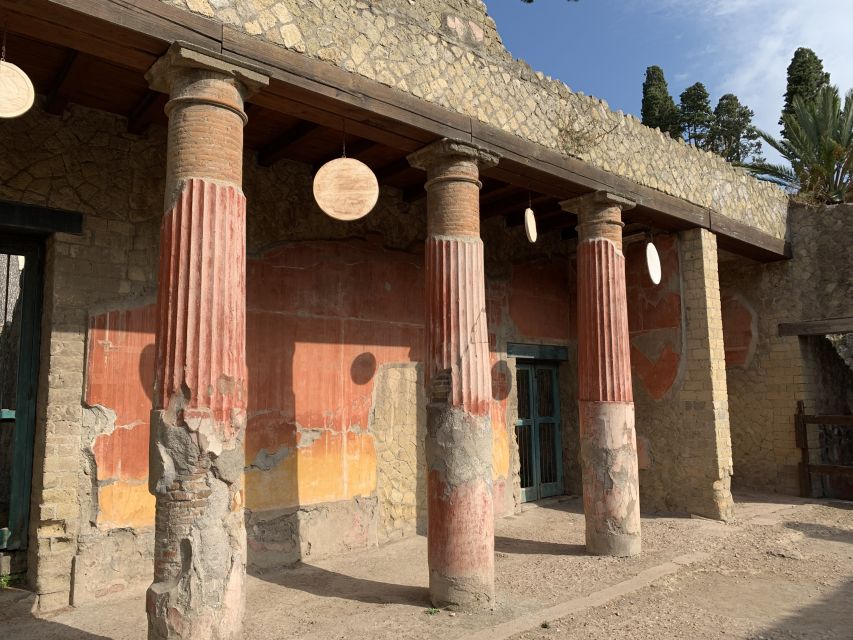
- Original Roman town: Walk ancient cobbled streets, enter homes and see public buildings preserved by volcanic material.
- Archaeologist-led interpretation: Guides explain how rooms were used, how water systems worked and what the eruption meant for local people.
- Remarkable domestic details: Frescoes, mosaics, wooden features, food remains and upper floors give the site an unusually personal feel.
- The boat houses are solemn: The skeletons offer a powerful reminder that this was a human disaster, not just an archaeological event.
- Two hours is focused: The route covers important highlights, but you will not inspect every corner of Herculaneum.
- Good value at $58: The fee includes entry, skip-the-line access and a licensed guide, which is useful if you want context rather than a quick look at walls.
Why Herculaneum can feel more personal than Pompeii
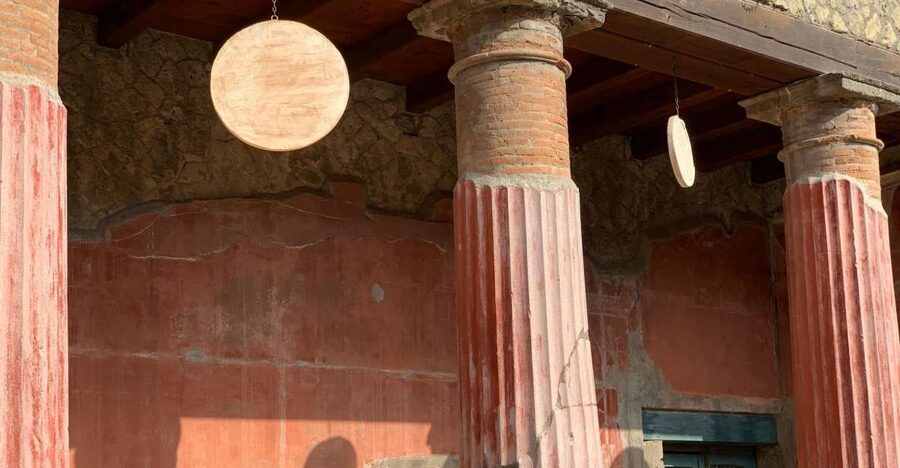
Pompeii is larger and more famous, but Herculaneum gives you a closer look at ordinary Roman life. The site is smaller, and many buildings retain more of their original shape. Upper floors remain in some places. Wooden doors and household objects survived in ways that make the city feel less abstract.
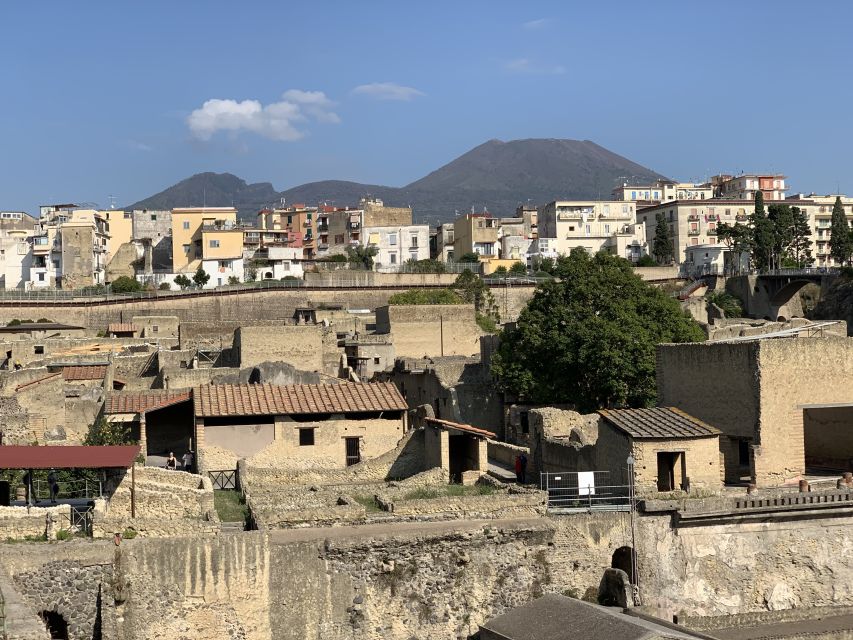
The reason is the nature of the eruption. Herculaneum was overwhelmed by extremely hot volcanic material that hardened around buildings and sealed them in place. Pompeii was mainly covered by ash and pumice, which created a different kind of preservation. You are not simply comparing two sets of ruins. You are seeing two different records of the same disaster.
That difference matters when you visit. At Herculaneum, a home may still suggest its original height and layout. A shop can tell you how people bought and sold goods. A bath complex shows how Roman engineering supplied water and heat. The guide’s job is to connect these fragments so you can picture the town before Vesuvius changed it forever.
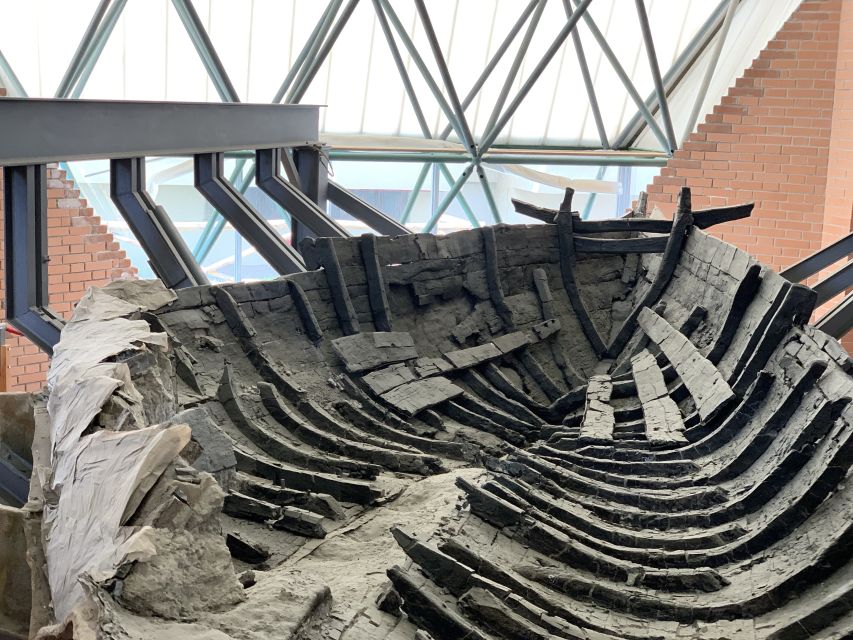
The final scenes at the waterfront are harder to take in. The boat houses became a refuge for people trying to escape. The skeletons found there bring the eruption down to a human scale. This is a quiet part of the tour, and it deserves more than a rushed photograph.
More Herculaneum tours:
- Ercolano: Herculaneum Entry Ticket with Optional Audio Guide
★ 4.1 · 581 reviews - Herculaneum: Skip The Line Entrance ticket + Audioguide
★ 4.3 · 266 reviews - Naples: Pompeii and Herculaneum Tour with Tickets and Lunch
★ 4.4 · 136 reviews
Meeting your guide at Biglietteria Ercolano
The tour begins at the Herculaneum ticket office, called Biglietteria Ercolano. Arrive 10 minutes before the scheduled start. That small buffer matters because you need to find the meeting point and join the group before the guide leads you inside.
The tour is offered in English, Spanish, Italian or French. A private group option is available, which may suit families or people who want more room for questions. Group size can affect how well you hear. One guide has been praised for repeating information when the area became noisy, while another visitor felt a microphone or headphones would have helped.
Headsets are included if the group exceeds 11 people. For a smaller group, you may simply gather around the guide. If you are visiting with young children, an afternoon start can sometimes make the site quieter, though crowd levels are not guaranteed. One visitor found a 4 pm visit especially calm, with little trouble hearing the guide.
Bring water and your passport or ID card. Hotel transport, food and drinks are not included, so you need to reach Ercolano on your own and plan refreshments separately.
House of the Deer and the scale of Roman comfort
The House of the Deer, or Casa dei Cervi, is one of the tour’s strongest stops. Its name comes from decorative deer sculptures, and the house helps show how affluent residents used space, views and decoration to create a comfortable seaside home.
This is where a guide can add real value. You may notice a courtyard, a mosaic floor or a painted wall, but an archaeologist can explain how those pieces fitted into Roman domestic life. You can begin to separate rooms used for formal reception from those intended for cooking, storage or private family life.
The house also helps you understand the wealth gap within Herculaneum. Not every resident lived in a large decorated villa. Moving through several homes during the visit lets you compare elegant interiors with more practical spaces. That contrast keeps the tour from becoming a parade of pretty floors.
Do not expect every room to be open or every decoration to be equally well preserved. One person who had visited Pompeii felt some of the frescoes highlighted here were less impressive than Pompeii’s best examples. Herculaneum’s strength is not always the size or polish of a single artwork. It is the way many small details survive together.
House of Neptune and Amphitrite: mosaics with a domestic setting
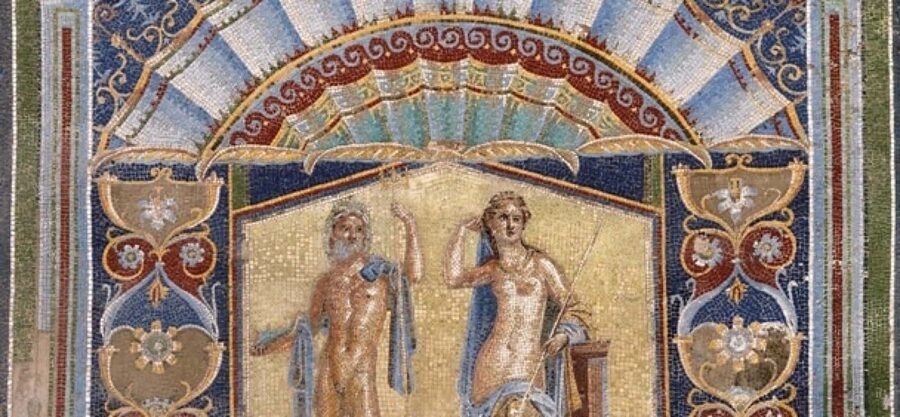
Casa di Nettuno ed Anfitrite is known for its colorful wall decoration and mosaics devoted to Neptune and Amphitrite. It is one of the clearest places to see how Roman owners used mythological scenes to decorate ordinary living spaces.
The key is to look beyond the central image. Notice how decoration, walls and practical features share the same rooms. A guide can explain what the space may have been used for and why a household would display mythological imagery. The point is not simply that the mosaic is old. It shows how art, status and daily life were tied together.
This stop can become crowded or noisy. If the guide pauses to explain a detail, stay close enough to hear and avoid drifting behind the group. The site has uneven paths and stairs, so comfortable shoes are sensible even though the walk is not described as strenuous for generally fit adults.
More Pompeii tours led by an archaeologist:
- Pompeii Small Group Tour with an Archaeologist
★ 5.0 · 6,593 reviews - Herculaneum: Skip-the-Line Guided Tour with Archaeologist
★ 4.8 · 3,439 reviews - Pompeii and Herculaneum Small Group Tour with an Archaeologist
★ 5.0 · 1,350 reviews - Herculaneum Small Group Tour and Ticket With an Archaeologist
★ 5.0 · 994 reviews
The Augustales and public life in Herculaneum
The Sacellum of the Augustales gives you a change of focus. Instead of looking only at private houses, you consider public and religious life. This building was connected with the Augustales, a group associated with the worship of the emperor.
You may find the room’s importance less obvious at first than a decorated villa’s. That is exactly where a guide earns the fee. The building helps place Herculaneum within the wider Roman political system, where local communities expressed loyalty to the emperor through public ritual and civic activity.
A good guide can also make this stop readable for children. Raffaele, Riccardo and other guides have been praised for explaining difficult subjects through stories and links to modern language. You are not expected to remember a list of Roman titles. You need to understand how a town worked, who held influence and why public buildings mattered.
The House of Skeletons and the human cost of the eruption
The House of Skeletons, or Casa degli Scheletri, is one of the more haunting stops. Its name points to the remains found inside, and the building adds another layer to the story of the eruption.
This part of the tour can feel heavier than the mosaics and villas. The skeletons are not decorative evidence. They belonged to people who were caught in a catastrophe. Guides who handle this carefully can explain the archaeology while keeping sight of the human loss.
The waterfront boat houses are especially powerful. People sought shelter there, but the heat and volcanic material made escape impossible. Seeing those remains after walking through homes and shops changes the way you understand the rest of Herculaneum. The city is not only a preserved Roman settlement. It is also a place where individual lives ended suddenly.
If your children are young or sensitive, you may want to prepare them for this part. The information provided does not set a minimum age, but the subject is serious. The guide can help place it in context without turning it into spectacle.
Casa dell’Albergo and the wider archaeological site
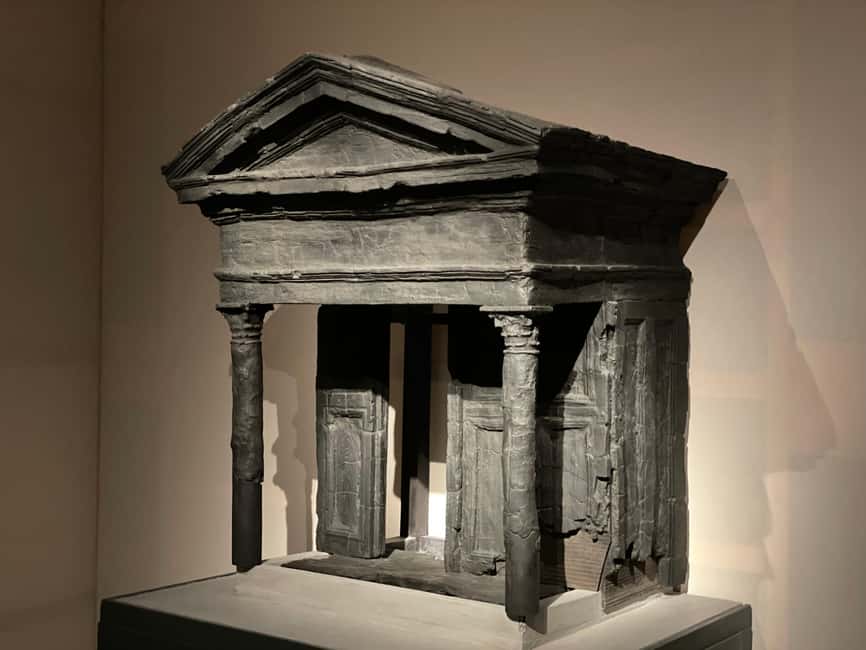
Casa dell’Albergo, or the House of the Inn, adds another piece to the town’s residential and commercial picture. The name can suggest a modern hotel, but the important point is that the building helps you think about how spaces served different roles in a Roman community.
At this stage, you will have seen private homes, a religious building, public facilities and areas linked with refuge. The route works because it does not treat each building as an isolated exhibit. It shows a town made up of households, workers, worshippers, customers and officials.
You then continue through the Archaeological Site of Herculaneum for photographs and additional explanation. The exact time spent at each stop can vary. Some guides adapt the visit to the group’s interests, while one person felt the pace could have been faster and that more ground might have been covered in two hours.
That is a fair trade-off. A guide who spends time explaining a wall painting, water system or room layout may leave you with fewer buildings seen but a better sense of what you actually saw. If you want to cover the entire site at speed, a guided tour may feel slow. If you want the place to make sense, the pauses are useful.
What the archaeologist adds to the visit
The strongest part of this activity is not the ticket. Herculaneum is worth seeing on its own, but many details are hard to interpret without help. A licensed archaeologist can explain what a room was for, how water moved through the town and why preserved materials matter.
Raffaele Romano has been described as holding a PhD in archaeology and giving clear explanations of life before and during the eruption. Riccardo has been praised for linking Roman word roots to modern languages and for adjusting the tour to the group’s interests. Enrica, Carlo, Giovanni, Ornella, Livio and other guides have also received praise for warmth, humor, storytelling and strong English.
Your guide will depend on the date and group assignment, so do not book on the assumption that one named guide is guaranteed. The useful pattern is clear, though: guides on this tour tend to focus on stories, daily life and visible evidence rather than reciting dates.
That approach is especially helpful if you have already been to Pompeii. Several guides use the contrast between the two sites to explain why Herculaneum feels smaller, more intimate and often better preserved. If you have not seen Pompeii, the tour still works well because it builds a picture of Roman society from the ground up.
Is $58 a fair price for two hours?
At $58 per person, this is not the cheapest way to enter Herculaneum. You are paying for more than admission, though. The price includes skip-the-line entry and a licensed guided visit, with headsets provided when the group exceeds 11 people.
The value depends on how you like to visit archaeological sites. If you enjoy reading every panel and planning your own route, a ticket alone may suit you better. If you want to know why a plain-looking room matters, or how to read a Roman house, the guide can prevent you from walking past the best evidence.
Two hours is long enough for a strong introduction. It is not long enough for a slow, complete inspection of every open building. I would see this as a focused first visit, especially for families, first-time visitors and anyone pairing Herculaneum with Pompeii.
Free cancellation up to 24 hours before the start and reserve-now, pay-later booking add flexibility. Those terms are useful when your Campania plans depend on weather, trains or Vesuvius conditions.
Who should book this Herculaneum tour?
I would choose this tour if you want the site explained in plain language, prefer a manageable visit and care about the people who lived here. It is a particularly good fit for families because the guide can turn walls and floor plans into stories about homes, shops and Roman habits.
It also suits adults who want archaeology without an academic lecture. The strongest guides are animated and responsive, and several have adapted their explanations to the group’s interests. You will get more from the visit if you stay near the guide and ask questions.
I would hesitate if you want a long, independent day at the site. The two-hour route is selective, and the pace may feel slow if you are determined to see as much as possible. Noise can also be a problem at busy points, and strong accents may be difficult for some young children to follow.
The site is not suitable for wheelchair users, and electric wheelchairs are not allowed. Paths and stairs were manageable for generally fit visitors in their early 60s, but you should expect uneven surfaces and some climbing.
Should you book it?
Book this tour if Herculaneum is new to you and you want its preserved homes, mosaics and final human stories to make sense. The archaeologist’s explanations are the main reason to pay more than the entrance fee, and the skip-the-line access is a useful bonus.
If you have already studied the site or prefer setting your own pace, visit independently instead. For most people, though, two focused hours with a strong local guide offers a better introduction than wandering among silent walls and guessing what they mean.
FAQ
How long does the Herculaneum tour last?
The tour lasts two hours. It includes guided visits to several houses and public buildings, followed by time within the wider archaeological site.
Where does the tour meet?
You meet at the Biglietteria Ercolano ticket office. Arrive 10 minutes before the scheduled start.
What languages are available?
Live guiding is available in English, Spanish, Italian and French.
Are entry tickets included?
Yes. Skip-the-line entrance tickets and the licensed guided tour are included. Headsets are included if the group exceeds 11 people.
Is the tour suitable for wheelchair users?
No. The activity is not suitable for wheelchair users, and electric wheelchairs are not allowed.
What should I bring?
Bring your passport or ID card and water. Hotel pickup and drop-off, food and drinks are not included.
Just added around Ercolano
- Vesuvius and Pompeii Transfer + Entrance for the Vesuvio★ 4.2 · 11 reviews
- Herculaneum with an Archaelogical Guide & Ticket★ 4.8 · 11 reviews
- Herculaneum – Small Group Tour (admission included)★ 5.0 · 14 reviews
- Herculaneum Archaeological Park smart Audio Tour★ 3.8 · 70 reviews
- Herculaneum: Skip-The-Line Entrance Tickets + Audioguide★ 4.7 · 3 reviews
- Herculaneum: Private Walking Tour with Archeologist Guide★ 5.0 · 59 reviews
- Herculaneum: 2hour Shared Guided Tour + entry tickets★ 4.3 · 38 reviews
- Herculaneum: Private Tour with Driver from Naples★ 4.6 · 15 reviews
Pompeii Tours with an Archaeologist, compared.
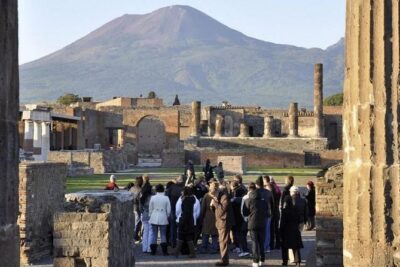
Pompeii Small Group Tour with an Archaeologist
Read our review →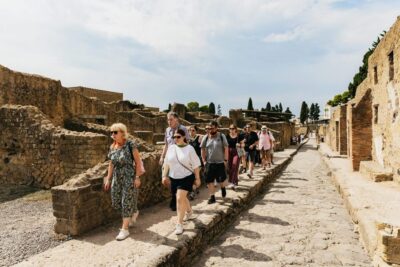
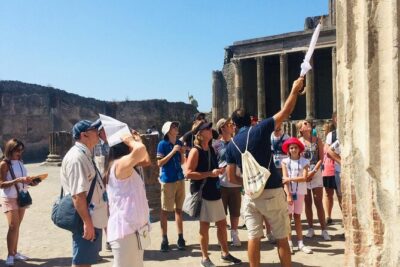
Pompeii and Herculaneum Small Group Tour with an Archaeologist
Read our review →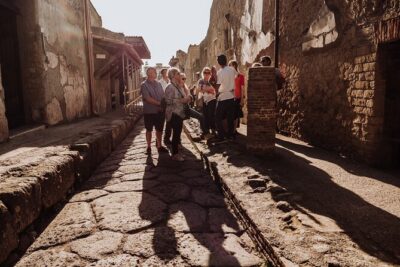
Herculaneum Small Group Tour and Ticket With an Archaeologist
Read our review →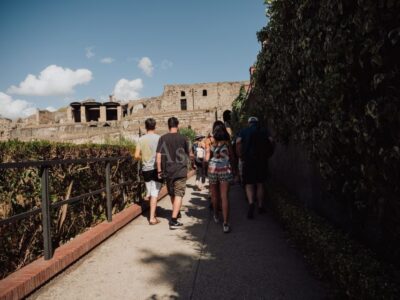
Pompeii & Herculaneum with Archaeologist Guide
Read our review →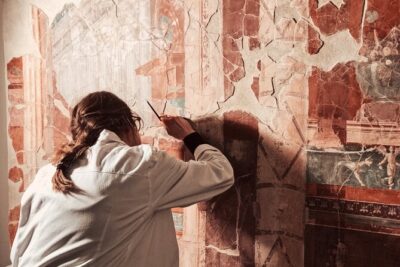
Pompeii Private Tour with an Archaeologist and Skip The Line – 3 hours
Read our review →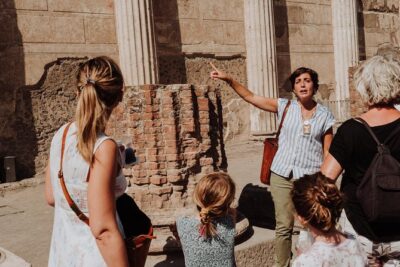
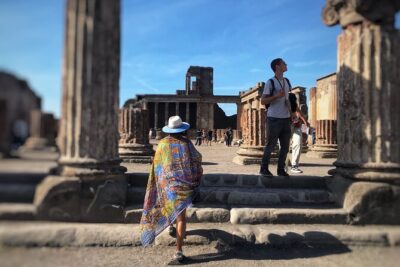
Pompeii Private Tour with an Archaeologist and Skip The Line
Read our review →Browse the lists this tour appears in