
Reviewed · PRIVATE TOURS IN POMPEII
Private Awesome Pompeii Family Tour + Guide, Transport & Tickets
Pompeii makes the strongest impression when you stop seeing it as a pile of ruins and start seeing it as a city. This private tour gives your family that chance, moving through homes, shops, baths, markets, temples, and theaters with a guide who can explain what each place meant in daily Roman life. The view of Mount Vesuvius from Pompeii adds a sharp reminder of what happened here in AD 79.
I like the private format for two reasons: you can ask questions without holding up a large group, and the guide can shape the visit around your family. I also like the pickup flexibility from Naples or Sorrento, plus admission tickets included. Guides named Fabio and Fabrizio have been praised for clear explanations and a warm manner with children.
The main drawback is the price, $457.02 per person, which is a serious outlay for a four to five-hour visit. The tour also covers a wide area on foot, so good shoes, sun protection, and a reasonable fitness level matter.
Key points to know before you book
- Private family pacing: Your group has its own English-speaking guide, making it easier to pause, ask questions, or keep children engaged.
- Pickup from Naples or Sorrento: You can arrange a meeting point within these areas, which saves the trouble of organizing a separate route to Pompeii.
- Pompeii’s essential sights: The route includes the Forum, Basilica, Temple of Apollo, Forum Baths, House of the Faun, Via dell’Abbondanza, theater, and Antiquarium.
- Mount Vesuvius from below: You get strong volcano photo opportunities from Pompeii, but this tour does not drive to the summit.
- Tickets are included: Full participant names are required in advance because they are needed for admission.
- Best for families who value context: The guide is the main reason to choose this over simply entering the ruins with a map.
Why a private Pompeii tour works well for families
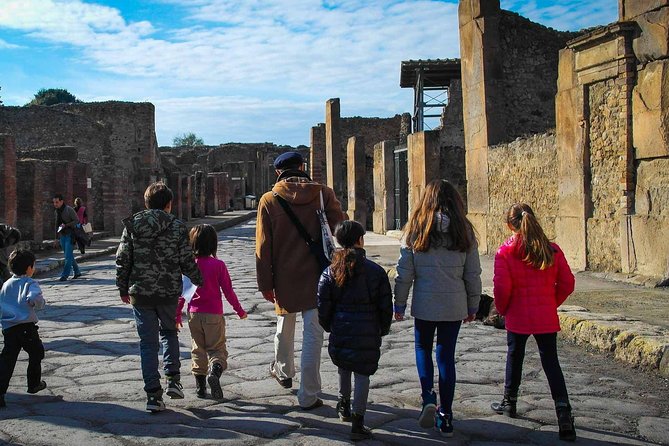
Pompeii is enormous, open to the sun, and full of details that are easy to miss. A private guide turns the site into a readable story. Instead of wondering why a building mattered, you can ask how it was used, who entered it, and what its remains tell us about Roman life.
That matters even more with children. A ten-year-old may not care much about civic architecture, but a bakery, a bathhouse, a market counter, or the raised stones along a street can make the ancient city feel real. One guide, Fabio, was praised for explaining things clearly to children aged 10 and 12. Fabrizio was also noted for keeping an eight-year-old engaged during a well-paced visit.
The private setup gives you room to adjust. If your family wants more time with the mosaics at the House of the Faun, you can ask. If the heat is wearing everyone down, you can keep moving through the main sights instead of waiting for a large group. The tour lasts about four to five hours, with roughly two hours specifically assigned to the main archaeological park portion. In practice, the visit covers many locations, so the pace may feel active.
More Guided Tours in Pompeii
- Skip the Line Guided Tour of Pompeii led by an Archaeologist
★ 5.0 · 703 reviews - Pompeii private tour with an Official Guide
★ 5.0 · 631 reviews - Pompeii Skip-the-line Tour with Archaeologist Guide
★ 5.0 · 559 reviews
Starting at Porta Marina and the city walls
The visit begins at Porta Marina, one of Pompeii’s main ancient entrances. It is a useful place to get your bearings because the guide can explain the city’s layout before you start crossing its streets.
The walls and gate also give you an early sense of Pompeii as a working city rather than an isolated archaeological site. People entered through these routes for business, worship, shopping, legal affairs, and ordinary errands. The guide can connect the gate with Pompeii’s links to nearby ports and trade routes, giving the rest of the walk a clear framework.
You will also see Mount Vesuvius from the bottom. This is one of the most useful visual moments in Pompeii, since the volcano is not just a distant landmark. It is the physical presence behind the city’s sudden end. Keep your camera ready, but do not expect a volcano excursion. The tour does not include a drive to the top of Vesuvius.
The Basilica, Forum, and Temple of Apollo
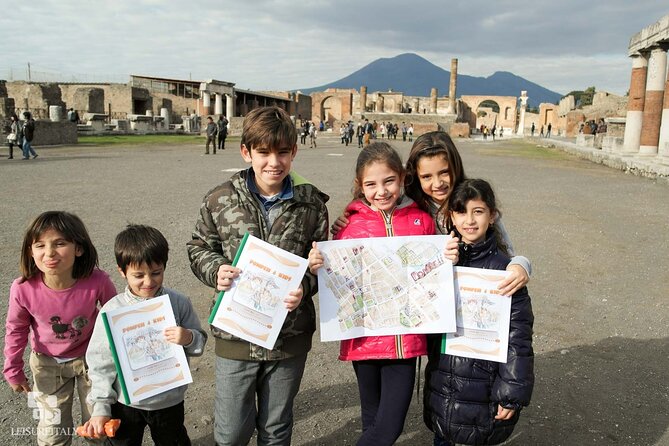
The Basilica was Pompeii’s main center for legal and business matters. Its tall columns and broad interior help you picture merchants making deals, officials handling disputes, and citizens taking part in public affairs. It is not a church in the modern sense, and your guide can help you understand its Roman civic role.
From there, the Forum gives you the broadest view of public Pompeii. This open square brought together politics, religion, trade, and social life. Temples, administrative buildings, markets, and covered walkways surrounded it, so the Forum is an excellent place to understand how the city functioned as a whole.
The nearby Temple of Apollo adds the religious side of the story. Dedicated to Apollo, the sanctuary was one of Pompeii’s oldest sacred sites. Columns, an altar, and bronze decorations help show how worship, public ritual, and political identity overlapped in Roman cities.
These first stops can feel abstract if you are exploring alone. With a private guide, you can ask practical questions about who used each building and why it was placed where it was. That personal explanation is a major part of what you are paying for.
Markets, baths, and the ordinary Roman day
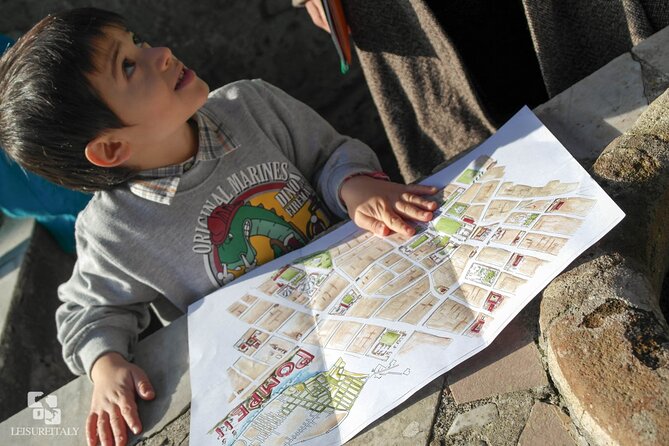
At the Macellum, Pompeii’s main indoor market, the focus shifts from officials and gods to food. Stalls and counters once handled products such as fish, meat, produce, grains, and spices. Storage spaces help you picture the work behind the sales.
This is one of the better stops for families because it connects naturally with modern life. You can ask what people bought, how food was displayed, and how a Roman market served a neighborhood. The remains do not offer every answer, but the structure gives your guide plenty to explain.
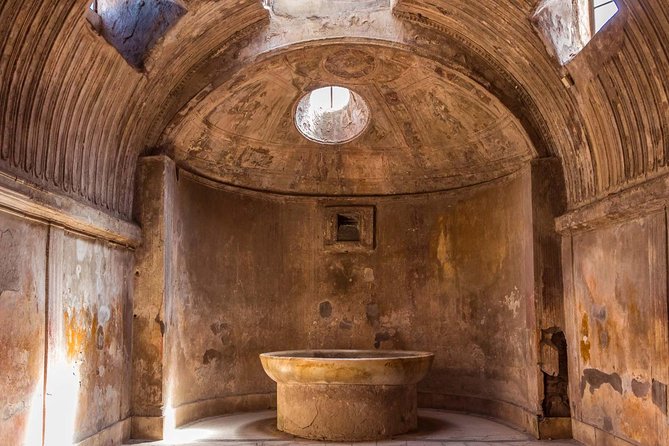
The Forum Baths show another side of daily routine. Romans did not use baths only to wash. These were places to spend time, meet people, and discuss business. The complex includes heated rooms, changing areas, marble basins, frescoes, and stucco decoration.
The baths are also a good reminder that Roman public buildings could be technically advanced and socially important at the same time. You will see the spaces, but the guide helps you understand the sequence of using them and the role they played in community life.
More Private Tours in Pompeii
- Pompeii Private Tour with an Archaeologist and Skip The Line – 3 hours
★ 5.0 · 564 reviews - Visit in Pompeii – Pompeii Private Tour with Ada
★ 5.0 · 436 reviews - Pompeii Private Tour with an Archaeologist and Skip The Line
★ 5.0 · 391 reviews - Pompeii Vineyard Escape: Private Wine Tasting & Lunch
★ 5.0 · 329 reviews
The House of the Faun and Pompeii’s wealthy residents
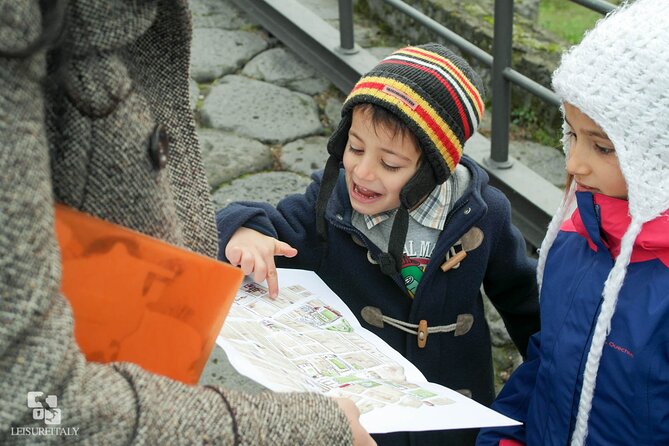
The House of the Faun was one of Pompeii’s grandest private homes. Its courtyards and mosaics show how wealthy families used architecture to signal status and impress guests.
The famous Alexander Mosaic is the star here. It depicts Alexander the Great in battle and is one of the most celebrated artworks connected with Pompeii. Your guide can help you look beyond its beauty and consider what such a mosaic said about the owner’s education, taste, and wealth.
This stop balances the more public parts of Pompeii. After seeing markets, temples, and civic buildings, you get a look at private luxury. Courtyards, rooms, and decorative surfaces show that Roman homes were also places for social display and formal entertaining.
The drawback is that this area can be absorbing enough to make the rest of the route feel rushed if your family wants to study every detail. Tell your guide early if mosaics and domestic architecture are high on your list.
Walking Via dell’Abbondanza
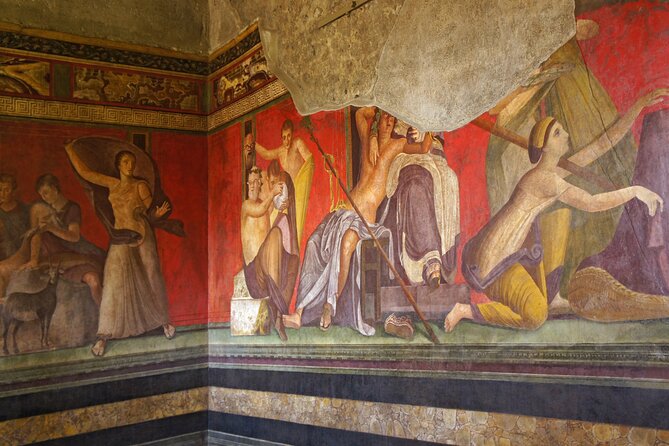
Via dell’Abbondanza was one of Pompeii’s main commercial streets. Shops, bakeries, taverns, workshops, and homes lined the route, making it one of the best places to picture ordinary movement through the city.
Look for the practical features. Water fountains served the neighborhood, while raised stepping stones helped pedestrians cross the street without stepping into runoff or muddy ruts. The road layout shows that Pompeii had problems familiar to any city: traffic, drainage, deliveries, and crowded public space.
This is a strong section for children because the street feels easy to read. You can point out where people worked, ate, shopped, and lived. A guide can turn the remains into questions your family can follow: Where would a shopkeeper stand? How would someone move goods? Why are the stones raised?
The route is on foot, and Pompeii offers little shade in many areas. From May through September, bring sun protection. A hat, water, and comfortable walking shoes will make the difference between an enjoyable visit and a tiring one.
Seeing the Insula of the Chaste Lovers from above

The Insula of the Chaste Lovers gives you an elevated view over a residential block. From above, you can see the arrangement of houses, courtyards, bakeries, and work areas more clearly than from street level.
This viewpoint is valuable because Pompeii can otherwise feel like a series of separate buildings. Looking down lets you see how tightly the homes and businesses fitted together. It also helps you imagine the movement of families, workers, and servants through shared urban space.
The name may catch a child’s attention, but the real value is the layout. You get a clearer picture of how domestic life operated within a dense city. Ask your guide to point out the difference between private rooms, working areas, and communal routes.
The Grand Theatre and Pompeii’s public entertainment
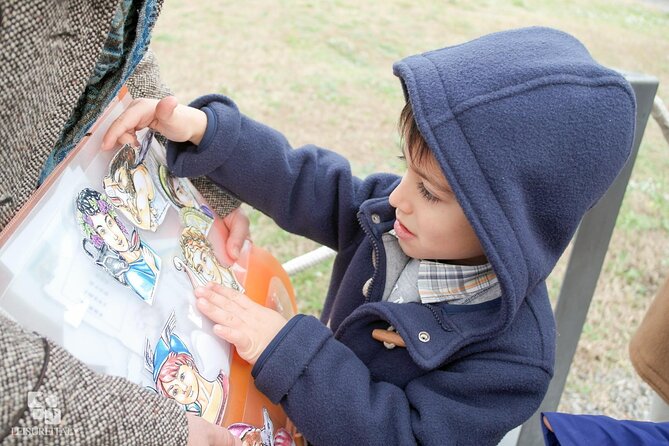
The Grand Theatre is one of the most atmospheric stops on the route. This open-air venue hosted comedies, tragedies, and political performances. The stone seating and broad stage make it easy to understand how a large audience could gather here.
Your guide can explain how the bowl-shaped design helped carry voices across the space. Sitting on the stone tiers, you get a physical sense of the theater as a place for shared entertainment, not just an old structure to photograph.
The upper seats provide views across the stage and nearby ruins. This is a natural pause in the visit, especially for families who need a change from streets and walls. It also shows that Pompeii’s residents made time for culture, performance, and public gatherings.
The Antiquarium and the human cost of the eruption
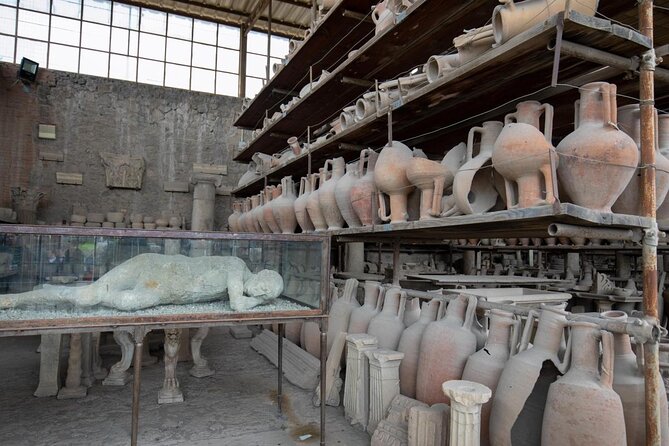
The Antiquarium helps connect the outdoor ruins with the objects found inside them. Exhibits include statues, frescoes, household items, and casts of victims. These objects give the city a more personal scale.
The casts can be difficult to see, especially for young children. They are powerful because they show the human cost of the eruption, but families may want to prepare children in simple terms before reaching this part of the visit.
The museum also helps explain what the archaeological remains cannot show on their own. A wall tells you where a room stood. A household object suggests how it was used. A fresco hints at the owner’s taste. Together, these pieces make Pompeii easier to understand as a lived-in city.
Depending on the day and the route chosen by the guide, the Antiquarium may feel like a final point of context after the open-air walk. It is worth asking questions here before you leave the site.
Price, pickup, and what the fee means
At $457.02 per person, this is not a budget Pompeii outing. The price makes the most sense for families or small groups who want a private guide, included admission, and pickup flexibility from Naples or Sorrento.
The key value is not simply transportation. It is the guide’s attention. You are paying for someone to organize the route, explain the buildings, answer questions, and adjust the experience to your group. That can be worthwhile when children are involved or when you want more than a quick walk among ruins.
Pickup is available within the Naples and Sorrento areas, but you need to specify your meeting place. The experience is offered in English, and only your group participates. Group discounts may be available, so it is worth checking the total cost for your party rather than judging the per-person price alone.
The tour is commonly booked well ahead, about 187 days in advance on average. If your dates are fixed, reserve early. You will receive confirmation at booking unless you book within one day of departure, in which case confirmation depends on availability.
Who should book this Pompeii experience?
I would choose this tour for a family that wants a clear story, personal attention, and a relaxed alternative to joining a large group. It also suits first-time Pompeii visitors who want the main sights without spending time figuring out a map or deciding which streets matter most.
It is less suitable if you want to climb Mount Vesuvius, spend an entire day at the archaeological park, or explore at a very slow photography-focused pace. The tour sees many important places in four to five hours, so it is best for a focused visit rather than a full archaeological study.
Bring comfortable walking shoes, sun protection from May through September, and the full names of every participant for the tickets. Service animals are allowed, and the meeting area is near public transportation.
Should you book it?
Book this private Pompeii tour if your family values a guide who can explain Roman life in plain language and adjust the pace around children. The strongest reasons are the private format, pickup from Naples or Sorrento, included admission, and the clear family focus shown by guides such as Fabio and Fabrizio.
Skip it if the $457.02 price feels too high for a half-day visit or if your main goal is reaching the summit of Vesuvius. For families who want Pompeii to make sense, rather than simply see it, the personal guide is the main advantage.
FAQ
How long does the Pompeii family tour last?
The experience lasts approximately four to five hours. About two hours are allocated to the Archaeological Park of Pompeii, with additional time covering the featured sites and walking between them.
Is admission to Pompeii included?
Yes. Admission tickets are included in the tour price. You must provide the full names of all participants because they are required for the tickets.
Is the tour private?
Yes. Only your group participates in the activity, so you are not joined by unrelated visitors.
Is the tour offered in English?
Yes. The tour is offered in English with a private guide.
Can I be picked up in Naples or Sorrento?
Yes. Pickup can be arranged anywhere within the Naples and Sorrento areas. You need to specify your preferred pickup place.
Does the tour go to the top of Mount Vesuvius?
No. You will see the volcano from the bottom and can take photographs from Pompeii, but the tour does not drive to the summit.
Is the tour suitable for children?
Yes. It is designed as a family-friendly private experience. Guides such as Fabio and Fabrizio have been praised for explaining Pompeii clearly to children, including children aged 8, 10, and 12.
What should I bring or wear?
Wear suitable walking shoes and bring sun protection from May through September. You should also be prepared for a moderate level of physical activity.
More Ways to See Pompeii
- Pompeii Small Group Tour with an Archaeologist
★ 5.0 · 6,593 reviews - Discover the Ancient Ruins of Pompeii: Day Trip from Rome
★ 3.5 · 2,247 reviews - Pompeii and Herculaneum Small Group Tour with an Archaeologist
★ 5.0 · 1,350 reviews - Pompeii Ticket + Tour with Optional Tasting Experience at Pompeii
★ 5.0 · 663 reviews
Just added around Pompeii
- Wine Tasting and Winery Tour in Vesuvio National Park with Lunch★ 4.5 · 3 reviews
- Mt. Vesuvius Wine Tasting and Lunch Experience from Pompeii★ 4.5 · 20 reviews
- Wine tasting in the Vesuvius national park★ 5.0 · 3 reviews
- Private Guided Tour and VR Headsets in the Ancient Pompeii★ 5.0 · 3 reviews
- Visit Pompeii with a local expert guide★ 5.0 · 10 reviews
- Traditional Neapolitan Dinner in Pompei – Villa Franca – Family Restourant★ 5.0 · 8 reviews
- Tour Mount Vesuvius with Entry Tickets and Round Trip Transfer Included★ 3.5 · 4 reviews
- Vesuvius tour entrance to the crater and return bus★ 4.5 · 9 reviews
Private Tours in Pompeii, compared.

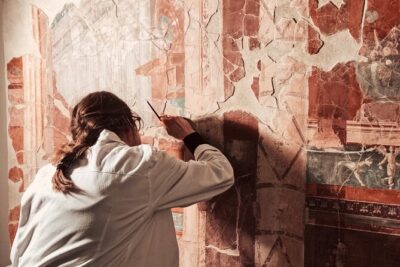
Pompeii Private Tour with an Archaeologist and Skip The Line – 3 hours
Read our review →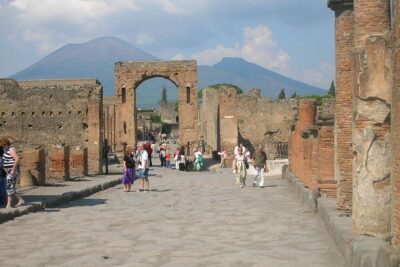
Visit in Pompeii – Pompeii Private Tour with Ada
Read our review →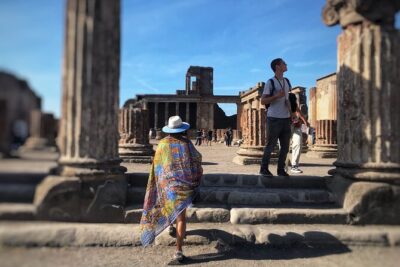
Pompeii Private Tour with an Archaeologist and Skip The Line
Read our review →
Pompeii Vineyard Escape: Private Wine Tasting & Lunch
Read our review →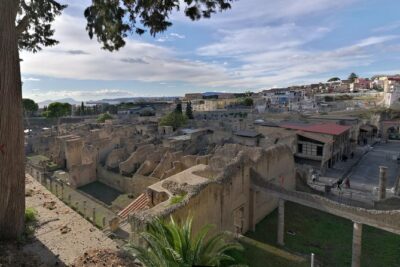
Private Day Tour to Vesuvius, Herculaneum & Pompeii with Pick Up
Read our review →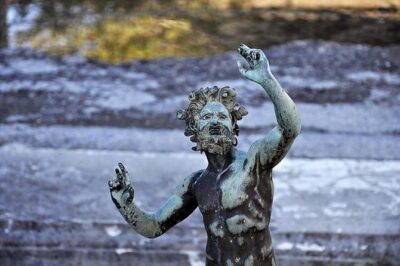
Guided Small Group Tour Max 6 People with Private Option
Read our review →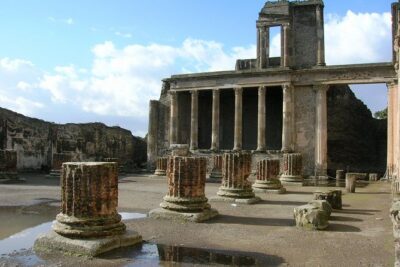
2 Hour Private Tour with an Archeologist Guide
Read our review →Browse the lists this tour appears in