
Reviewed · HERCULANEUM TOURS FROM NAPLES
From Naples: 2-Hour Herculaneum Kid-Friendly Tour
Herculaneum works wonderfully for children because it feels like a real Roman town, not just a field of broken stones. You can enter houses, see shops and baths, walk along ancient streets, and reach the beach where victims of the eruption were found.
I like the private format, which lets the guide adjust the pace and attention level to your family. I also like the use of tablets, reconstructions, and multimedia, especially for children who need a visual story to connect with old walls and faded decorations.
The main caution is time. Two hours goes quickly in a site this full of houses and details, and the tour does not include transportation from Naples. Also, the information gives conflicting wheelchair guidance, so confirm access arrangements before booking.
Key points at a glance
- A child-focused route through a real Roman town: Enter houses, shops, baths, temples, and public spaces rather than viewing the ruins from a distance.
- Private two-hour touring: The guide can focus on your children’s questions, energy, and attention span.
- Visual learning tools: Tablets, reconstructions, and multimedia help explain buildings that can otherwise look like plain stone walls.
- A strong mix of daily life and tragedy: See a bakery, restaurant counter, baths, homes, and the shoreline where eruption victims were discovered.
- English or Italian guiding: A local certified guide meets you at the Herculaneum ticket office.
- Admission included: The listed price is $206.75 per person, including the 16 euro entrance fee, but not transport or meals.
Why Herculaneum works so well with children
Herculaneum gives children something concrete to picture. Instead of only hearing about Roman life, you can walk into the places where people cooked, bathed, worshipped, worked, and lived.
The town was buried by the eruption of Mount Vesuvius, and many features survived unusually well. That means a child can look at a food counter, a bakery, a mosaic, a wooden partition, or a painted room and ask what it was used for. The guide’s job is to turn those remains into a story.
This is not a tour designed to rush adults through a list of famous monuments. It is built around keeping children involved. The guide can use questions, images, and reconstructions to explain why a Roman home had a central courtyard or how a public bath worked.
A private group also matters here. Children may need a short pause, a change of subject, or a simpler explanation. With only your family in the group, the guide can respond to those needs instead of following the rhythm of a large party.
The tour is still a walking tour through an archaeological site. Your children will need to keep moving for two hours, and some areas may feel uneven or exposed. There is no included vehicle transfer, so you must arrange your own way to the meeting point.
More Herculaneum tours:
- Herculaneum: Skip-the-Line Guided Tour with Archaeologist
★ 4.8 · 3,439 reviews - Herculaneum Small Group Tour and Ticket With an Archaeologist
★ 5.0 · 994 reviews - Herculaneum: Skip-the-Line Entry Ticket with Audio Guide
★ 4.3 · 870 reviews
Meeting at Via dei Papiri Ercolanesi
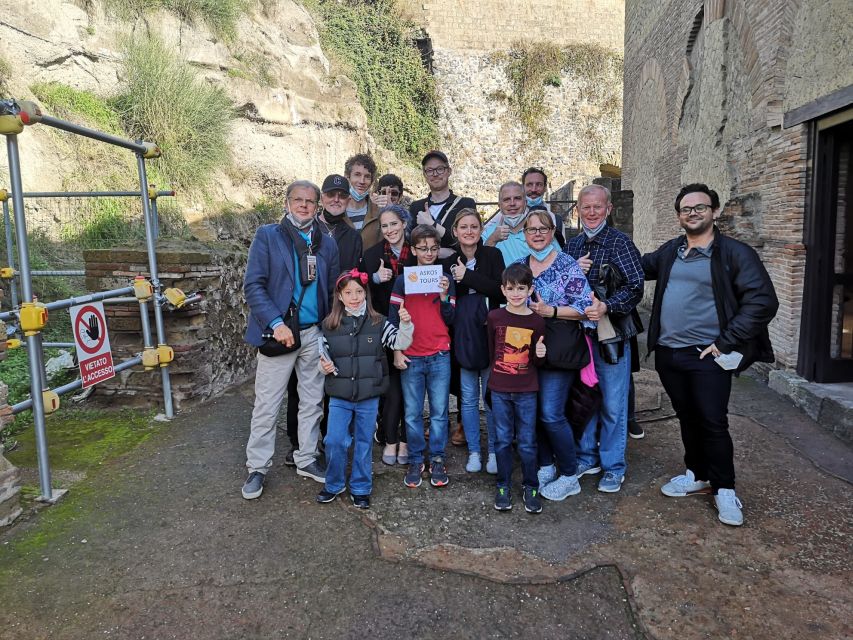
The tour begins at Via dei Papiri Ercolanesi, 21, at the ticket office of the Herculaneum ruins. Look for a guide holding a sign with your name.
This setup is simple, but it is worth planning carefully. The activity does not pick you up in Naples, and no transport is included. You need to arrive at the archaeological site on your own and allow enough time to find the ticket office.
The guide speaks English or Italian and is a local certified professional with a focus on tours for children. The available information does not provide a guide’s personal name, so you should not expect to request a particular individual unless the operator confirms one after booking.
The tour includes Herculaneum admission, listed as 16 euros per person. It also includes skip-the-ticket-line access, which can save useful time when children are ready to start but not keen on waiting.
Northern Cardo and the feel of a Roman street
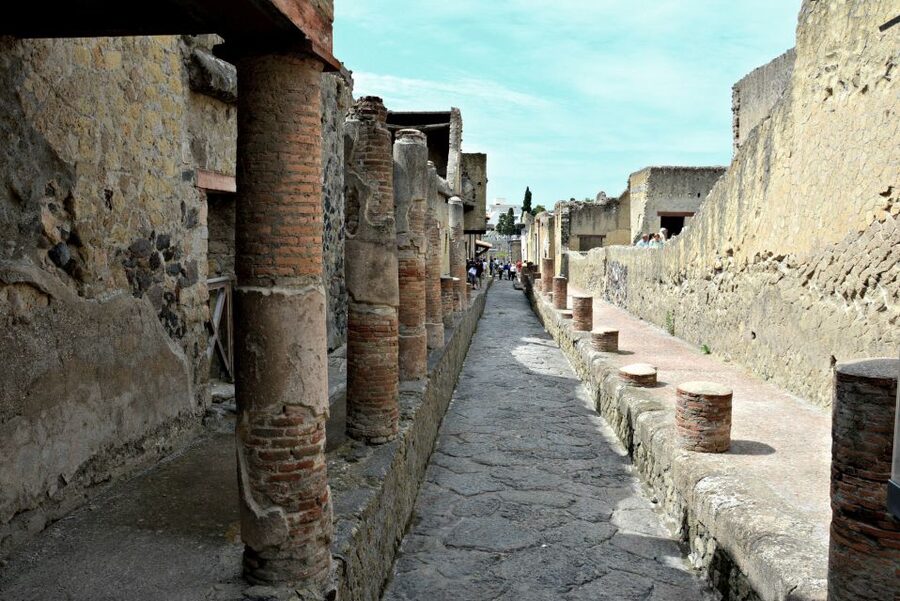
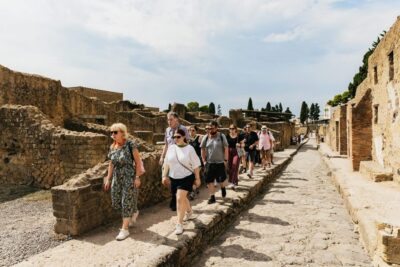
The route begins among the streets and buildings of ancient Herculaneum. The Northern Cardo is a road running north to south, and it helps you understand the town as a functioning place rather than a collection of separate ruins.
For children, streets are useful anchors. You can point out where people walked, where homes opened onto the road, and how public and private spaces sat close together. A guide using a tablet or reconstruction can show how the same area may have looked before the eruption.
The best feature of this part of the visit is scale. Herculaneum is compact enough for a child to grasp as a town, yet detailed enough to keep revealing new rooms and objects.
The House of the Skeleton and the human story
The House of the Skeleton adds a darker note. Its name connects the building with human remains, and it helps explain that this was not simply an abandoned town.
The guide can decide how much detail is right for your children. Younger children may need a gentler explanation, while older children may want to understand what the eruption did to the people who lived here.
That flexibility is one reason the private format is useful. You can ask the guide to focus more on architecture, daily routines, or the eruption itself. The site offers all three stories, but your family does not have to treat them in equal measure.
A few more Naples outings worth a look
- Naples Archaeological Museum 2-Hour Guided Private Tour
★ 5.0 · 51 reviews - Naples: Capodimonte Museum 2-Hour Guided Private Tour
★ 4.5 · 15 reviews - Naples: 2-Hour Walking Tour w/ Food Tasting Experience
★ 4.4 · 15 reviews - 2-Hour Authentic Italian Pizza Making Class in Naples
★ 4.5 · 14 reviews
Thermopolium, bakery, and everyday Roman food
The thermopolium was a Roman food shop or restaurant counter. This is often one of the easiest places for children to understand because it connects directly with something familiar: buying and eating food.
The bakery adds another practical layer. Instead of imagining Roman life as only temples and grand houses, your family sees the work that kept a town fed. These stops help children picture shopkeepers, cooks, customers, and workers moving through the streets.
Ask the guide to explain what the counters were for and how the bakery fit into the town. Tablets and reconstructed images can make plain masonry easier to read.
Baths, temples, and the public side of town
The men’s thermal bath shows how Romans used public bathing as part of urban life. It was not only about washing. The bath complex belonged to the social and civic side of the town, and it gives the guide a chance to explain how Romans spent time together.
The Temple of Augustali, also called the Sacellum of the Augustales, introduces religion and public honor. The forum, the main square, gives the tour a central point where civic activity took place.
These spaces balance the domestic houses. Your children see that Roman towns needed public buildings as well as kitchens, bedrooms, shops, and courtyards.
The House of Neptune and Amphitrite
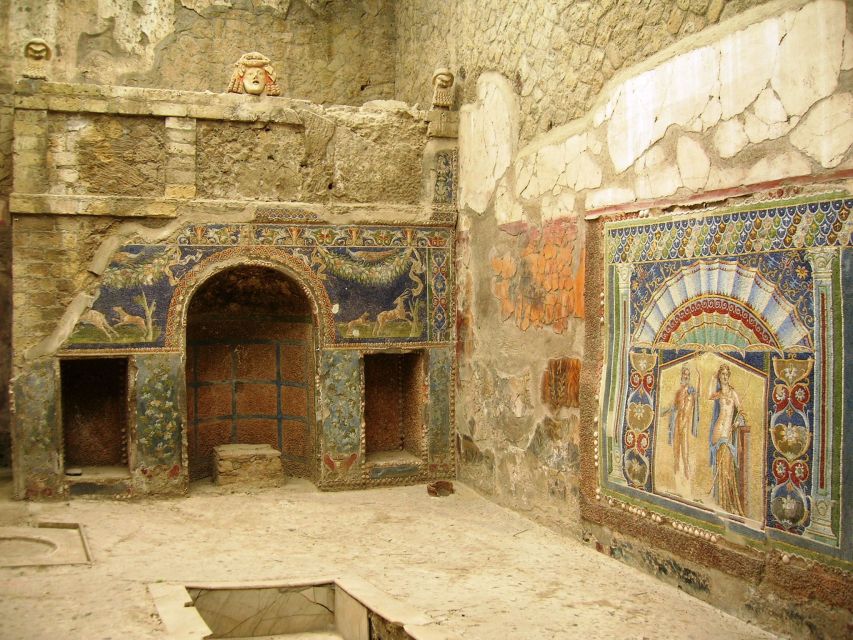
The House of Neptune and Amphitrite is one of the visual high points of the visit. Its name refers to the famous Neptune and Amphitrite decoration, and the house helps show how wealthy residents used mosaics and ornament to shape their rooms.
This is exactly where the multimedia approach can earn its place. A child may notice bright patterns first, then understand that decoration also communicated taste, money, and status.
The house is worth seeing even if your children are not keen on Roman history. Color, design, and recognizable figures offer a more immediate entry point than dates and political names.
The Black Salon and the Samnite House
The House of the Black Salon, also called the House of the Black Saloon, gives you another look at domestic decoration. Dark walls and painted interiors help show how varied Roman homes could be.
The Samnite House takes the story further back, with an older architectural character than some of the later Roman houses. The guide can use it to show that Herculaneum changed over time rather than appearing all at once.
For children, the important lesson is that an ancient town had layers. Homes were altered, rooms were reused, and families made their own choices about space and decoration.
Wooden partitions, courtyards, and the House of the Deer
The House of the Wooden Partition offers a rare look at a material that usually disappears from ancient sites. A wooden feature makes the town feel less like a stone monument and more like a lived-in home.
The House of the Deer, also called the Home of the Bucks, adds another example of an elegant residence. The House of Bel Cortile offers more domestic space to compare with the other homes along the route.
The House of the Deer and the House of Bel Cortile are especially helpful for children who keep asking where people actually lived. You can compare rooms, courtyards, decoration, and the relationship between the homes and the street.
Gymnasium, forum, and the town’s larger scale
The gymnasium shows that the town had space for physical activity and organized public life. Along with the forum, it broadens the picture beyond individual households.
A two-hour visit cannot give every building equal attention. The guide will need to select the details that best hold your children’s attention, and the private format lets that selection fit your family.
If your children are energetic, these broader spaces may offer a welcome change from close study of painted walls and small rooms. If they prefer detail, the guide can use a tablet or reconstruction to add a clearer picture of how the space functioned.
Marina Gate, Marcus Nonius Balbus, and the beach
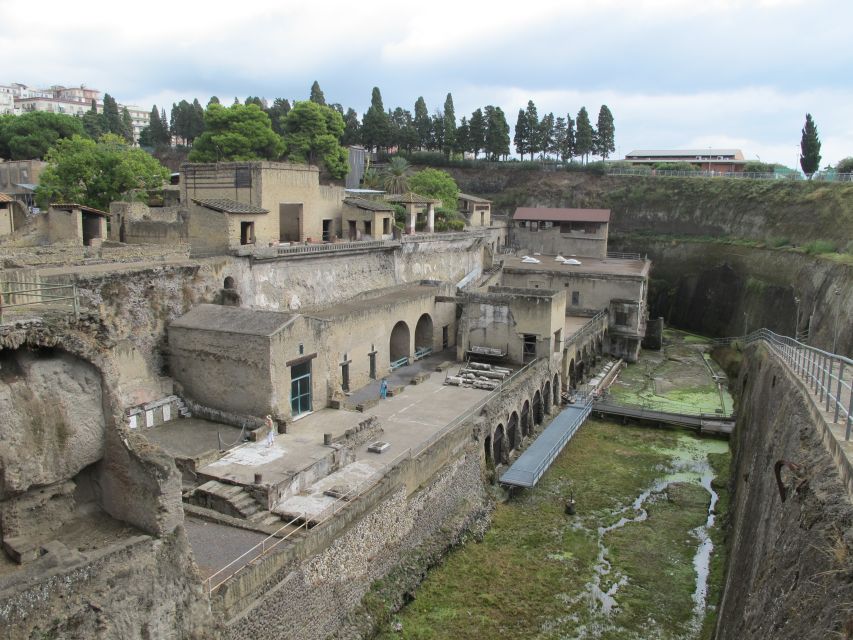
The route reaches the Marina Gate terrace of Marcus Nonius Balbus and the beach below. This is one of the most powerful parts of the visit because it connects the town to the eruption’s final moments.
Hundreds of skeletons were found on the beach, where people had gathered while seeking escape or shelter. The guide must handle this subject with care, particularly with younger children, but the location gives the disaster a human scale that no textbook can match.
The shoreline also provides a clear ending to the story. You begin among streets and homes, then reach the edge of town and see how the eruption affected the people who lived there.
What $206.75 per person gets you
The listed price is $206.75 per person. That is a substantial cost, especially for a family, so the value depends on how much help you want with interpretation and pacing.
The price includes a private group, a certified local guide specializing in children, the two-hour guided visit, and the 16 euro Herculaneum entrance fee. It also includes skip-the-ticket-line access. Meals and transportation are extra.
You are paying less for transport or a long full-day excursion and more for focused guidance inside the ruins. If your children would lose interest without a strong storyteller, the format can make the site far more usable.
For adults who already know Herculaneum well, the price may feel high for two hours. For families who want the guide to adapt explanations and use visual tools, the private structure has a clearer benefit.
Timing, access, and practical limits
The activity lasts two hours, with starting times based on availability. That is a reasonable length for children, but it also means you should not expect to cover every corner in detail.
The tour ends back at the same meeting point on Via dei Papiri Ercolanesi. There is no included transportation, and meals are not provided.
The booking information says skip-the-ticket-line access is available. It also says wheelchair access is available in one section, while another note says the tour is not suitable for wheelchair users. Because those statements conflict, contact the operator before reserving if anyone in your group uses a wheelchair.
Cancellation is free up to 24 hours before the activity for a full refund. You can also reserve and pay later, which helps if your Naples schedule is still changing.
On the first Sunday of each month, admission is free, but tickets cannot be reserved in advance and entry is not guaranteed. That makes the paid tour’s included admission and reserved arrangement more useful on that day, though you should compare the cost carefully.
Who should book this Herculaneum tour
I would choose this tour for families with children who need stories, pictures, and interaction to stay engaged. It is also a good fit if you want a private guide who can adjust the level of detail instead of delivering the same talk to a large group.
It suits families who value houses, shops, food, baths, and ordinary life as much as famous monuments. The route includes enough variety to keep changing the subject: one moment you are looking at a restaurant counter, and the next you are discussing a temple or a wealthy home.
I would think twice if your family wants a leisurely, all-day archaeological study. Two hours is focused and manageable, but it leaves little room for lingering at every house.
Should you book it?
Book this tour if your children are the main reason for visiting Herculaneum and you want the site explained at their level. The strongest features are the private group, child-focused guide, visual materials, and mix of daily life with the moving shoreline story.
Skip it if you already have a good plan for explaining the ruins yourself or if you want transportation from Naples included. Before booking, confirm the starting time, meeting point, and wheelchair arrangements. For the right family, this is a practical way to turn a difficult ancient site into a walk through a real Roman neighborhood.
FAQ
How long does the Herculaneum tour last?
The guided visit lasts two hours. Starting times depend on availability.
Where does the tour begin?
Meet the guide at the Herculaneum ruins ticket office at Via dei Papiri Ercolanesi, 21. The guide will hold a sign with your name.
Does the tour include transportation from Naples?
No. Transportation is not included. You must make your own way to the meeting point.
Is the Herculaneum entrance fee included?
Yes. Herculaneum admission is included, listed as 16 euros per person.
What languages are available?
The live guide can conduct the tour in English or Italian.
Is this a private tour?
Yes. The activity is for a private group, with a local certified guide specialized in tours with children.
Can I cancel for a refund?
You can cancel up to 24 hours in advance for a full refund. The tour also offers a reserve-now, pay-later option.
Just added around Naples
- Naples: Guided Walking Tour★ 4.7 · 63 reviews
- Wine tasting in the Vesuvius National Park★ 3.5 · 4 reviews
- Walking-tour of Naples hystorical Centre★ 4.4 · 4 reviews
- Naples: Pompeii and Vesuvius Skip-the-Line Day Trip★ 3.8 · 32 reviews
- Visit the Museum MANN with a professional guide★ 5.0 · 3 reviews
- Vesuvius – Herculaneum – Pompeii Excavations Tour★ 4.2 · 9 reviews
- Pompeii: Vesuvius at Sunset★ 3.5 · 31 reviews
- Vesuvius and Herculaneum from Naples★ 3.7 · 29 reviews
Herculaneum Tours from Naples, compared.
Pompeii and Herculaneum Small Group Tour with an Archaeologist
Read our review →
Herculaneum Small Group Tour and Ticket With an Archaeologist
Read our review →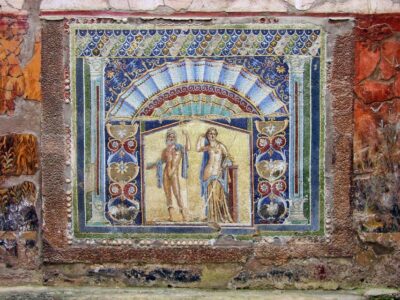
Pompeii & Herculaneum with Archaeologist Guide
Read our review →
Pompeii, Herculaneum, & Vesuvius Full-Day Tour
Read our review →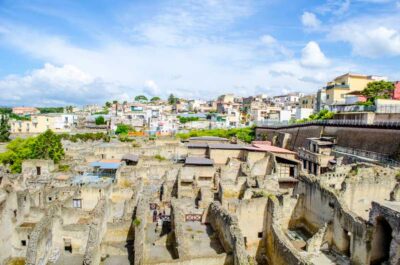
Herculaneum Entry Ticket with Optional Audio Guide
Read our review →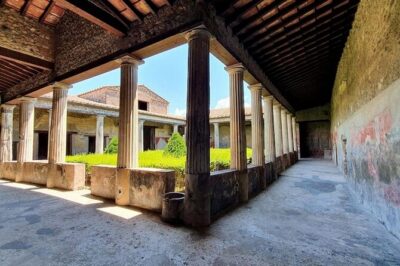
Day Trip of Pompeii, Herculaneum and Vesuvius from Naples
Read our review →Browse the lists this tour appears in