
Reviewed · MUSEUMS
Naples: Capodimonte Museum 2-Hour Guided Private Tour
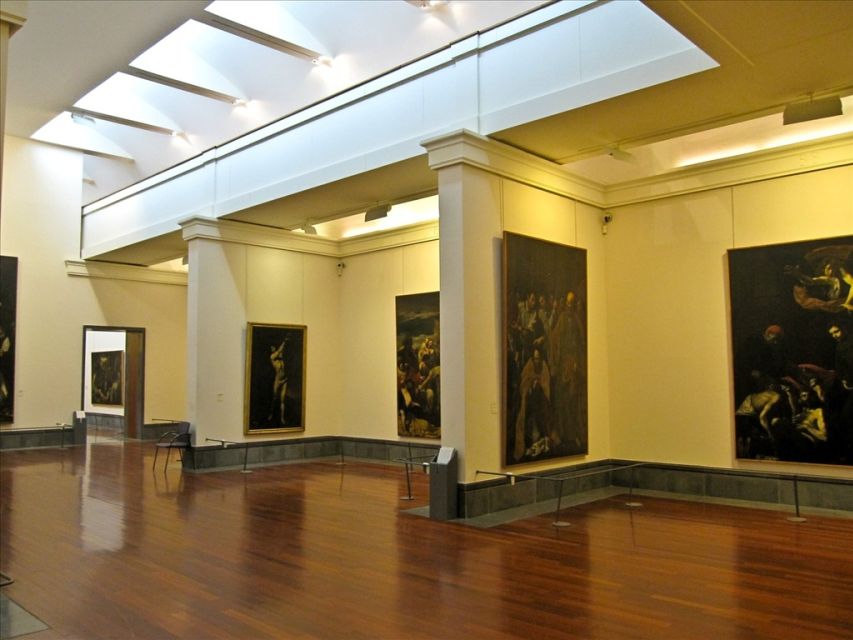
Capodimonte Museum gives you something unusual in Naples: major Italian paintings inside a former royal hunting lodge, high above the city. In two hours, a private guide leads you through the Farnese and Bourbon collections, then adds royal apartments, porcelain, and a little modern art.
I like the private format, which lets you ask questions instead of keeping pace with a large group. I also like the sharp mix of paintings and palace life, from Titian and Botticelli to 18th-century furniture and majolica. The main consideration is time: two hours is enough for the highlights, not every room.
The guides can make a real difference here. Lorenzo, in particular, is praised for connecting paintings to Naples, ancient history, and the Bourbon family while giving detailed answers. One practical wrinkle needs attention: the activity is described as wheelchair accessible in one place and not suitable for wheelchair users in another, so confirm access before booking.
Key points at a glance

- Farnese masterpieces: See major works by Titian, Botticelli, Bellini, Parmigianino, Correggio, and Brueghel.
- A former royal hunting lodge: Visit the Bourbon palace and its old apartments, not just a standard gallery.
- Sacred art with context: Carracci, Lotto, Titian, Masaccio, and El Greco give the tour a strong religious-art focus.
- Private two-hour guide: Ask questions and adjust the conversation to your interests instead of following a large group.
- Royal porcelain and majolica: The decorative arts add color and daily-life detail to the famous paintings.
- A modern-art finish: The third floor brings in significant artists from the international contemporary scene.
Why Capodimonte deserves a place in your Naples plan
Capodimonte is not a quick stop beside the historic center. It is a museum in a grand Bourbon palace, and that setting shapes the visit. You are not simply moving from one white-walled gallery to the next. You are seeing royal rooms, old furnishings, porcelain, and paintings gathered by powerful families.
The museum is the main home of Neapolitan painting and decorative art, while also holding major Italian and European works. That combination gives the tour a wider reach than its name might suggest. You get local context, court culture, religious painting, and celebrated artists from outside Naples.
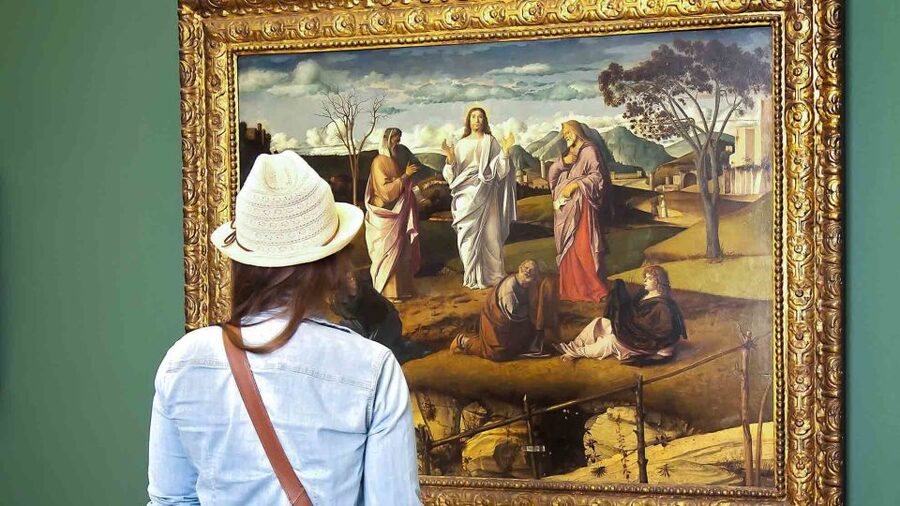
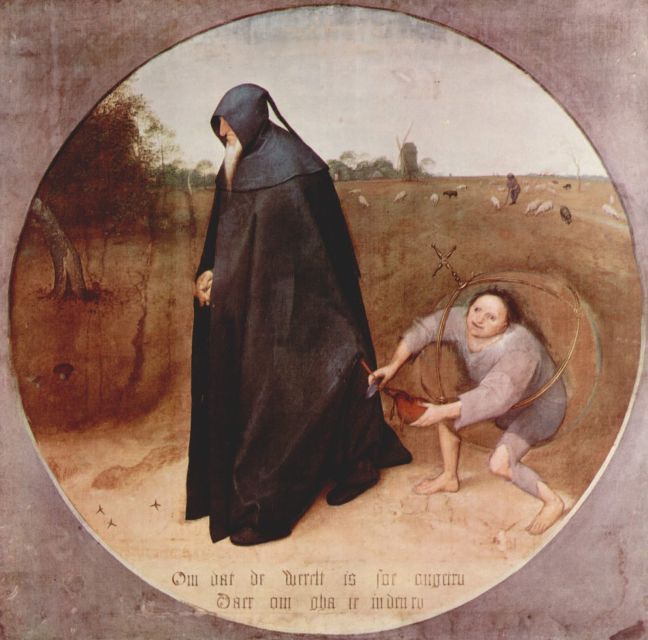
The Farnese collection is the main reason to book a guide. Its works include Titian, Botticelli, Bellini, Parmigianino, Correggio, and Brueghel. A short visit can easily become a procession of famous names, but a good guide helps you understand why those works were collected together and how they fit into Italian art.
I would not approach Capodimonte as a museum you can fully absorb in one rushed pass. The collection is broad, and two hours forces choices. That is not a flaw if you want a well-planned introduction. It is a limitation if you hope to inspect every room or spend long periods with individual paintings.
More museums and sites in Naples:
- Naples: National Archaeological Museum Ticket & Audio App
★ 4.4 · 617 reviews - Naples: National Archaeological Museum of Naples Guided Tour
★ 4.8 · 498 reviews - Naples: National Archaeological Museum Tour & Digital Guide
★ 4.2 · 177 reviews
Meeting at Porta Grande
Your tour begins at the museum entrance called Porta Grande. The guide holds a sign with your name, which keeps the meeting simple, especially if you are arriving in an unfamiliar part of Naples.
The activity ends back at the same meeting point. That matters when planning the rest of your day. You are not being dropped at a second site, and you can arrange your next stop from the museum rather than guessing where the tour will finish.
Starting times vary, so check availability before building your Naples schedule. The museum closes on Wednesdays, an easy detail to miss when fitting the visit between Pompeii, the historic center, and other sights.
The tour is offered in English, Italian, French, Spanish, or German. A private group gives you a better chance to ask for extra explanation about a particular artist, collection, or room. If your group has mixed interests, tell the guide early. One person may want painting technique, another may care more about Bourbon life and palace objects.
The Farnese collection and its famous names

The Farnese collection is the heart of this experience. The family assembled art on a scale that makes Capodimonte one of Southern Italy’s most important museums. You will see works associated with Tiziano, Botticelli, Bellini, Parmigianino, Correggio, and Brueghel.
A list of artists alone does not tell you how to use your time. With a guide, you can focus on the works that best match your interests while still getting the collection’s larger story. If you care about Renaissance painting, the Farnese rooms are the main event. If you prefer social history, ask how collecting shaped the palace and the Bourbon court.
The museum’s importance also comes from contrast. Paintings by celebrated Italian masters share the visit with works from Northern Europe and with Neapolitan art. That variety helps you see that Naples was not an isolated artistic island. The city was tied to wider currents in European culture.
The short tour should not be treated as a lecture listing one artist after another. The best use of the guide is to connect selected works to one another. A guide such as Lorenzo has been praised for linking art to ancient history, Naples, and the Bourbon family, which is exactly the kind of context that helps a large museum make sense.
Sacred paintings by Carracci, Lotto, Titian, and Masaccio

Religious art takes up an important part of the visit. You can see sacred paintings by Carracci, Lotto, and Titian, along with Masaccio’s depiction of the Crucifixion and Carracci’s Mystic Marriage of St. Catherine.
These works reward explanation. Without context, a religious painting can look like another solemn scene in a long gallery. With a guide, you can ask about the figures, symbols, composition, and the reason a work mattered to the people who commissioned or collected it.
The Carracci works offer a useful point of focus. The Mystic Marriage of St. Catherine gives the tour a chance to discuss religious subject matter alongside style and emotion. Masaccio’s Crucifixion adds an earlier landmark to the route, while Titian shows the range and lasting importance of Venetian painting.
You will also encounter El Greco and drawings by Michelangelo. The Michelangelo drawings are a reminder that the museum is not only about finished altarpieces and grand canvases. Works on paper can show planning, line, and the artist’s hand in a more direct way.
I would ask your guide to slow down at the drawings if that is your interest. A two-hour route can tempt everyone to hurry toward the largest paintings, but the smaller works may be among the most rewarding when you want to see how an artist thought through an image.
A few more Naples outings worth a look
- Naples Archaeological Museum 2-Hour Guided Private Tour
★ 5.0 · 51 reviews - Naples: 2-Hour Walking Tour w/ Food Tasting Experience
★ 4.4 · 15 reviews - 2-Hour Authentic Italian Pizza Making Class in Naples
★ 4.5 · 14 reviews - Herculaneum Private Walking Guided Tour 2 hours
★ 5.0 · 10 reviews
The Bourbon palace and old apartments
The museum occupies the Bourbon Palace of Capodimonte, once used by the kings of the Two Sicilies as a summer residence and hunting lodge. This setting gives the visit a second subject: not only what the court collected, but how the court lived and displayed its possessions.
The old apartments contain 18th-century furniture and royal decorative objects. These rooms help break up the parade of paintings. You can look at furniture, room design, and objects made for use or display, then return to the art with a clearer sense of the world around the collection.
I like this part because it gives the museum a human scale. A painting tells you about an artist and a subject. A palace room also tells you about taste, status, ceremony, and daily surroundings. The two-hour route does not turn the apartments into a separate palace tour, but it gives you enough to understand their role.
The royal porcelain and majolica are another strong feature. If you usually skip decorative arts, this is a good place to reconsider. Porcelain can seem secondary beside Titian or Botticelli, yet it reveals court fashion and craftsmanship in a way a religious canvas cannot.
Do not expect every palace room or object to receive equal attention. The guide must balance the apartments with the painting galleries. If royal interiors are your main reason for visiting, say so at the start and ask how much time can be given to them.
The third floor and contemporary art
The third floor brings the visit into more recent times, with a growing collection of contemporary art by significant artists from the international scene. This section changes the mood after the Renaissance, religious paintings, and Bourbon interiors.
It is useful because Capodimonte is not frozen in the past. The modern collection shows that the museum continues to add another chapter to its story. At the same time, the third floor may not be the part you care about most if your schedule is tight.
Your guide will take you through the main sections, but two hours requires a practical decision. You may prefer to spend more time with the Farnese works and royal apartments, or you may want the contrast of modern art. A private tour gives you a better chance to express that preference.
I would treat the contemporary galleries as an optional change of pace rather than the main reason to book. They add breadth, but the strongest draw for most people will be the older Italian and European art, especially the Farnese collection.
What two hours really covers
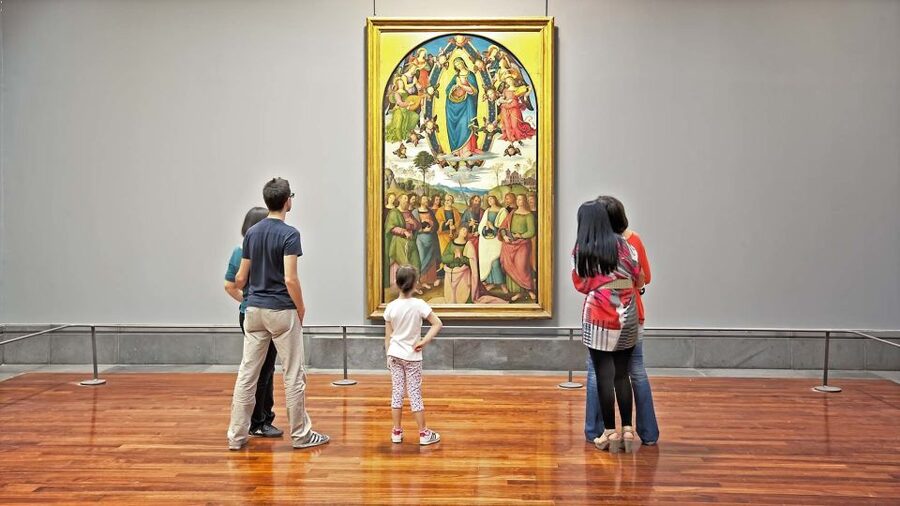
Two hours is a sensible length for a first visit. It is long enough to see the principal sections with a guide and short enough to fit into a busy Naples itinerary. You can leave with a clear sense of the museum without spending an entire day indoors.
The tradeoff is pace. You will not have unlimited time to stand before every Botticelli, Titian, or Michelangelo drawing. If you like to read every label or sketch in a gallery, plan to return on your own if your schedule allows.
The private format adds value here. At $195.42 per person, the cost is not low, especially for a two-hour activity. The price makes more sense for people who want focused interpretation, a language-specific guide, and the ability to ask questions throughout the visit.
Skip-the-line admission is included. That saves you from spending part of your limited museum time dealing with the ticket queue, though it does not turn two hours into a full-day visit. The real value is the combination of entry and personal guidance.
A small group with serious interest in art will likely get more from the price than a large family group looking for a casual sightseeing stop. If you are happy to wander independently, buying admission alone may be better value. If you want the museum explained in a clear route, the private fee is easier to justify.
Guides who connect art to Naples
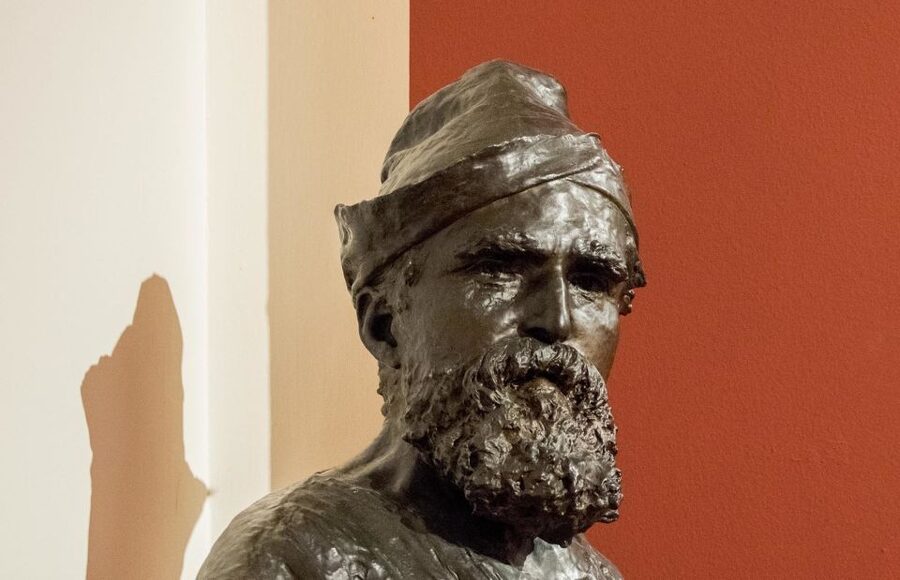
The most praised quality of this experience is the guide’s command of art and history. The strongest feedback describes a guide who could select important works, explain their meaning, and connect them to other collections and wider history.
Lorenzo is specifically praised for giving an overview of Naples, the museum, and the Bourbon family before moving through the major artworks. He also answered detailed questions during the two-hour visit. That tells you what to look for from this tour: not just names and dates, but a conversation that links the collection to the city.
Guide quality can vary by assignment, so Lorenzo may not be the person leading every departure. Still, the language options and private format give you a solid basis for requesting a guide who can speak at the level your group needs.
I would prepare two or three questions before you arrive. Ask about the Farnese family, the Bourbon palace, or a particular artist you want to understand. A private tour is most useful when you use the guide as a resource rather than simply following the route in silence.
Who should book this Capodimonte tour?
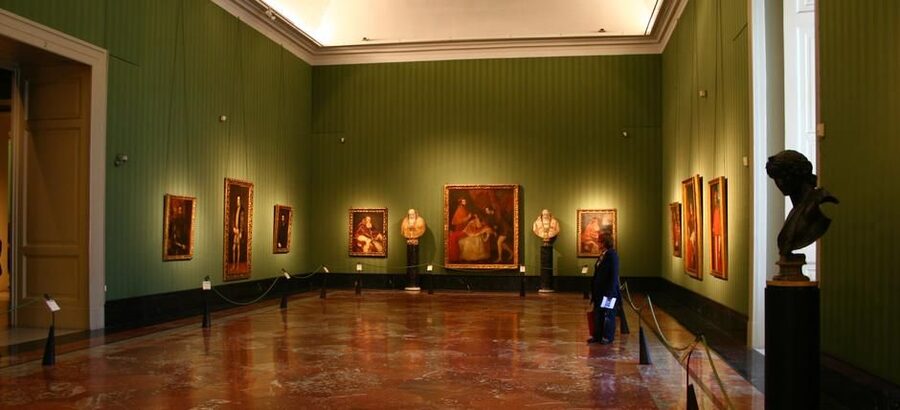
This experience suits you if you want the major works explained in a compact visit. It is especially useful for a first visit to Naples, an art-focused trip, or a group with different levels of museum experience.
It also works well if you find large museums tiring or confusing. The guide selects the key sections, puts the paintings in context, and helps you avoid spending half your visit wondering which rooms matter most.
Families and mixed-interest groups may appreciate the palace rooms, furniture, porcelain, and modern art alongside the major paintings. There is enough variety to keep the visit from becoming a two-hour march through religious canvases.
You may want to skip it if you prefer complete independence, need a very slow pace, or have little interest in art and palace interiors. The price is high for a short tour, and the museum’s location means you should plan the visit as part of your day rather than treat it as an accidental stop.
The accessibility information needs special care. One part of the activity details says it is wheelchair accessible, while another says it is not suitable for wheelchair users. Confirm the current conditions directly before reserving, since the supplied information does not resolve the conflict.
Booking advice and final verdict
Book this tour if you want Capodimonte to make sense rather than simply seeing a famous painting or two. The private guide, skip-the-line admission, and focused route give you a useful introduction to the Farnese and Bourbon collections.
I would choose it for an art-minded couple, a small family group, or anyone who wants historical context without committing an entire day. I would first compare the cost with independent admission if you already know Renaissance art well and prefer to set your own pace.
The best reason to book is the guide’s role in connecting paintings, Naples, ancient history, and Bourbon power. The main drawback is the short length compared with the size of the museum, plus the relatively high per-person price.
For most first-time visitors who want a clear, personal introduction, this is a strong two-hour choice. Just confirm the day, language, meeting point, and wheelchair arrangements before paying.
FAQ
How long is the Capodimonte Museum tour?
The tour lasts two hours. Starting times vary, so check availability when choosing your date.
Where do I meet the guide?
Meet the guide at Porta Grande, the entrance of Capodimonte Museum. The guide will hold a sign with your name.
Which languages are available?
The live guide can conduct the tour in English, Italian, French, Spanish, or German.
Is admission included?
Yes. Skip-the-line admission fees and the guide are included in the activity price.
Is Capodimonte Museum open every day?
No. The museum is closed on Wednesdays.
Is the tour wheelchair accessible?
The provided information is inconsistent. One section describes the activity as wheelchair accessible, while another says it is not suitable for wheelchair users. Confirm access arrangements before booking.
Just added around Naples
- Naples: Guided Walking Tour★ 4.7 · 63 reviews
- Wine tasting in the Vesuvius National Park★ 3.5 · 4 reviews
- Naples: Pompeii and Vesuvius Skip-the-Line Day Trip★ 3.8 · 32 reviews
- Visit the Museum MANN with a professional guide★ 5.0 · 3 reviews
- Walking-tour of Naples hystorical Centre★ 4.4 · 4 reviews
- Vesuvius – Herculaneum – Pompeii Excavations Tour★ 4.2 · 9 reviews
- Pompeii: Vesuvius at Sunset★ 3.5 · 31 reviews
- Vesuvius and Herculaneum from Naples★ 3.7 · 29 reviews
Museums, compared.
National Archaeological Museum Ticket & Audio App
Read our review →
National Archaeological Museum of Naples Guided Tour
Read our review →
National Archaeological Museum Tour & Digital Guide
Read our review →


Sant’Aspreno ai Crociferi: Church & Jago Museum Guided Tour
Read our review →
Skip the Line: National Archaeological Museum of Naples Entry Ticket
Read our review →
Browse the lists this tour appears in