
Reviewed · HERCULANEUM TOURS FROM NAPLES
Private Walking Tour through the Historical City of Herculaneum
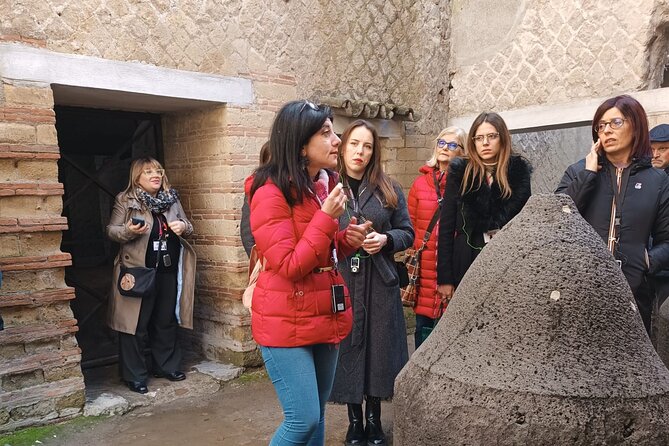
Herculaneum is the ancient Roman town where everyday details survived with startling clarity: wooden furniture, painted walls, mosaics, jewelry, plumbing, and even a charred boat. A private guide helps you notice what you would likely walk past, then explains how this seaside town differed from Pompeii.
I like the private format, which lets you stop for questions and adjust the pace for children, older relatives, or anyone with limited walking ability. I also like the route through the best-known houses, including the Neptune and Amphitrite mosaic and the House of the Deer.
The main drawback is the price. At $102.12 per person, plus the separate €16 Archaeological Park entrance fee, this costs much more than entering alone. The two-hour visit is also focused and efficient rather than leisurely, especially if you want time in the museum.
Key points to know before you book
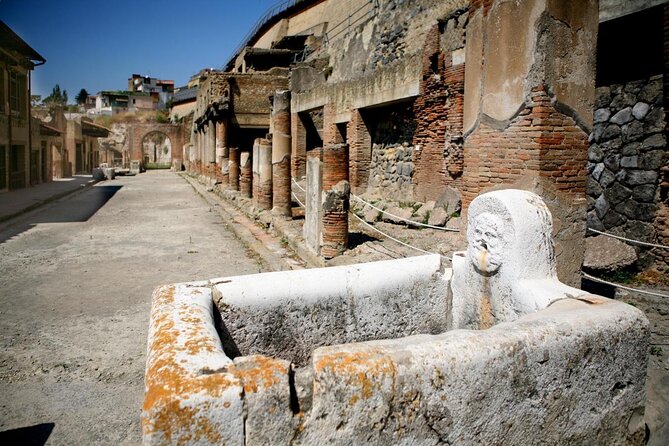
- See Herculaneum’s best-preserved houses: The route includes the House of the Wooden Partition, House of Neptune and Amphitrite, House of the Deer, and Samnite House.
- Expect a private English-language visit: Only your own family or friends join the tour, with guides such as Martina, Carmine, Francesca, Annalisa, and Alessandro.
- Plan for about two hours: The route moves through nine stops, with most visits lasting 10 to 15 minutes.
- Bring the €16 entrance fee: Park admission is not included, though admission is free for visitors under 18 with an identifying document.
- Look for small details: Charred furniture, painted plaster, stone jars, drainage, jewelry, skeletons, statues, and mosaics help turn ruins into a lived-in town.
- Wear practical clothing: Sunglasses, a hat, comfortable shoes, and light clothing are sensible, especially on a hot day.
Why Herculaneum rewards a private guide
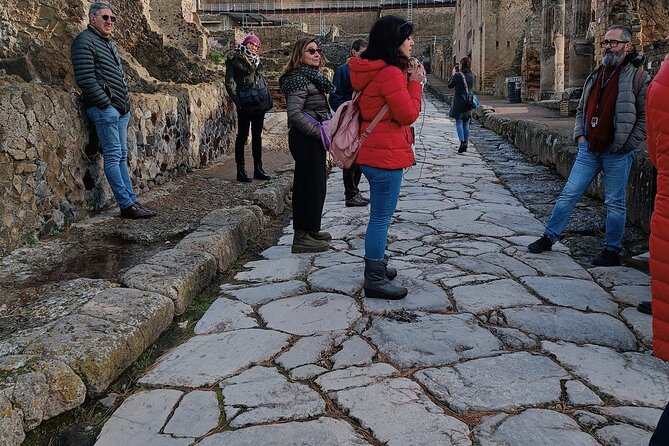
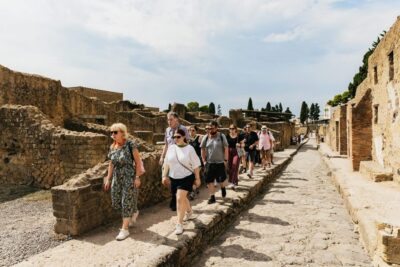
Pompeii gets most of the attention, but Herculaneum offers a more compact and intimate look at Roman life. The buried town is smaller, and much of it remains underground, yet the excavated streets contain an unusually high number of preserved homes.
That preservation changes the experience. At many ancient sites, you see foundations and try to imagine the walls. Here, you can often see painted rooms, marble decoration, mosaics, doorways, wooden fittings, and traces of how a Roman home was used.
A guide is especially useful because the remains are not always self-explanatory. The House of Neptune and Amphitrite may look like another courtyard until someone points out the colorful wall mosaic. A bath complex becomes easier to understand when you know which room served as a changing area and which held warm water.
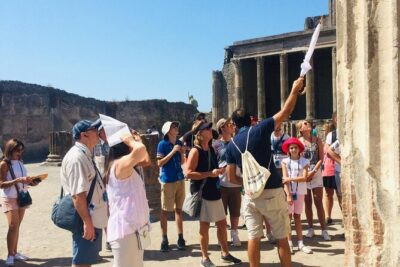
The private setup also changes the rhythm. You can ask why a room mattered, pause over a detail, or move on when a particular subject does not interest you. Guides Martina, Carmine, Francesca, Annalisa, Alessandro, Ernesto, Anna, and others are praised for clear English, friendly explanations, and patience with questions.
This is not a silent walk through ruins. Expect a story-led visit, with comparisons between Herculaneum and Pompeii and explanations of how the eruption affected each town. Carmine, in particular, has been noted for connecting the two sites and placing the eruption within the wider Roman world.
More Herculaneum tours:
- Herculaneum: Skip-the-Line Guided Tour with Archaeologist
★ 4.8 · 3,439 reviews - Herculaneum Small Group Tour and Ticket With an Archaeologist
★ 5.0 · 994 reviews - Herculaneum: Skip-the-Line Entry Ticket with Audio Guide
★ 4.3 · 870 reviews
Starting at the Archaeological Park entrance
The meeting point is the Archaeological Park of Herculaneum at Corso Resina 187 in Ercolano. The tour ends back at the same meeting point, which makes the plan simple if you are continuing by taxi or public transportation.
You will need to pay the park entrance fee separately. The listed cost is €16 per person, while visitors under 18 can enter free with a valid document. Add this to the tour price when comparing the experience with a self-guided visit or a larger group tour.
Confirmation arrives within 48 hours of booking, subject to availability. Since the experience is booked, on average, 44 days ahead, popular dates may fill early. That matters most if you have a cruise stop, a fixed Naples schedule, or a small window between other plans.
The site is near public transportation. One family used a taxi from Naples and arranged a return pickup, while a guide stayed with them until they were sure they had transport back. That sort of help can be useful if you are visiting from a ship or do not want to work out the return journey on the spot.
The Forum Baths reveal Roman daily life
The first planned stop is the Terme del Foro, or Forum Baths. This is one of the clearest places to understand the Roman bathing routine because the thermal system remains well preserved.
You will see the gym area, changing room, and rooms intended for warm and hot baths. The visit lasts about 15 minutes, enough for your guide to explain the sequence without letting the opening stop take over the whole tour.
The value here is practical rather than grand. The baths show that Roman public life was not just about temples and emperors. Washing, exercise, conversation, and social contact all took place in organized public spaces.
Listen closely to the explanation of how the rooms worked. Without a guide, the surviving walls can be hard to read. With one, the bath complex becomes a working building rather than a collection of stones.
Charred wood brings the houses to life
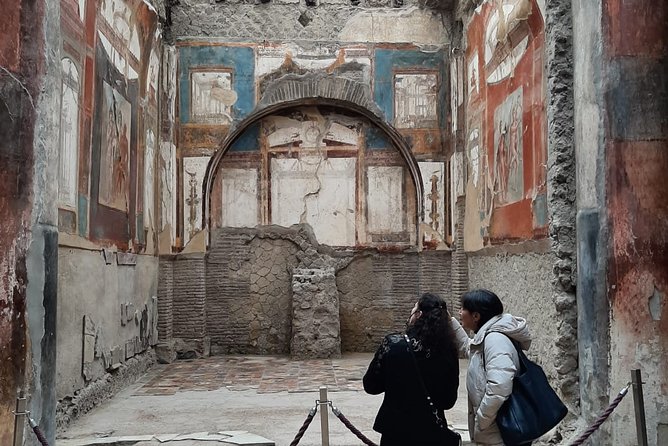
The House of the Wooden Partition, listed as Partem Domus lignea and Casa del Tramezzo di Legno, is one of the strongest stops for seeing how much Herculaneum preserved.
The house is known for charred wooden furniture and fittings. Fire and volcanic material destroyed the wood but also protected it from the usual decay that removes such objects from ancient sites. You may see the remains of a home in a way that feels far more immediate than a typical Roman ruin.
The planned visit lasts about 15 minutes. That is short, but a private guide can focus attention on the surviving wood rather than spending time on less relevant details.
This is also a good place to ask questions about preservation. Herculaneum is not simply Pompeii in miniature. The eruption conditions affected the two towns differently, and the guide can help you understand why wood and household objects survived here.
More ancient sites near Naples:
- Naples: Street Art & History Tour in the Spanish Quarters
★ 4.9 · 540 reviews - Naples: Historic Center and Sansevero Chapel Walking Tour
★ 4.8 · 208 reviews - 360 ° Naples. THE historic center of the city
★ 5.0 · 85 reviews - Naples Walking tour of the Historical Center
★ 5.0 · 75 reviews
Mosaics and marble in three distinctive homes
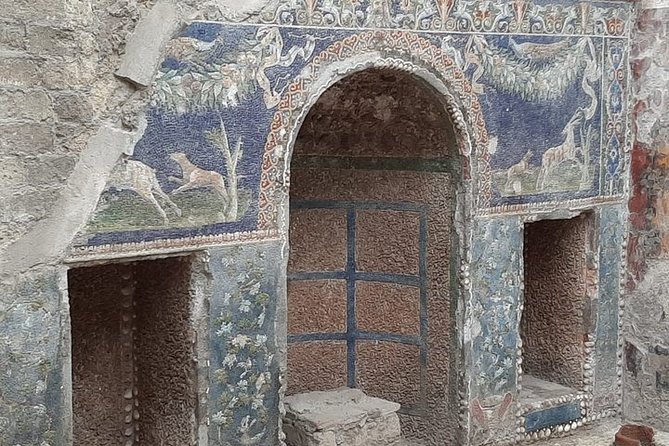
The House of Neptune and Amphitrite contains one of the most attractive mosaics in the Vesuvian sites. The mosaic gives the house its name and provides a strong visual center for the visit.
This stop is scheduled for about 15 minutes. You should have time to study the design, hear the story behind the mythological figures, and understand how decoration helped Roman homeowners display taste and status.
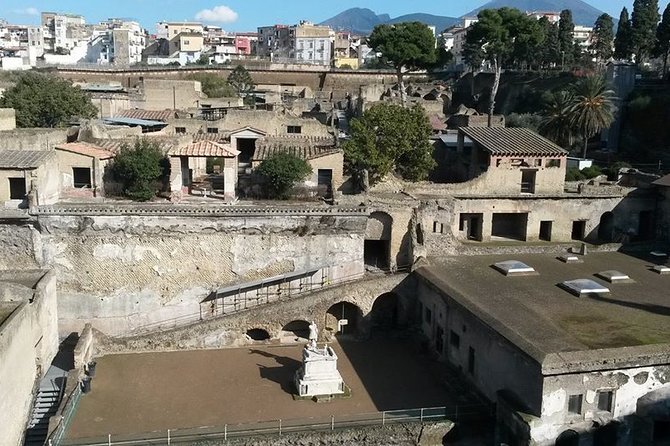
The House of the Deer follows with a different mood. It occupied a panoramic position between the Gulf of Naples and Capri and is filled with polychrome marble. The setting and decoration suggest a home designed for pleasure, display, and views.
The house receives about 10 minutes on the route. That is enough to appreciate the materials, though anyone fascinated by Roman interiors may wish the total tour had more time for this area.
The Samnite House, also visited for about 10 minutes, is among the oldest homes in Herculaneum. Its painted decoration follows the first Pompeian style, making it useful for understanding how Roman interior design changed over time.
Taken together, these three homes give you a helpful comparison. One is remembered for its mosaic, another for marble and its position, and the third for early painted decoration. The itinerary does not treat every building as equal, and that is a strength when you have only two hours.
The ancient boat and the small museum
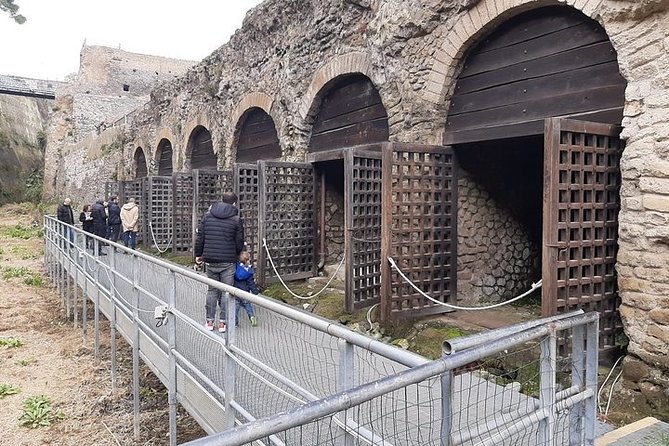
Outside the main archaeological area, the Salone della Barca di Ercolano contains an ancient charred Roman boat along with other finds. The stop lasts about 15 minutes.
The boat adds an important coastal dimension to the visit. Herculaneum was not only a group of inland houses. Its position near the Bay of Naples shaped its identity, and the boat helps connect the town to water, trade, and the people who lived nearby.
The museum is small, so you should not expect a long gallery visit. It is a compact stop with a few memorable objects. Jewelry, everyday items, old stone jars, charred wood furnishings, skeletons, and statues of Hercules may also feature in the explanation.
This is one reason I would choose the guided option over wandering alone if you have limited time. Small museums can be easy to skip, yet a guide can point out the objects that carry the most meaning.
Mythological paintings at the College of the Augustales
The College of the Augustales was a public religious building connected with the worship of the emperor. It is one of the few excavated public temples you can visit in Herculaneum.
The building contains mythological frescoes, and the scheduled stop lasts around 15 minutes. The paintings give the site a different scale after the private homes. You move from household decoration to a public setting where religion and civic identity came together.
This is also a useful point for thinking about the town as a community. The houses show how individuals lived, while the Augustales suggest the public beliefs and institutions that held Roman society together.
A guide can also explain the mythological scenes without turning the visit into a lecture. The best guides on this route are described as enthusiastic and clear, which matters when painted figures and Roman customs are unfamiliar.
The Black Hall and Vitruvian design
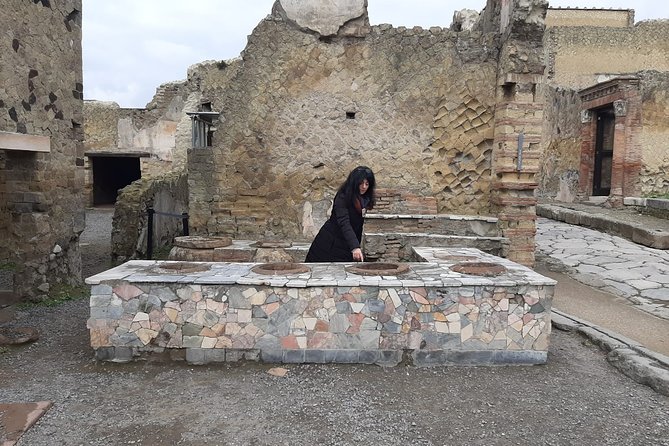
The House of the Black Hall faces one of Herculaneum’s main streets. Its frescoes remain in good condition, and the house follows the Vitruvian model of Roman domestic design.
The stop is planned for about 10 minutes. That may be enough to understand the layout and see the preserved wall paintings, but it is another reason to stay focused. The guide will direct you toward the rooms and details that best explain the house.
The location beside the main street helps you picture the town as an active place rather than a set of isolated villas. Roman homes opened onto streets, received visitors, and used carefully arranged rooms to guide movement and show status.
If you are interested in architecture, ask the guide to explain the Vitruvian arrangement. The private format gives you a better chance to ask that kind of question than a large group tour would.
A final choice at the Antiquarium
The Antiquarium di Ercolano is the last planned stop, and it is optional at the customer’s discretion. The museum contains permanent and temporary displays with jewelry, everyday objects, and charred wooden furnishings.
That flexibility is useful. If you have already seen enough museum material, you can finish after the archaeological park. If you want objects rather than buildings, the Antiquarium gives you a chance to look at small finds that help fill in daily life.
Keep an eye on the clock. The whole experience is about two hours, and the listed stops already account for the available time. The museum visit is best treated as an added choice, not a promise of a long, unhurried gallery session.
What the private format does well
The private group size is the clearest reason to pay more. You are not sharing the guide with strangers, so the route can respond to your interests and physical needs.
This worked well for families with teenagers, older parents, and people using strollers. Guides have adjusted the pace for limited mobility, waited patiently, and helped families keep moving without turning the visit into a race.
You also get more room for questions. Several guides, including Martina, Carmine, Francesca, Annalisa, and Alessandro, are praised for making the past understandable and answering questions in strong English. That matters at Herculaneum, where context often makes the difference between a pretty wall and a meaningful one.
The private structure also helps if you care about one subject. You can spend more time on mosaics, domestic life, Roman engineering, the eruption, or the contrast with Pompeii. You should still tell the guide what interests you at the start, since the two-hour schedule cannot cover every corner in equal depth.
The tradeoffs: price, pace, and weather
The cost is the main question. At $102.12 per person, plus €16 park admission, this is a premium visit. I think the price makes sense for a family or small group that values personal attention, has limited time, or wants a guide who can explain the site in English.
It makes less sense if you are happy reading signs, moving at your own pace, or spending half a day inside the park. A private guide saves confusion and adds context, but you are paying for that personal service.
The two-hour length is efficient, not expansive. The scheduled stops range from 10 to 15 minutes, and the route covers a lot. If you want a slow photographic visit or a detailed look at every room, you may want more time beyond the tour.
Weather also matters. Bring sunglasses, a hat, comfortable shoes, and suitable clothing. A guide once brought a water spray to help cool the group on a hot day, but you should still plan for sun and heat. Free cancellation is available until 24 hours before the start time, while later cancellations and changes are not refunded or accepted.
Who should book this Herculaneum tour
I would choose this for a family group, a couple who wants context, or anyone visiting Herculaneum during a tight Naples or cruise schedule. It is particularly useful if you want a clear comparison with Pompeii or need a guide who can adjust the pace.
It also suits people who care about homes and objects rather than only grand monuments. The wooden furniture, mosaics, frescoes, jewelry, plumbing, jars, and boat create a close-up picture of Roman life.
You may prefer a self-guided visit if price matters most, if you want to linger well beyond two hours, or if you already have strong background knowledge about Roman archaeology. The entrance fee is not included, so compare the full cost before booking.
FAQ
How long does the private Herculaneum tour last?
The experience lasts approximately two hours. The planned stops usually take between 10 and 15 minutes each.
What is included in the tour price?
The price includes a licensed guide who is an expert in archaeology, the private tour, and taxes.
Is the Herculaneum entrance ticket included?
No. The Archaeological Park entrance fee is €16 per person. Admission is free for visitors under 18 with a valid document.
Is the tour offered in English?
Yes. The tour is offered in English, and guides including Martina, Carmine, Francesca, Annalisa, and Alessandro have led English-language visits.
Where does the tour begin and end?
It begins at the Archaeological Park of Herculaneum, Corso Resina 187, Ercolano. It ends back at the same meeting point.
Will other people join my group?
No. This is a private activity, so only your own group participates.
Is the Antiquarium included in the route?
The Antiquarium is available at your discretion as part of the planned visit. It contains permanent and temporary displays with jewelry, everyday items, and charred wood furnishings.
Can I cancel for a full refund?
Yes, if you cancel at least 24 hours before the experience start time. Cancellations or changes made less than 24 hours before the start are not refunded or accepted.
Should you book it?
Book this tour if you want Herculaneum to make sense, not just look impressive. The private guide, focused route, and strong attention to homes, mosaics, wood, frescoes, and everyday objects make the two hours count.
I would especially choose it for a first visit, a family group, or a port day when you need a well-shaped itinerary. Just budget for the extra €16 entrance fee, wear good shoes, and understand that this is a brisk introduction rather than a full-day archaeological study.
More Walking Tours in Naples
- Naples: Street Food Walking Tour with Local Guide
★ 4.8 · 4,256 reviews - Naples Spanish Quarters Walking Tour Street Art, Folklore & Sweet
★ 5.0 · 797 reviews - Naples: Old Town Guided Walking Tour
★ 4.8 · 553 reviews - Naples: Panoramic Walking Tour with Funicular
★ 4.8 · 543 reviews
Just added around Naples
- Naples: Guided Walking Tour★ 4.7 · 63 reviews
- Wine tasting in the Vesuvius National Park★ 3.5 · 4 reviews
- Visit the Museum MANN with a professional guide★ 5.0 · 3 reviews
- Walking-tour of Naples hystorical Centre★ 4.4 · 4 reviews
- Naples: Pompeii and Vesuvius Skip-the-Line Day Trip★ 3.8 · 32 reviews
- Vesuvius – Herculaneum – Pompeii Excavations Tour★ 4.2 · 9 reviews
- Pompeii: Vesuvius at Sunset★ 3.5 · 31 reviews
- Vesuvius and Herculaneum from Naples★ 3.7 · 29 reviews
Herculaneum Tours from Naples, compared.
Pompeii and Herculaneum Small Group Tour with an Archaeologist
Read our review →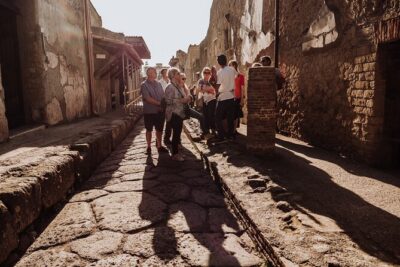
Herculaneum Small Group Tour and Ticket With an Archaeologist
Read our review →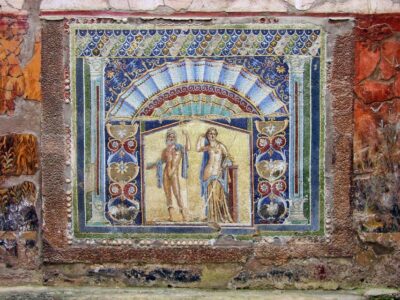
Pompeii & Herculaneum with Archaeologist Guide
Read our review →
Pompeii, Herculaneum, & Vesuvius Full-Day Tour
Read our review →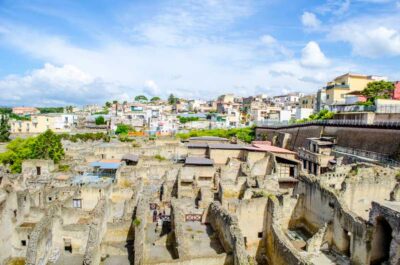
Herculaneum Entry Ticket with Optional Audio Guide
Read our review →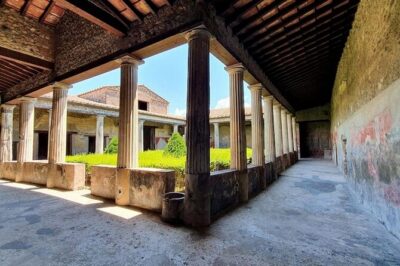
Day Trip of Pompeii, Herculaneum and Vesuvius from Naples
Read our review →Browse the lists this tour appears in