
Reviewed · HERCULANEUM TOURS FROM NAPLES
From Naples: Archeological day to Pompeii and Herculaneum
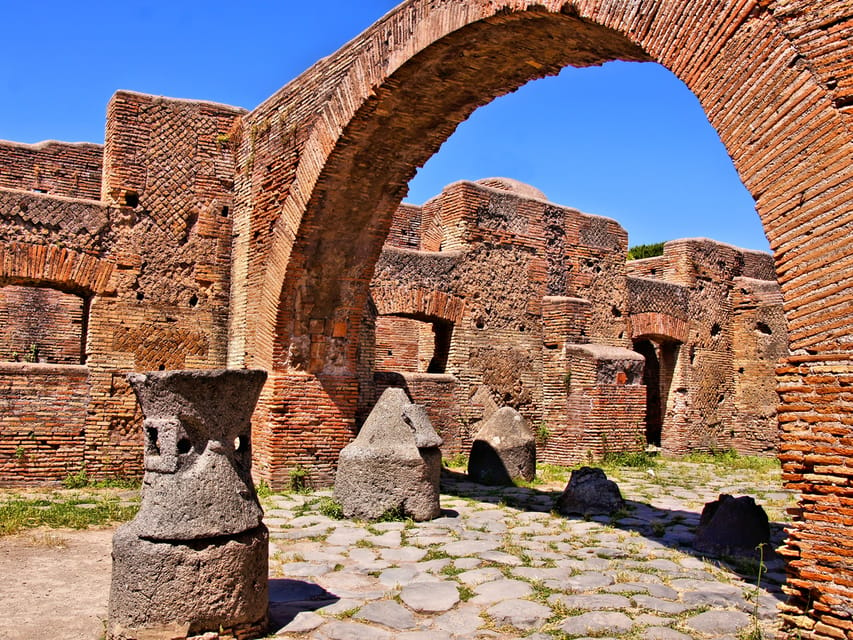
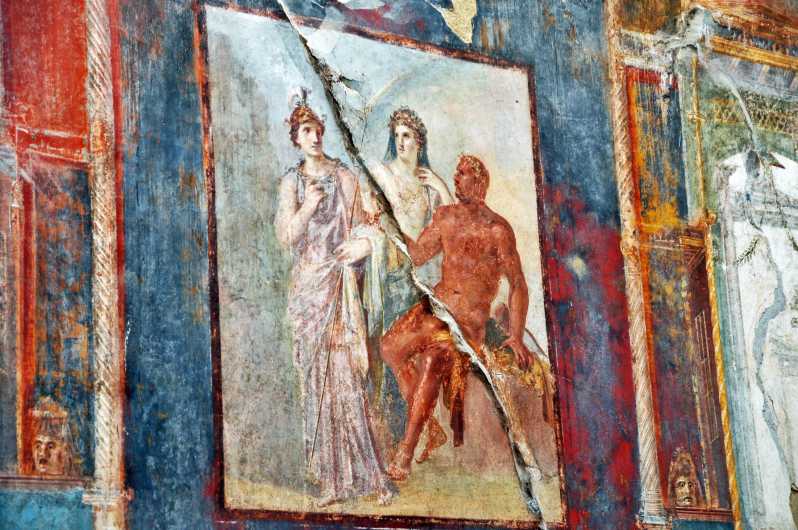
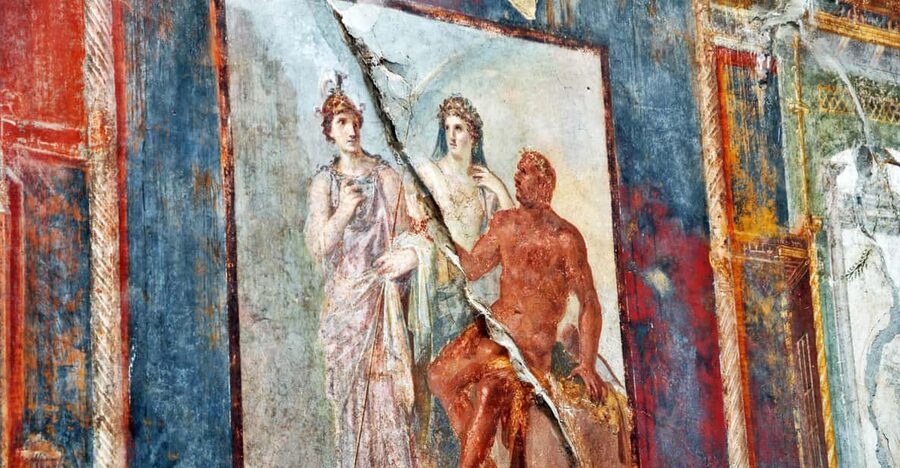
The ash from Vesuvius did something strange and powerful: it sealed two Roman towns in place. On this day trip, you walk through Pompeii and Herculaneum, seeing homes, temples, frescoes, sculptures, food, and the casts or skeletons of people caught in the eruption of 79 AD.
I like the simple bus connection from Naples and the generous time at both sites. I also like having skip-the-line tickets and audio guides included, since these huge ruins make more sense with a map and some direction.
The tradeoff is that this is not a live-guided tour. The audio commentary may feel brief, and the controls can take a little figuring out. You also need a valid ID document to rent the Pompeii audio guide.
Key points to know before booking
- Two major Roman sites in one day: You get 2.5 hours at Herculaneum and 4 hours at Pompeii.
- A practical Naples departure: Meet the Around Vesuvio bus at Via Galileo Ferraris, 40, near the listed map coordinates.
- Skip-the-line admission included: Entry tickets for both archaeological sites are part of the price.
- Self-guided sightseeing: Use digital audio guides rather than following a personal guide.
- Many language choices: Audio is available in Chinese, English, French, German, Hebrew, Italian, Portuguese, Russian, and Spanish.
- Bring your ID: A valid identity document is required to rent the Pompeii audio guide.
Two towns, one volcanic disaster

Pompeii and Herculaneum were both destroyed when Mount Vesuvius erupted in 79 AD, but they do not feel alike. That difference is one of the best reasons to see both in a single day.
Pompeii spreads across a much larger area. Its streets, public buildings, houses, temples, and decorated rooms give you a broad picture of Roman town life. You will need to make choices because four hours sounds generous, but Pompeii can still leave you looking at the map and wondering where the afternoon went.
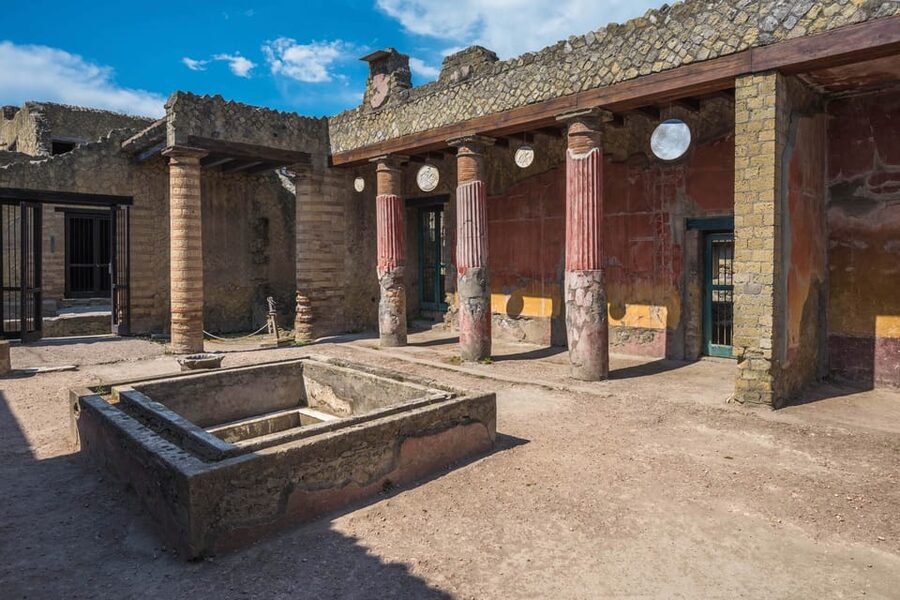
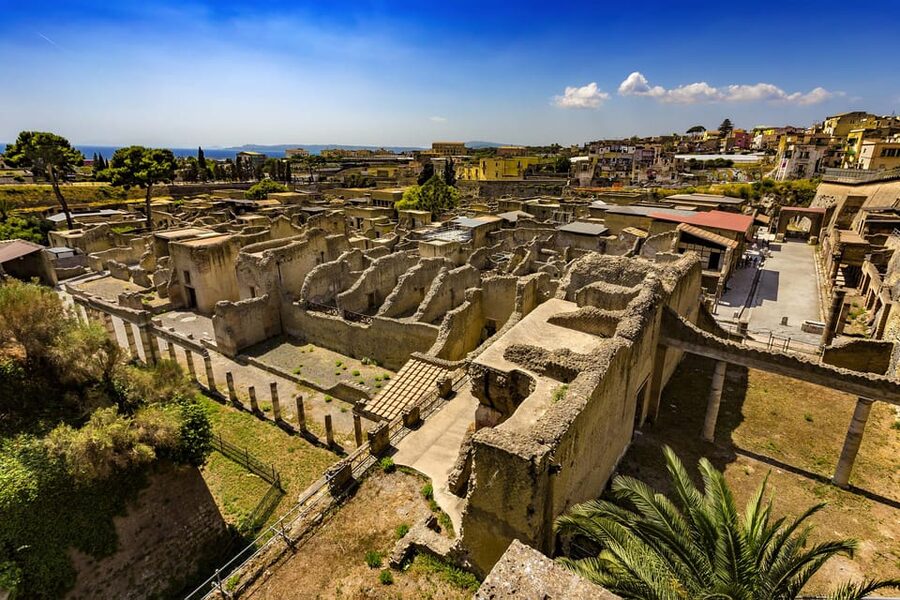
Herculaneum is smaller and more compact. Its preserved homes and details can feel easier to absorb during a 2.5-hour visit. The site gives you a closer look at domestic life, while Pompeii gives you a stronger sense of an entire city.
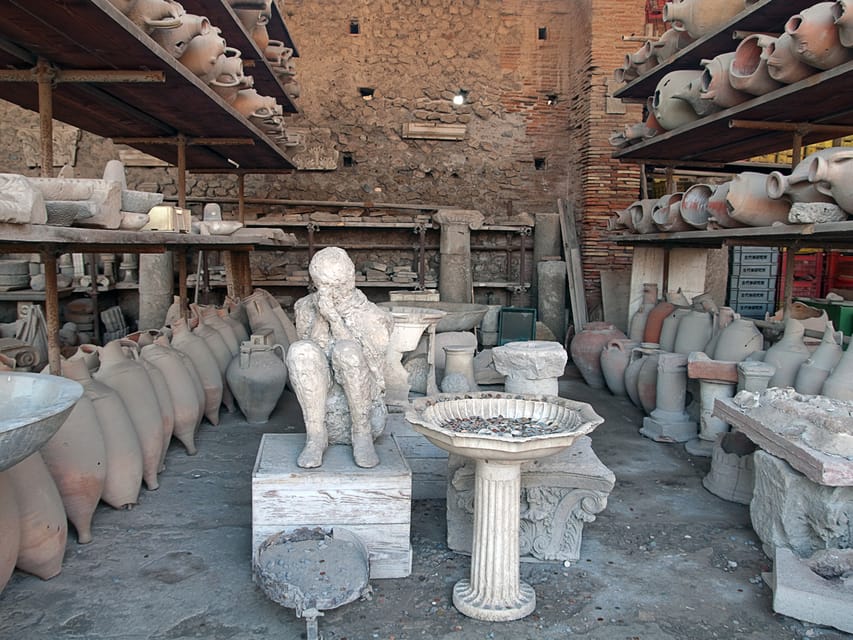
The eruption is the link between them, but the sites tell different parts of the story. Ash preserved walls, decoration, household objects, and even food. You may also see the casts and skeletons of victims, a sobering reminder that these are not simply picturesque ruins.
More Herculaneum tours:
- Herculaneum: Skip-the-Line Guided Tour with Archaeologist
★ 4.8 · 3,439 reviews - Herculaneum Small Group Tour and Ticket With an Archaeologist
★ 5.0 · 994 reviews - Herculaneum: Skip-the-Line Entry Ticket with Audio Guide
★ 4.3 · 870 reviews
Leaving Naples from Via Galileo Ferraris
The day begins at Via Galileo Ferraris, 40. The suggested map coordinates are 40.8505189, 14.2747942, and the bus carries the Around Vesuvio logo.
Take care when finding the meeting point. The location is not presented as a grand sightseeing landmark, and one person found the surrounding neighborhood uncomfortable. I would allow extra time, use the exact coordinates, and look for the marked bus rather than relying on a vague sense of the street.
The first bus ride takes about 40 minutes. This is a useful part of the experience because you do not need to arrange separate train or taxi connections to both archaeological sites. The driver speaks English and Italian, but the sightseeing itself is handled through the audio guides.
That setup suits you if you want independence. You can move at your own pace, pause when something catches your eye, and skip rooms that do not interest you. It is less suitable if you want a historian beside you explaining each building and answering questions as you go.
Herculaneum in 2.5 hours
The first archaeological stop is Ercolano, the modern town associated with ancient Herculaneum. You have about 2.5 hours here, with skip-the-line entry included.
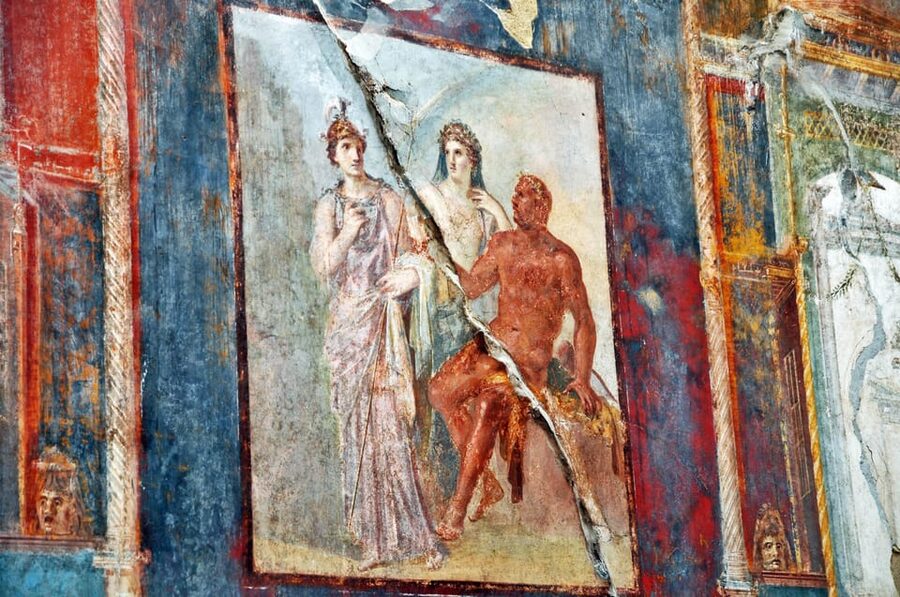
Herculaneum rewards careful looking. The preserved houses, wall decoration, sculptures, and everyday objects help you picture private Roman life rather than only public monuments. The eruption covered the town in material that protected details that often disappear at ancient sites, including household décor and food.
Your digital audio guide helps identify the main features and gives the ruins a timeline. It is available in several languages, including English, French, German, Italian, Spanish, Portuguese, Russian, Chinese, and Hebrew. Since this is a self-guided visit, you should plan to use the map and audio together.
Two and a half hours is enough for a meaningful visit, but it is not a license to inspect every corner. Start by getting oriented, then choose the areas that interest you most. If you stop for every detail, the clock will move quickly.
The lack of a live guide matters more here than it might at a small museum. Some visitors find the audio explanations too short, and the overall experience depends on your willingness to read, listen, and connect the pieces yourself. Still, the included entry and audio guide make this a straightforward way to see Herculaneum without arranging a separate visit.
After Herculaneum, the bus ride to Pompeii takes about 30 minutes. That short transfer gives you a useful pause before tackling the larger site.
Pompeii with four hours to explore

Pompeii is the main event for many people, and the schedule gives you four hours inside the archaeological area. You enter with a skip-the-line ticket, receive a detailed map, and use the audio guide to choose your route.
The map matters. Pompeii is large enough that you can lose your bearings, and modern street signs do not always make the ancient layout easy to follow. Give yourself a few minutes at the start to understand the map rather than rushing straight toward the first building you see.
Here you can walk ancient streets, enter houses and temples, and examine frescoes and sculptures. The interest comes from the ordinary details as much as the grand ones. A preserved room or piece of household décor can tell you more about daily life than a formal monument viewed from a distance.
The audio guide gives you a basic explanation of the site and its finds. Keep your valid ID document with you, since it is required to rent the Pompeii audio guide. The available languages include Chinese, English, French, German, Hebrew, Italian, Portuguese, Russian, and Spanish.
The main weakness is the equipment itself. You may need to press the correct number to hear information about a particular location, and the controls are not always obvious. The explanations can also feel short if you want detailed archaeological interpretation.
I would treat the audio guide as a useful framework, not a full lecture. Use it to understand the major areas, then spend extra time with the rooms and objects that hold your attention. The site is too large to experience perfectly in one visit, so a clear plan helps.
Four hours gives you a solid introduction, but it will not cover every street. You can focus on the best-preserved houses, public buildings, temples, frescoes, sculptures, and areas connected with the eruption. The tour leaves you free to decide how much time to spend at each one.
More ways to see Pompeii:
- From Naples: Pompeii Ruins & Mount Vesuvius Day Tour
★ 4.3 · 11,459 reviews - Naples or Sorrento: Full-Day Pompeii and Mount Vesuvius Tour
★ 4.6 · 4,235 reviews - Pompeii & Mt.Vesuvius Day Tour from Naples with Pizza Lunch
★ 4.0 · 2,901 reviews - From Naples: Pompeii Skip-the-Line Entry Ticket and Tour
★ 4.4 · 2,753 reviews
Why the audio format changes the experience
A personal guide can adjust the pace, explain confusing points, and answer questions. This tour does not offer that. Instead, you receive digital audio support and a map, then explore independently.
That is a good match for you if you prefer freedom. You are not tied to a group moving from one stop to the next, and you can linger over a fresco or move on when a building does not interest you. It also makes the tour easier for people in a group with different interests.
The audio system may frustrate you if you expect a detailed narrative. One practical problem is knowing which number to press for each point. At Pompeii, the map and street layout can also take time to understand.
I suggest downloading or preparing anything required before setting off, then keeping your ID handy for the Pompeii rental. Listen when the audio adds useful context, but do not feel obliged to hear every entry. The ruins themselves deserve your attention.
Is $123.48 a fair price?
The listed price is $123.48 per person. That includes round-trip transportation from Naples, skip-the-line admission to Herculaneum and Pompeii, the Pompeii map, and digital audio guides for both places.
The value is strongest if you want convenience. Buying two site admissions and arranging transport separately would take planning, and the bus removes the need to manage connections between Naples, Herculaneum, and Pompeii. The included skip-the-line access can also save time at busy archaeological entrances.
The price is less attractive if you mainly want a live expert guide. The driver speaks English and Italian, but the site visits are not led by a named archaeologist or historian. Food and drinks are not included, so you need to handle those costs yourself.
You also pay for the ability to see both sites in one long day. That is efficient, but it can be tiring. If you prefer slow sightseeing, a separate full day at each site may suit you better, even though it requires more planning.
The full day at a glance
The timing follows a simple pattern:
- Meet at Via Galileo Ferraris, 40 in Naples.
- Ride about 40 minutes to Herculaneum.
- Explore Herculaneum independently for 2.5 hours.
- Ride about 30 minutes to Pompeii.
- Explore Pompeii independently for 4 hours.
- Ride about 30 minutes back to the Naples meeting point.
The total duration is about 8.5 hours. Starting times vary, so check availability before booking.
The bus returns to the same meeting point where the day begins. That makes the end of the day easy to manage, especially if you do not want to work out a return route after several hours on foot.
Who should book this Pompeii and Herculaneum trip?

I would recommend it to anyone staying in Naples who wants to see both sites without arranging separate transport. It is especially useful for first-time visitors who want a clear, all-day plan and do not mind exploring with an audio guide.
It also suits archaeology fans and anyone who wants to understand the eruption through preserved homes, streets, decoration, food, and human remains. The two sites complement each other well, and the schedule gives you enough time to appreciate the difference.
Families or groups with mixed interests may like the freedom to move at their own pace. No one has to stay beside a guide for every explanation, and you can choose how much audio content to hear.
I would think twice if you need in-depth commentary, personal questions answered, or a slow and relaxed pace. The audio equipment may feel basic, and Pompeii requires some patience with the map and numbered information points.
Cancellation is available up to 24 hours before departure for a full refund, and you can reserve now and pay later. Those terms help if your Naples plans are still shifting.
FAQ
Where does the tour start?
The meeting point is Via Galileo Ferraris, 40 in Naples. The suggested map coordinates are 40.8505189, 14.2747942. Look for the bus with the Around Vesuvio logo.
How long is the full experience?
The day lasts about 8.5 hours. This includes transportation, 2.5 hours at Herculaneum, 4 hours at Pompeii, and the return ride to Naples.
How much time do I get at each archaeological site?
You have approximately 2.5 hours at Herculaneum and 4 hours at Pompeii.
Is transportation included?
Yes. Round-trip bus transportation from Naples is included. The bus ride takes about 40 minutes to Herculaneum, 30 minutes from Herculaneum to Pompeii, and 30 minutes back to Naples.
Is a live guide included?
No. The visits are independent, with digital audio guides and a detailed Pompeii map. The driver speaks English and Italian.
What languages are available for the audio guides?
The audio guides are available in Chinese, English, French, German, Hebrew, Italian, Portuguese, Russian, and Spanish.
Should you book it?
Book this trip if you want the easiest practical way to see both Pompeii and Herculaneum from Naples in one day. The bus, skip-the-line tickets, map, and audio guides cover the basics, and the four-hour Pompeii visit gives you enough time to see far more than a rushed stop.
Skip it if a live guide is essential to your experience. The audio commentary is useful but limited, and the controls may take patience. For an independent visitor who values transport and efficient planning, though, this is a sensible way to meet Vesuvius’s two most important archaeological sites in a single day.
Just added around Naples
- Naples: Guided Walking Tour★ 4.7 · 63 reviews
- Wine tasting in the Vesuvius National Park★ 3.5 · 4 reviews
- Naples: Pompeii and Vesuvius Skip-the-Line Day Trip★ 3.8 · 32 reviews
- Visit the Museum MANN with a professional guide★ 5.0 · 3 reviews
- Walking-tour of Naples hystorical Centre★ 4.4 · 4 reviews
- Vesuvius – Herculaneum – Pompeii Excavations Tour★ 4.2 · 9 reviews
- Pompeii: Vesuvius at Sunset★ 3.5 · 31 reviews
- Vesuvius and Herculaneum from Naples★ 3.7 · 29 reviews
Herculaneum Tours from Naples, compared.
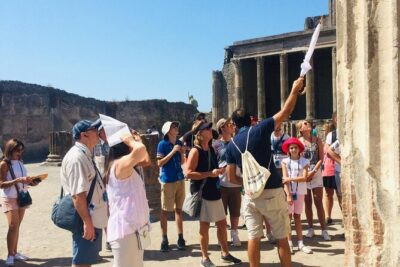
Pompeii and Herculaneum Small Group Tour with an Archaeologist
Read our review →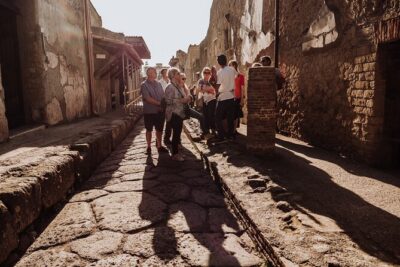
Herculaneum Small Group Tour and Ticket With an Archaeologist
Read our review →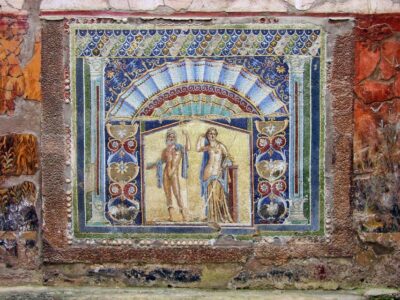
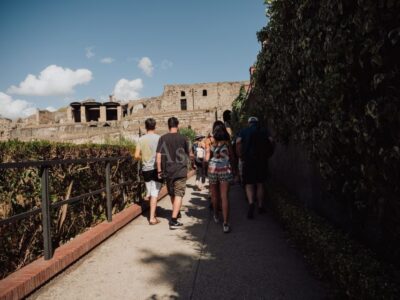
Pompeii & Herculaneum with Archaeologist Guide
Read our review →
Pompeii, Herculaneum, & Vesuvius Full-Day Tour
Read our review →
Herculaneum Entry Ticket with Optional Audio Guide
Read our review →
Day Trip of Pompeii, Herculaneum and Vesuvius from Naples
Read our review →Browse the lists this tour appears in