
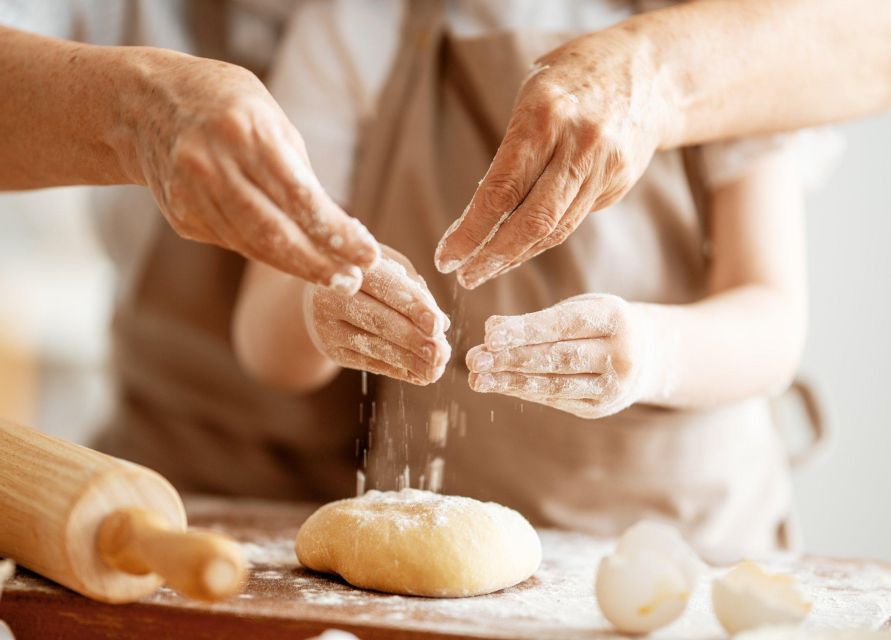
Reviewed · PASTA
Cooking Lesson: Neapolitan pasta homemade
This Naples cooking class keeps things wonderfully old-school: you roll the egg dough by hand, cut it with traditional methods, and make ravioli and fettuccine without a pasta machine. I like that chef Amos uses his family’s recipe and explains why the ingredients matter, rather than rushing you toward a plate of food.
I also like the local tasting while the dough rests, with Vesuvian tomatoes, homemade bread, and an optional alcoholic drink. The main drawback is clear: this is not suitable for anyone with gluten intolerance, and the two-hour schedule may feel short if you want a slower, more elaborate cooking lesson.
Key points to know before booking
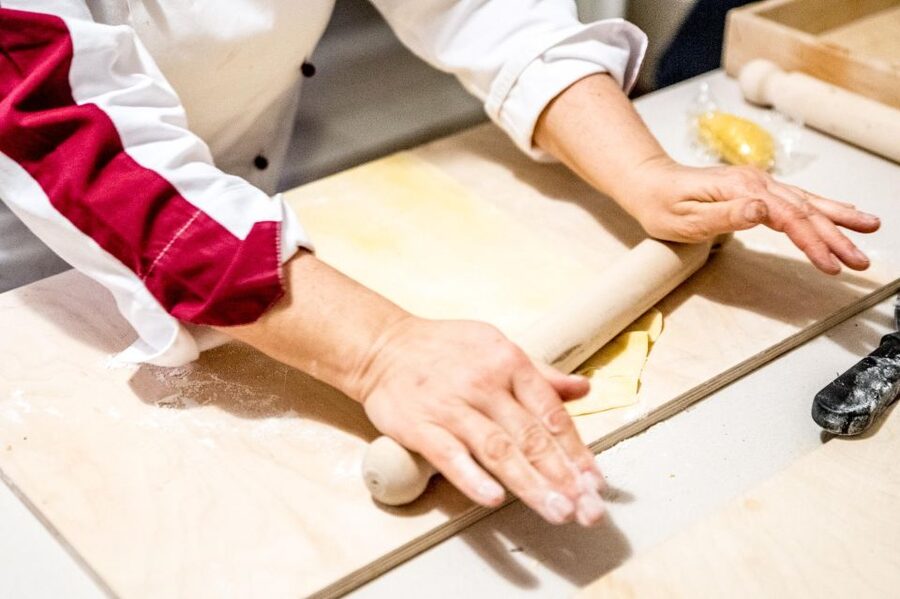
- Hand-rolled pasta: You knead and roll the dough with a rolling pin, without using a pasta machine.
- Several pasta shapes: You make ravioli and fettuccine, with demonstrations of tagliolini and pappardelle.
- Family recipe: Chef Amos teaches an egg-pasta method based on an old family tradition.
- Local tasting: The resting time includes Vesuvian tomatoes, homemade bread, and a local starter.
- Meal included: You eat fettuccine with Neapolitan sauce and ravioli with ragù.
- Central Naples setting: The usual meeting point is the Naples Cooking Lab on Spaccanapoli, with an alternate location at Pizzeria Mammina in Galleria Umberto I.
Making pasta the Neapolitan way
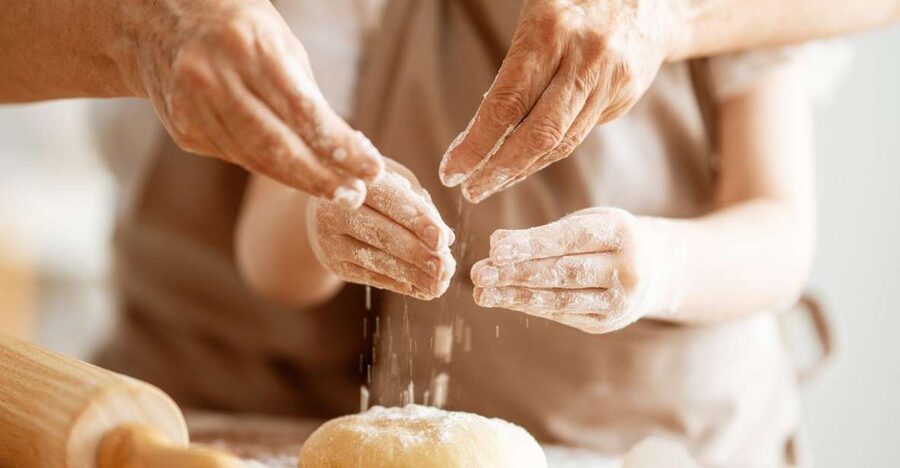
This is a hands-on class, not a demonstration where you sit back and watch someone else do the work. You learn the basic differences between pasta types, hear how the dough is made, and then put your hands to the task.
The lesson centers on egg pasta prepared according to the chef’s family recipe. The provided description calls it a recipe rooted in the 1800s, which gives the class a traditional angle without turning it into a history lecture. You learn what goes into the dough, how the ingredients work together, and why the texture matters.
The process starts with kneading. That may sound simple, but it is the part that turns a pile of ingredients into something you can shape. You get a feel for the dough as it comes together, then let it rest before rolling it out.
That rest period gives the class a useful pause. Instead of standing around waiting for the dough, you receive a local starter with organic Vesuvian tomatoes and homemade bread. This tasting is meant to show the quality of the local products, and it adds a welcome food break before the next round of flour and rolling.
More cooking classes in Naples:
- Naples: Pasta Making Class with Starter and Drink
★ 4.9 · 1,060 reviews - Naples: Pasta Cooking Class with Tiramisù and a Drink
★ 4.6 · 415 reviews - Amazing Pizza and Pasta Class at Savio’s kitchen cooking school
★ 5.0 · 104 reviews
Rolling dough without a pasta machine
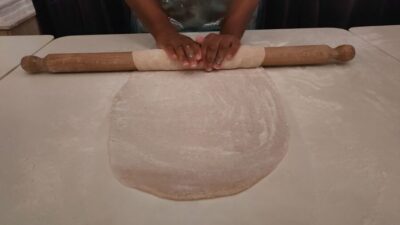
The most distinctive part of this lesson is the rolling. You use a rolling pin, not machinery, following methods associated with the chef’s grandmothers and older home kitchens.
If you have used a pasta machine before, hand rolling will feel slower and less exact. That is part of the point. You learn how the dough responds to pressure and how thin it needs to become for different shapes. The result may not look factory-perfect, but it gives you a better sense of how fresh pasta was made before countertop gadgets took over.
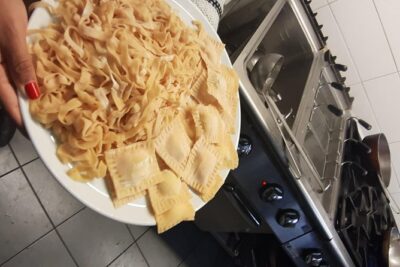
You then cut the sheet into fettuccine and shape ravioli. The chef also shows you how tagliolini and pappardelle are prepared. These extra shapes add value because you leave with more than two names to remember. You see how width changes the character of the pasta and how a broad ribbon differs from a fine strand.
The information provided does not specify the size of the group, so do not book this expecting a private lesson unless that is confirmed separately. The activity is described as taking place with your work group, and the practical feel may depend on how many people are sharing the kitchen space and tools.
Filling ravioli and preparing two sauces
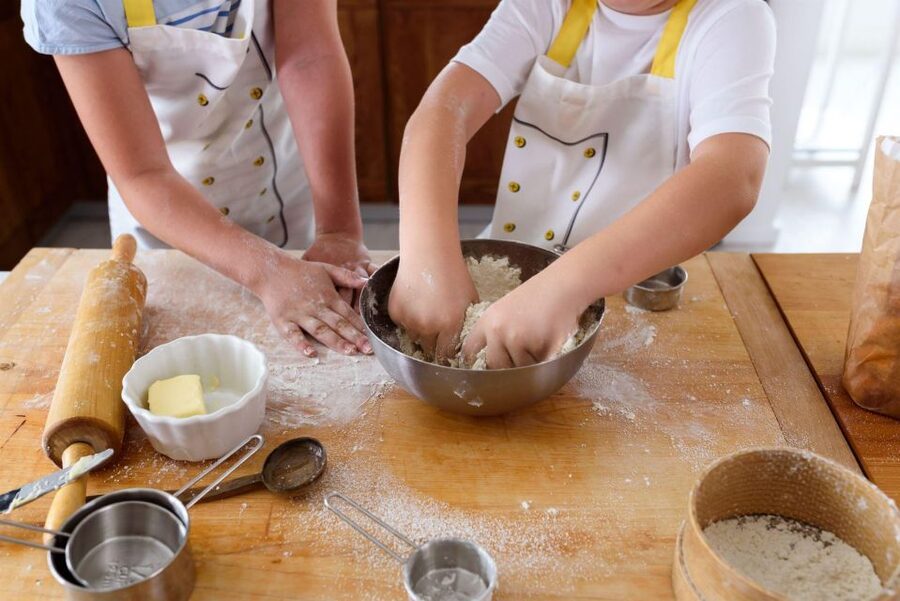
Once the pasta sheets are ready, you mix the ingredients for the ravioli filling. The exact filling ingredients are not specified, so you should ask about them if you have allergies or strong food preferences.
The ravioli is then assembled and cooked. This is the point where careful shaping matters. You want the filling enclosed and the edges sealed before the pasta reaches the water.
Your finished meal includes two different dishes. You eat fettuccine with Neapolitan sauce and ravioli with ragù. That pairing lets you compare how a simple pasta shape works with a tomato sauce and how filled pasta changes the balance of sauce, dough, and filling.
The activity description says the fresh pasta is cooked in water after it is made, then seasoned with the sauces after a few minutes. You are not simply taking home uncooked pasta. The class ends with a proper lunch or dinner, which makes the $92 price easier to assess.
Local ingredients are part of the lesson
The tomato tasting is not an unrelated snack. It gives the class a local food focus and helps explain why a short list of good ingredients can carry a dish.
Vesuvian tomatoes are singled out, along with homemade bread and organic products. You taste these while the dough rests, so you can pay attention to the flavor before sauce and pasta enter the picture.
That detail matters in Naples, where the quality of a few basic ingredients often makes more difference than a complicated recipe. The class does not promise a full tour of Campanian food, but it does connect the pasta lesson to the produce and bread served nearby.
You receive one alcoholic or non-alcoholic drink with the meal. Additional drinks after the first are not included, so keep that small extra cost in mind if you plan to linger over dinner.
More pasta classes in Naples:
- Naples Pasta Class: Fettuccine & Ravioli with Grandma’s Recipe
★ 5.0 · 506 reviews - Learn To Make Fresh Pasta With Love in Naples
★ 5.0 · 77 reviews - Hands-On Pasta Making and Traditional Tiramisu Workshop
★ 4.5 · 71 reviews - Naples: Fresh Pasta Cooking Class and Dinner with a Local
★ 4.9 · 69 reviews
What the two-hour schedule really means
Two hours is enough for a focused introduction to fresh pasta. You have time to hear the explanation, mix and knead the dough, let it rest, roll it, cut several shapes, prepare the ravioli, cook everything, and sit down to eat.
It is not enough time for a sprawling cooking school experience with several courses or a long market visit. The class is best for you if you want one practical skill and a meal in the center of Naples, rather than a full-day food program.
The schedule also favors a lively pace. You will need to pay attention when the chef explains the dough and shaping methods, then take part when it is your turn. The class has been used for a bachelorette party, so it can suit a celebratory group as well as a couple or solo visitor who enjoys cooking with others.
The activity includes kitchen tools and aprons, so you do not need to bring cooking equipment. You also receive a chef diploma at the end. It is a small souvenir, but it gives the experience a clear finish and makes a nice reminder if you plan to try the recipes at home.
Chef Amos and the teaching style
Chef Amos is named in the available feedback, and the teaching style described is friendly, patient, and ready to explain each step throughout the activity. That matters in a class built around hand techniques, since rolling and shaping pasta can be confusing if the instructions move too quickly.
One particularly useful detail is the emphasis on methods that have been lost over time. You are not just learning how to press a button on a machine. You are being shown an older approach that depends on touch, patience, and simple tools.
The teaching is offered in English, Italian, French, and Spanish. You should select the language that lets you follow instructions most comfortably, since the dough and ravioli stages depend on seeing and copying the technique.
The class has received a 4.8 rating from four available ratings, with praise focused on the fun atmosphere, the traditional hand-rolling, the clear instruction, and the good final meal. One person specifically planned to repeat the techniques at home. That is the best measure of this type of class: you should leave with something you can actually do again, not only a meal you remember.
Location in Naples’ historic center
The usual meeting point is the Naples Cooking Lab on Spaccanapoli, in the heart of the historic center. This is a practical location if you are already exploring central Naples, since you can combine the class with a walk through the old city before or after.
You should check the exact meeting instructions before setting out. Sometimes the class is held at Pizzeria Mammina in Galleria Umberto I instead, and you are supposed to be informed ahead of time if the location changes.
That alternate location is still central, but it is not the same place as the cooking lab. Build in enough time to check your confirmation and avoid arriving at the wrong kitchen.
The activity is listed as wheelchair accessible. Since the experience includes active work at kitchen stations, you may want to confirm the specific setup if you need particular seating or workspace arrangements.
Is $92 a fair price?
At $92 per person, this is not a cheap pasta lunch. You are paying for instruction, kitchen tools, an apron, the local starter, the pasta meal, one drink, and the chef diploma, not just the food on your plate.
The value is strongest if you want to learn a technique you can repeat. Hand rolling, cutting fettuccine, shaping ravioli, and seeing other pasta forms gives you more than a standard restaurant meal. The traditional method is also the main reason to choose this class instead of a generic pasta workshop.
The value is weaker if your main goal is simply to eat fresh pasta in Naples. You will spend much of the two hours working with dough, and you are responsible for taking part. If you do not enjoy cooking, a restaurant meal will be easier and likely less expensive.
The included drink is useful, but only one drink is covered. Additional drinks are extra, and the supplied information does not include a choice of menu or a larger range of courses. Think of the fee as payment for a lesson with a meal attached, not a long Italian feast.
Who should book this class?
I would choose this for anyone who wants a practical food activity in central Naples and likes the idea of making pasta with basic tools. It also suits a small celebration, since the lesson has already been used for a bachelorette party.
It can work well for families or mixed groups if everyone is comfortable with gluten and willing to take part. The class is not suitable for people with gluten intolerance, and the dough-centered format means there is no stated gluten-free alternative.
You should also book it if you want to learn several pasta shapes in one sitting. Fettuccine and ravioli are the main hands-on results, while tagliolini and pappardelle add useful variety.
I would skip it if you dislike group activities, want a private chef experience, or expect a detailed Campania food tour. The focus stays on pasta, a local starter, and the meal you prepare.
Booking details that matter
The class lasts two hours, with starting times based on availability. It can be booked with a reserve-now, pay-later option, which is helpful if your Naples plans are still moving around.
Free cancellation is available up to 24 hours before the activity for a full refund. That gives you some room to adjust your schedule, especially in a city where sightseeing plans can change quickly.
The meeting point is normally the Naples Cooking Lab on Spaccanapoli. Check for any notice about the possible change to Pizzeria Mammina in Galleria Umberto I.
You receive the tools, apron, chef instruction, meal, local appetizer, first drink, and diploma. You pay separately for other drinks after the included one.
Should you book the Neapolitan pasta lesson?
Book it if you want to make your own meal, learn traditional hand-rolled pasta, and eat in central Naples. The strongest parts are the no-machine method, chef Amos’s step-by-step instruction, the Vesuvian tomato tasting, and the chance to compare fettuccine with ravioli in one sitting.
Do not book it for a quick meal, a gluten-free option, or a long culinary tour. For $92, the class earns its price through participation and technique. If you leave ready to repeat the recipe at home, it has done its job.
FAQ
Where does the pasta class take place?
The usual meeting point is the Naples Cooking Lab on Spaccanapoli in Naples’ historic center. Sometimes the class takes place at Pizzeria Mammina in Galleria Umberto I, and you should be informed in advance if the location changes.
How long does the cooking lesson last?
The activity lasts two hours.
What pasta will I make?
You will make homemade ravioli and fettuccine. The chef also shows you how to prepare tagliolini and pappardelle.
Do I use a pasta machine?
No. The dough is rolled with a rolling pin using traditional methods.
Is a meal included?
Yes. You eat fettuccine with Neapolitan sauce and ravioli with ragù.
Is a drink included?
One alcoholic or non-alcoholic drink is included. Other drinks after the first one are not included.
Is the local appetizer included?
Yes. The class includes a local starter with products such as Vesuvian tomatoes and homemade bread.
Are cooking tools and aprons provided?
Yes. Kitchen tools and aprons are included.
What languages are available?
The lesson is offered in English, Italian, French, and Spanish.
Is the class suitable for people with gluten intolerance?
No. The activity is not suitable for people with gluten intolerance.
Is the activity wheelchair accessible?
Yes. The activity is listed as wheelchair accessible.
Can I cancel for a refund?
Yes. You can cancel up to 24 hours in advance for a full refund.
More Workshops in Naples
- Naples: Pizza-Making Workshop with Drink and Appetizer
★ 4.9 · 5,411 reviews - Authentic Pizza Making Class in Naples with Appetizers and Drink
★ 5.0 · 3,178 reviews - Naples: Neapolitan Pizza and Tiramisù Making Class
★ 4.8 · 839 reviews - Pizza and Tiramisù Making class
★ 5.0 · 305 reviews
Just added around Naples
- Naples: Guided Walking Tour★ 4.7 · 63 reviews
- Wine tasting in the Vesuvius National Park★ 3.5 · 4 reviews
- Naples: Pompeii and Vesuvius Skip-the-Line Day Trip★ 3.8 · 32 reviews
- Visit the Museum MANN with a professional guide★ 5.0 · 3 reviews
- Walking-tour of Naples hystorical Centre★ 4.4 · 4 reviews
- Vesuvius – Herculaneum – Pompeii Excavations Tour★ 4.2 · 9 reviews
- Pompeii: Vesuvius at Sunset★ 3.5 · 31 reviews
- Vesuvius and Herculaneum from Naples★ 3.7 · 29 reviews
Pasta, compared.
Naples Pasta Class: Fettuccine & Ravioli with Grandma’s Recipe
Read our review →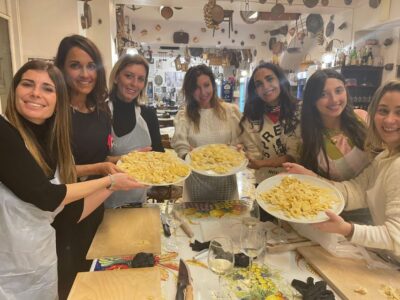
Amazing Pizza and Pasta Class at Savio’s kitchen cooking school
Read our review →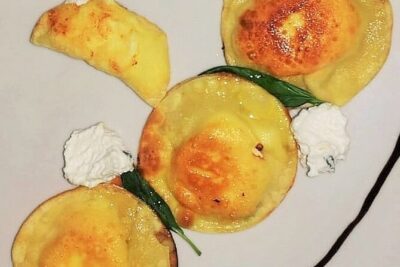
Hands-On Pasta Making and Traditional Tiramisu Workshop
Read our review →
Fresh Pasta Cooking Class and Dinner with a Local
Read our review →
Browse the lists this tour appears in