
Reviewed · HERCULANEUM TOURS FROM NAPLES
Private Herculaneum for Families: Kids Archaeology Adventure
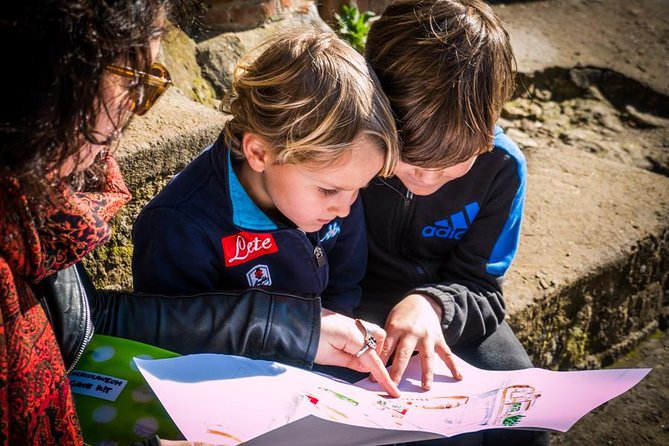
Herculaneum is a superb ancient site for families because it feels like a real Roman neighborhood, not a vast field of scattered stones. You can walk from a street-side food counter to a colorful house, a bath complex, or a preserved wooden door in minutes. I especially like the compact layout and the way the guide turns details into games and questions for children.
I also like the private format. A Blue Badge accredited guide can adjust the pace, explain a mosaic at length, or move on when a four-year-old has had enough. The main drawback is simple: this is still a serious archaeological visit with plenty of walking, heat, and uneven ground. A smaller child may tire before the two to four hours are over.
Key points to know before booking
- Carbonized wood survives here: See doors, screens, furniture, and other wooden objects preserved by the eruption.
- Family games keep the ruins moving: The Herculaneum4Kids package and site map give children something practical to use.
- The town is compact: You can cover a great deal without the long walks required at some larger archaeological sites.
- The shoreline is powerful: The vaulted chambers and human remains add a serious note to an otherwise playful family visit.
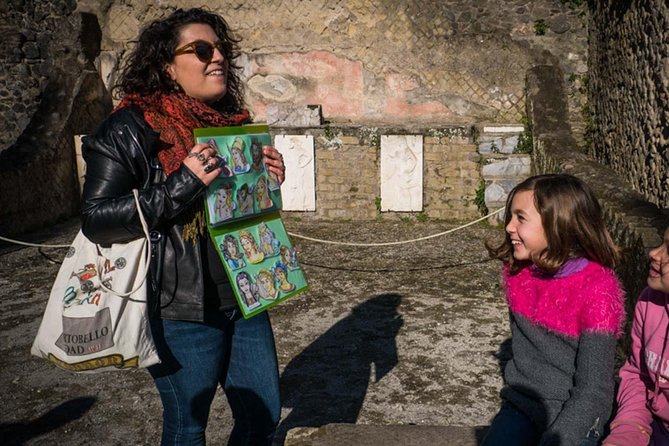
- Guides make a big difference: Antonella and Paola are named in family feedback, with special praise for their storytelling and activities.
- Pickup depends on the option chosen: Flexible meeting arrangements are offered, but pickup is included in the premium option.
Why Herculaneum works so well with children
At Herculaneum, the past is easy to picture. The streets are close together, buildings retain walls and decoration, and everyday objects survived in ways that make ancient life feel surprisingly near. Your child can see where Romans bought food, went to the baths, trained, worshipped, and lived at home.
That is the great strength of this tour. Instead of presenting a long lecture about 79 AD, the guide can ask your children to spot a painted sign, guess what a shop sold, or imagine how a folding screen worked. The activities are not just filler. They give young visitors a reason to look closely.
The site is smaller than Pompeii, which helps. You still need to walk for around two hours or more, but the route does not feel like an endless march between distant monuments. Buildings sit close to one another, and each stop changes the subject.
The private format is useful if your children have different ages or energy levels. A seven-year-old may be ready for details about Roman law, while a three-year-old may care only about the colorful mosaic or the idea of ancient takeaway food. A private guide can speak to both.
More Herculaneum tours:
- Herculaneum: Skip-the-Line Guided Tour with Archaeologist
★ 4.8 · 3,439 reviews - Herculaneum Small Group Tour and Ticket With an Archaeologist
★ 5.0 · 994 reviews - Herculaneum: Skip-the-Line Entry Ticket with Audio Guide
★ 4.3 · 870 reviews
Entering the archaeological park below modern Ercolano
The meeting point is in Ercolano, at postal code 80056, in the Metropolitan City of Naples. Flexible arrangements are available, and pickup is included with the premium option. Confirm the exact meeting plan when you book, especially if you are staying in Naples or elsewhere nearby.
From the start, you get a striking contrast between the modern town above and the ancient city below. Herculaneum was buried under a deep layer of volcanic material during the eruption of Mount Vesuvius in 79 AD. That covering helped protect items that usually vanish in an archaeological site, including wood, food, furniture, and doors.
You can also see Vesuvius from the area. The volcano’s profile helps children connect the mountain with the city’s fate. The surrounding Parco Nazionale del Vesuvio adds useful context, even if you are only viewing it from a distance on the way to the ruins.
Your guide’s opening explanation matters here. Before children see a villa or a bath, they need to understand that this was once a living town. The volcano is not just a dramatic backdrop. It explains why this particular place preserved so much.
The Antiquarium and the Roman boat
The Antiquarium is a good early stop because it introduces objects from ordinary life. You may see jewelry, coins, writing tools, household objects, and items associated with children. These are useful clues because they connect the archaeological site to people rather than only to architecture.
The charred wood is especially memorable. The eruption carbonized wooden objects instead of reducing them completely to ash, leaving behind dark remains that can still show their original shape. Children often need this explained: the blackened material is real Roman wood, not a replica or a stone imitation.
The Boat Pavilion offers another change of scale. The preserved Roman boat once belonged to the Bay of Naples, and tools and equipment help show Herculaneum as a seaside town linked to travel and trade. The wooden hull is likely to catch a child’s attention faster than a long wall inscription.
I like this pairing because it gives you both home life and movement beyond the town. You see what people owned, then consider how they traveled and worked by the water.
Casa dei Cervi and the homes of the wealthy
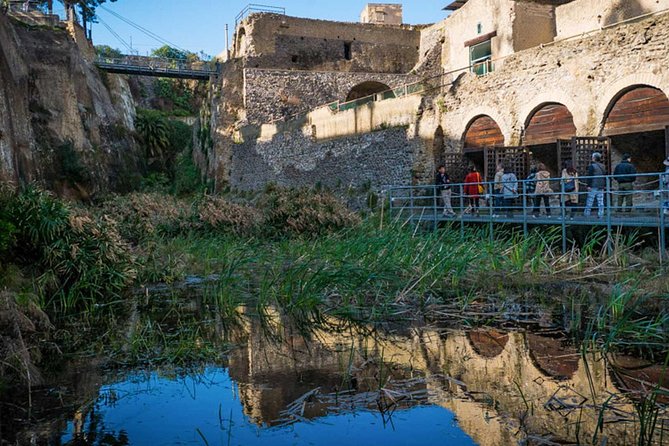
Casa dei Cervi is one of the more elegant houses on the route. Its open courtyard and marble statues of stags being attacked by hunting dogs give children a clear visual focus. The scene is easy to remember, and the guide can use it to explain Roman taste, wealth, and decoration.
The house also helps you discuss social life. Large residences were not simply private shelters. Their courtyards, reception areas, frescoes, mosaics, and marble thresholds suggest how owners presented themselves to visitors.
You will not find every room complete, and some areas may require imagination. That is where the guide earns the private tour price. Instead of staring at a partial wall, your family can work out what the space may have been used for and how it connected to the rest of the house.
A few more Naples outings worth a look
- From Naples: Pompeii Ruins & Mount Vesuvius Day Tour
★ 4.3 · 11,459 reviews - From Naples: Sorrento, Positano and Amalfi Full-Day Tour
★ 4.6 · 10,988 reviews - From Naples: Sorrento, Positano & Amalfi Coast – Small Group Tour
★ 5.0 · 8,643 reviews - Naples: Catacombs of San Gennaro Entry Ticket & Guided Tour
★ 4.6 · 7,941 reviews
The Palestra and ancient youth culture
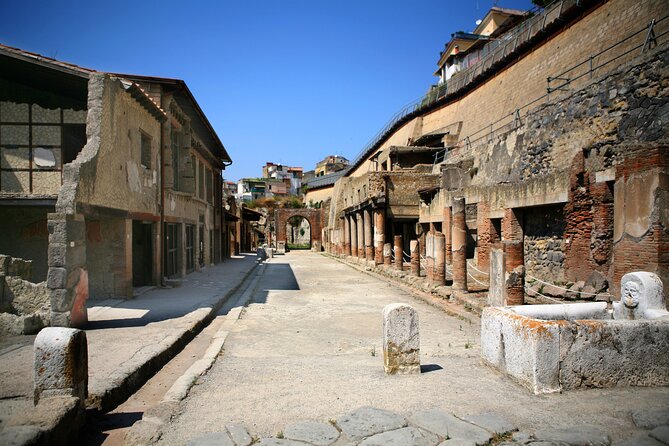
The Palestra, or gymnasium, gives children a welcome change from rooms and artwork. Its open courtyard was used for physical training, running, wrestling, and ball games. Porticoes provided shade and space for rest or conversation.
This stop works well for school-age children because it connects ancient routines with familiar activities. The equipment and rules were not the same as today, but the basic idea of young people exercising and socializing is easy to grasp.
For adults, the Palestra shows that physical training was tied to education and public life. It was not simply a modern-style sports court. The site reveals how Romans thought about the body, discipline, and participation in the community.
Neptune, Amphitrite, and the color of Roman homes
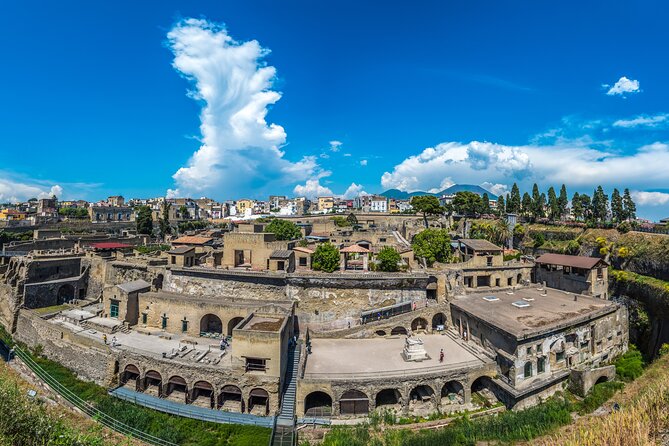
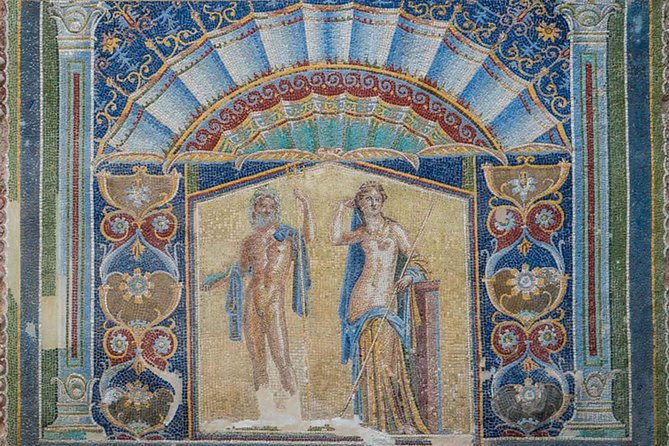
Casa di Nettuno e Anfitrite is one of the most rewarding stops for children who like pictures. Its mosaic of Neptune and Amphitrite uses small glass pieces to create a sea-themed scene, and much of the color remains striking after nearly two thousand years.
This is a good place to correct a common modern assumption that Roman buildings were plain white stone. The houses used color, images, patterns, and mythological stories to make an impression. Your guide can explain how the decoration reflected the owners’ wealth and interests.
Look closely rather than rushing past. Children can search for figures and patterns, while adults can consider the craft required to place thousands of small tesserae. The house is not just pretty. It shows how art, identity, and domestic life worked together.
The Women’s Baths and Roman engineering
The Women’s Baths offer one of the clearest windows into daily routine. You move through changing rooms, warm rooms, and hot rooms, with mosaics, marble benches, and heating systems built beneath the floors.
Children tend to understand the baths quickly when they are compared with a modern spa. The Roman system was also a social place where women could meet, relax, and take care of themselves. That makes the stop more relatable than a purely religious or political monument.
The engineering is the real lesson. Heat had to be produced and directed below the floor, and the rooms had to be arranged by temperature. The guide can turn what looks like a series of bare chambers into a working system.
Expect some uneven surfaces and a fair amount of standing. This is a place where a short explanation followed by a quick family activity may work better than a long talk.
Shops, food, and the ancient version of advertising
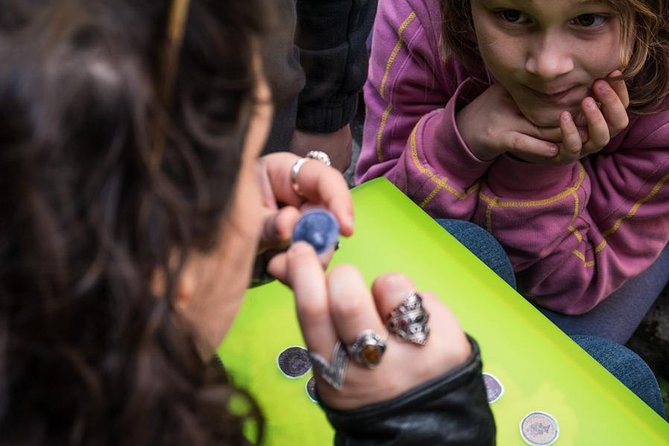
The painted Ad Cucumas wine advertisement is a small stop with a big payoff. It shows that Roman businesses used signs and images to tell people what was sold inside. Children can try to interpret the symbols, while adults can point out that advertising is much older than printed newspapers or digital screens.
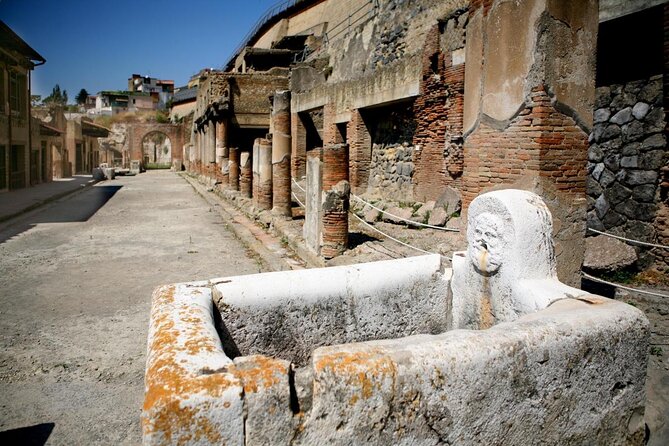
The Thermopolium makes the same point through food. This street-side counter served hot meals from large terracotta jars set into a decorated countertop. It is one of the easiest places for a child to understand because the basic idea resembles a takeaway shop.
These stops keep the visit grounded in ordinary life. You are not only looking at elite houses and official buildings. You are seeing how people shopped, ate, and moved through the town.
The preserved jars and painted surfaces help, but the guide’s questions are just as important. Ask your children what they think was stored in each container and why a business needed a sign. The answers can lead naturally into a discussion of Roman kitchens, markets, and daily schedules.
Casa del Bicentenario and Casa del Tramezzo di Legno
Casa del Bicentenario offers a close look at refined urban living. Rooms open toward a central courtyard, and fragments of frescoes show how the owners decorated their home. The carbonized wood is again a major feature, including doors, window frames, and interior partitions.
The discovery of wooden writing tablets containing court records adds another useful layer. Ancient Romans did not only decorate villas and serve food. They kept legal records and dealt with bureaucracy, much as people do now.
At Casa del Tramezzo di Legno, the preserved wooden folding screen is the star. It separated parts of the house and retains its shape despite the eruption. Children often find this more surprising than marble because wood feels like such a fragile material.
Together, these houses make ancient interiors feel practical. You can discuss privacy, entertaining, household organization, and the difference between public and private rooms. The best guides will keep this concrete, using the surviving objects rather than relying only on dates.
Religion, mystery, and the final human story
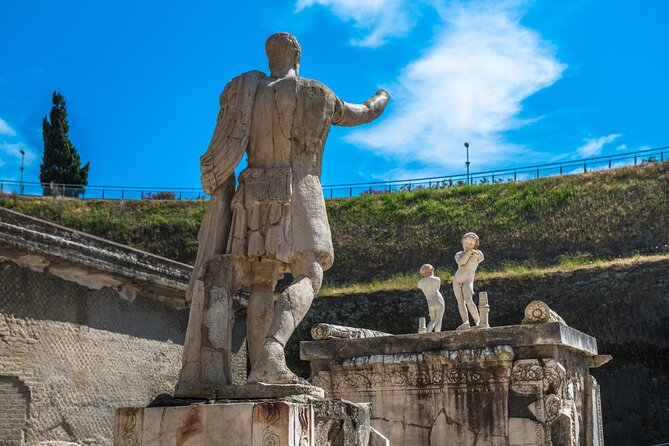
The Sacello Augustali shows the connection between religion and civic identity. Statues and decorated panels relate to the imperial cult, in which the emperor was honored as a symbol of unity and prosperity. Children can look for mythological figures, while adults can consider the political role of religious buildings.
Casa dello Scheletro brings a more mysterious note. Its name comes from a skeleton found during early excavations. The house also has wall paintings, niches, and other signs of a once comfortable home.
The final shoreline area is the most serious part of the visit. Vaulted chambers contain evidence of people who sought shelter during the eruption, including hundreds of skeletons. This is not a stop to rush through or turn into a game.
A family guide can present it with care, helping children understand that archaeology is about real people. Younger children may need a simpler explanation, and some families may prefer to spend only a short time here. The site’s power comes from its honesty, but it can be difficult for sensitive children.
Walking, weather, and the two to four hour schedule
The advertised duration is about two to four hours. The archaeological visit itself is listed at two hours, but the total time can vary with the pace of your group, the meeting arrangement, and how much discussion your children want.
You should expect a moderate level of physical activity. Wear sturdy, comfortable shoes, since the route includes ancient streets and uneven surfaces. From May through September, bring water, hats, and sun protection. One family found that a four-year-old became tired on a warm day, while older children stayed engaged.
The tour is offered in English and is private, so only your group participates. That is a major advantage for families with mixed ages. You can pause for a child, ask for a simpler explanation, or spend longer at a favorite mosaic without holding up a large group.
The Herculaneum4Kids package and site map are useful take-home items. They give children a physical reminder of what they saw and may help them follow the route while you are inside the site.
Is $221.70 per person good value?
At $221.70 per person, this is not a budget archaeological visit. The price makes the most sense when you value private guiding, family activities, admission, and a route shaped around children rather than a standard adult tour.
A private guide can also prevent wasted time. Herculaneum has many details, and without a plan you may walk past the most interesting wooden objects, shops, or household decorations. The guide focuses attention on the parts most likely to hold a child’s interest.
The value is strongest for families with children roughly in the school-age range, especially if you want the visit to become a shared history lesson rather than a quick walk through ruins. It may be less worthwhile if your children are too young to follow activities or if you are happy to explore alone with a guidebook.
Group discounts are offered, so check the final cost for your party. Pickup is part of the premium option, not automatically part of every booking. Free cancellation is available if you cancel at least 24 hours before the start time.
My call: book it for an active family history day
I would book this tour if you want Herculaneum explained through stories, objects, and small challenges rather than a long adult lecture. The strongest features are the private format, the family games, and the guide’s ability to connect carbonized wood, food counters, mosaics, baths, and real human stories.
Antonella and Paola are examples of guides who made the visit work for different ages. One seven-year-old stayed focused on the games, while even a three-year-old had moments of interest. That is a useful measure of success on an ancient-site visit.
Choose another option if your family dislikes walking, hot weather, or emotionally serious archaeology. Otherwise, this is a well-targeted way to see Herculaneum, and the lessons can carry into a later visit to Pompeii. The compact site, preserved homes, and child-focused activities give you plenty to talk about long after you leave.
FAQ
Where does the tour begin?
The meeting point is in Ercolano, at 80056 Ercolano in the Metropolitan City of Naples.
Where does the tour finish?
The activity ends back at the meeting point.
Is pickup available?
Flexible pickup arrangements are offered. Pickup is included in the premium option, so check which option you are booking.
How long does the experience last?
The tour lasts approximately two to four hours. The archaeological park portion is listed as two hours.
Is admission to Herculaneum included?
Yes, admission to Parco Archeologico di Ercolano is included.
Is this a private tour?
Yes. Only your group participates in the activity.
What language is the tour offered in?
The tour is offered in English.
Is the tour suitable for young children?
The tour is designed for families and includes activities, a site map, and a Herculaneum4Kids package. You should still expect walking, and a young child may tire during the visit.
What should I wear and bring?
Wear appropriate shoes. From May through September, bring sun protection, hats, and water.
Can I cancel for a full refund?
You can cancel for a full refund up to 24 hours before the experience begins. Cancellations or changes made less than 24 hours before the start time are not accepted for a refund.
Are service animals allowed?
Yes, service animals are allowed.
Is the site near public transportation?
Yes, the experience is near public transportation.
Just added around Naples
- Naples: Guided Walking Tour★ 4.7 · 63 reviews
- Wine tasting in the Vesuvius National Park★ 3.5 · 4 reviews
- Naples: Pompeii and Vesuvius Skip-the-Line Day Trip★ 3.8 · 32 reviews
- Visit the Museum MANN with a professional guide★ 5.0 · 3 reviews
- Walking-tour of Naples hystorical Centre★ 4.4 · 4 reviews
- Vesuvius – Herculaneum – Pompeii Excavations Tour★ 4.2 · 9 reviews
- Pompeii: Vesuvius at Sunset★ 3.5 · 31 reviews
- Vesuvius and Herculaneum★ 4.8 · 9 reviews
Herculaneum Tours from Naples, compared.
Pompeii and Herculaneum Small Group Tour with an Archaeologist
Read our review →
Herculaneum Small Group Tour and Ticket With an Archaeologist
Read our review →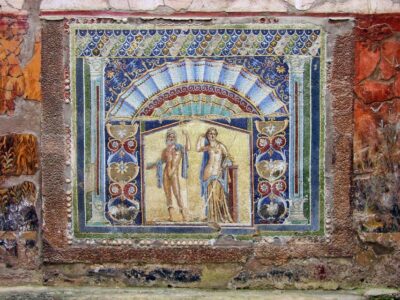
Pompeii & Herculaneum with Archaeologist Guide
Read our review →
Pompeii, Herculaneum, & Vesuvius Full-Day Tour
Read our review →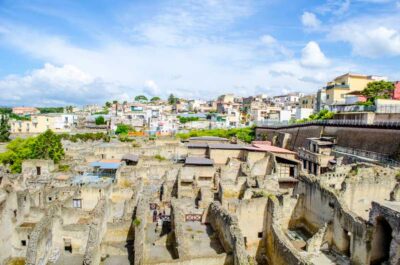
Herculaneum Entry Ticket with Optional Audio Guide
Read our review →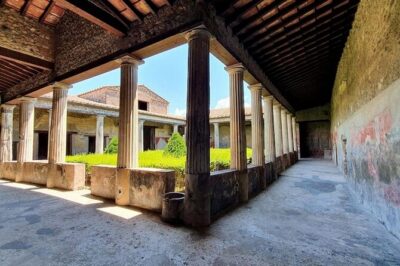
Day Trip of Pompeii, Herculaneum and Vesuvius from Naples
Read our review →Browse the lists this tour appears in