Reviewed · GUIDED
Naples: Certosa San Martino Tour with an Art Historian Guide
Naples saves one of its finest surprises for the top of the hill. At the Certosa di San Martino, you move from small monk cells and a peaceful cloister into a church covered with marble, paintings, sculpture, and elaborate Baroque detail. I like the sharp contrast between the monastery’s quiet purpose and the city spread below it. I also like that an art historian guide can explain why this place took about a century to reshape, rather than leaving you to admire a blur of beautiful surfaces.
The main consideration is practical: the $249.23 price is listed for a private group up to one person, so you should confirm the final cost for your party before booking. Transportation is not included, despite one promotional reference to private transport to Pompeii. This experience begins and ends at the Certosa, not in Pompeii.
Key points to know before booking
- The church took shape over roughly a century: Renovation began around 1590 and brought artists and workers from Rome and across the old Viceroyal territory.
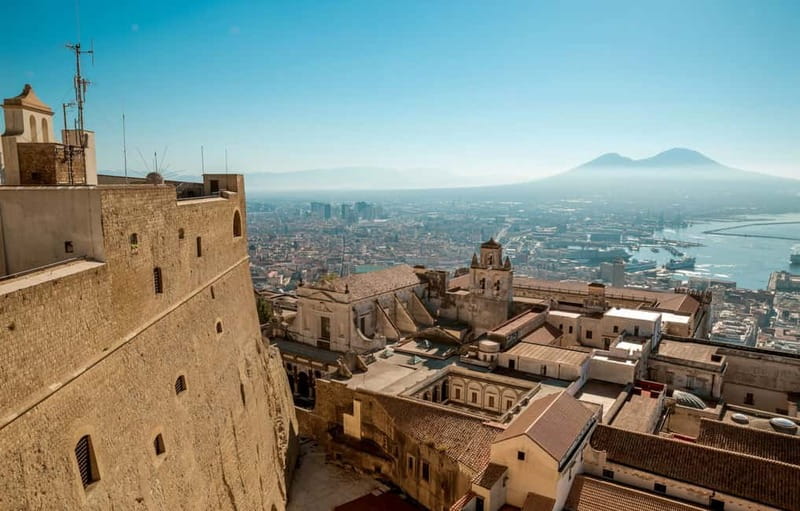
- The views are part of the visit: The terrace near the entrance offers a broad look over Naples from one of the city’s highest hills.
- You see both luxury and restraint: Lavish chapels and floors contrast with the plain small cells used by the monks.
- Roberta is specifically praised by name: She is described as courteous, capable, passionate, and willing to answer questions.
- The tour lasts two hours: That gives you a focused introduction, though not unlimited time for every museum room.
- It is a private experience: Languages offered are English, French, Italian, and Spanish, with a licensed guide leading the visit.
Why the Certosa belongs on your Naples list

Naples is often introduced through its crowded streets, grand churches, underground passages, and waterfront views. The Certosa gives you a different angle. It sits high above the city, where the air and outlook help you understand Naples as a whole rather than as a series of narrow lanes.
The monastery began in 1325 at the request of Charles of Anjou. It became the mother church of the Carthusian order, known in Italian as the Certosini. The monks sought a life shaped by silence, prayer, and separation from the outside world. That aim is still legible in the layout, even though the church later received an extraordinary amount of artistic decoration.
I find that tension especially useful for understanding the site. The monastery was designed for withdrawal, yet the church became one of the great artistic projects of southern Italy. You are not simply looking at a pretty building. You are seeing two ideas placed side by side: a strict religious life and the rich public display of Neapolitan Baroque art.
A few more Naples outings worth a look
- From Naples: Pompeii Ruins & Mount Vesuvius Day Tour
★ 4.3 · 11,459 reviews - From Naples: Sorrento, Positano and Amalfi Full-Day Tour
★ 4.6 · 10,988 reviews - From Naples: Sorrento, Positano & Amalfi Coast – Small Group Tour
★ 5.0 · 8,643 reviews
Meeting your guide at Largo San Martino
The tour begins outside the Certosa e Museo di San Martino at Largo San Martino, 5, in Naples. You meet your guide there, then enter the complex for a two-hour visit before returning to the same point.
That simple arrangement matters. You do not need to manage a separate museum entrance, find your way through the building alone, or split your attention between a guide and a large mixed group. The private format lets you ask questions as you go. If one chapel, painting, or piece of decoration catches your eye, you can spend a little more time on it.
The guide’s role is central here. The building contains enough ornament to overwhelm you in minutes. A good explanation gives order to what you see: the church’s earlier medieval foundation, the major rebuilding campaign that began around 1590, and the long series of interruptions and changes that followed.
Roberta is the guide named in the strongest praise attached to this experience. She is described as courteous, capable, passionate, and ready to respond to questions. Guides can vary, but her mention gives you a useful sense of the service expected from this private visit.
The terrace view before you enter
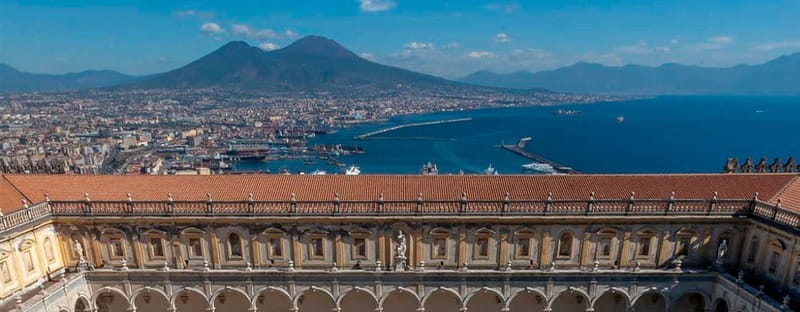
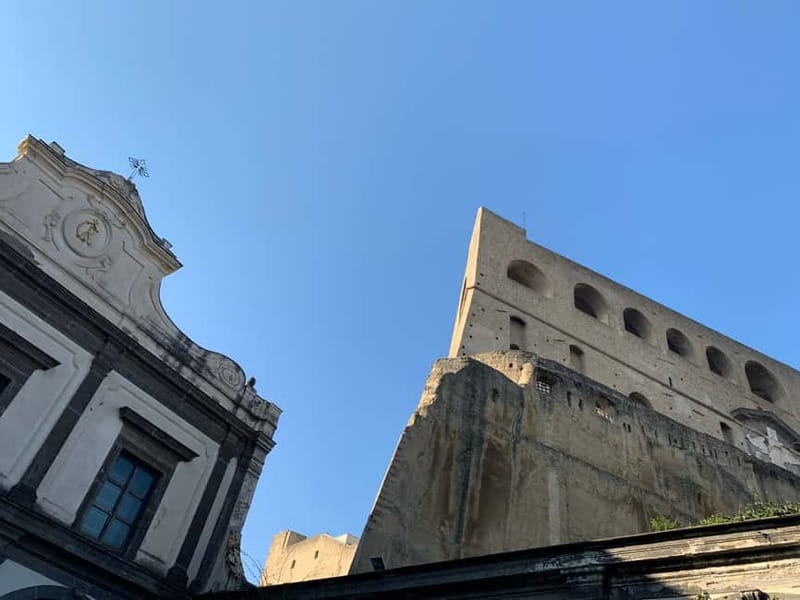
One of the first worthwhile pauses is the terrace directly in front of the entrance. From this high point, Naples opens below you. On a clear day, the city’s outline appears crisp. In rain, the view takes on a softer, more atmospheric quality.
I like this stop because it gives you an immediate sense of place. You are not entering an isolated monument. The church occupies one of the city’s highest hills, and its position helps explain why the Certosa feels grand even before you reach the decorated interior.
Give yourself a moment here rather than treating the terrace as a quick photo stop. The view provides a visual map of Naples, while the monastery gives you a way to think about the city’s religious and artistic power. The tour includes a guided visit and a photo stop, but the length of the terrace pause will depend on the guide and the pace of your group.
Inside the church, where every surface competes for attention
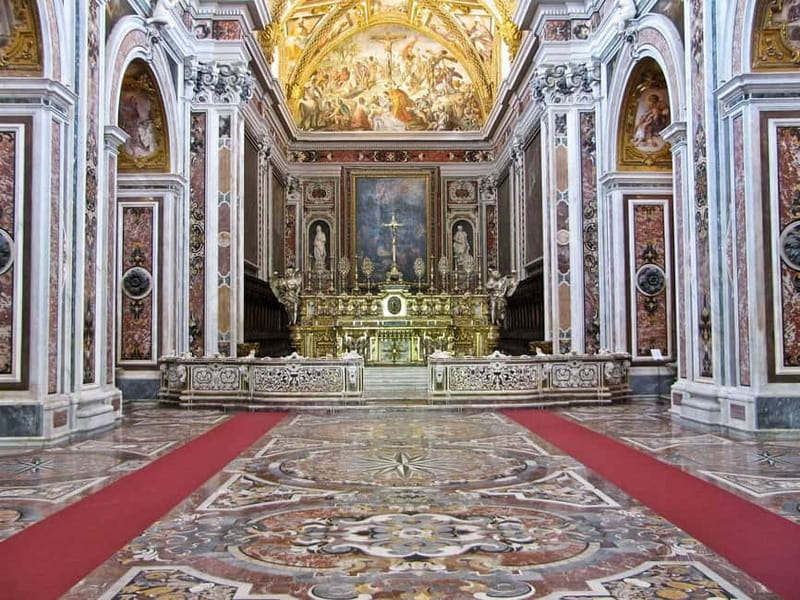
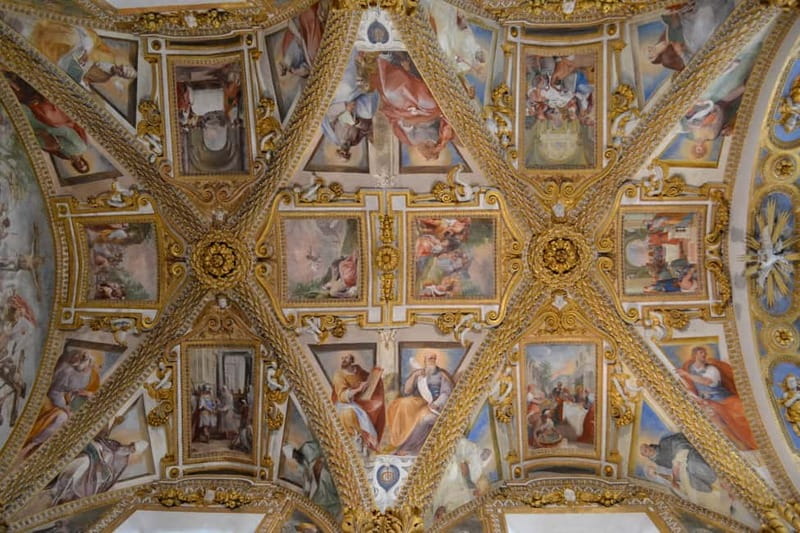
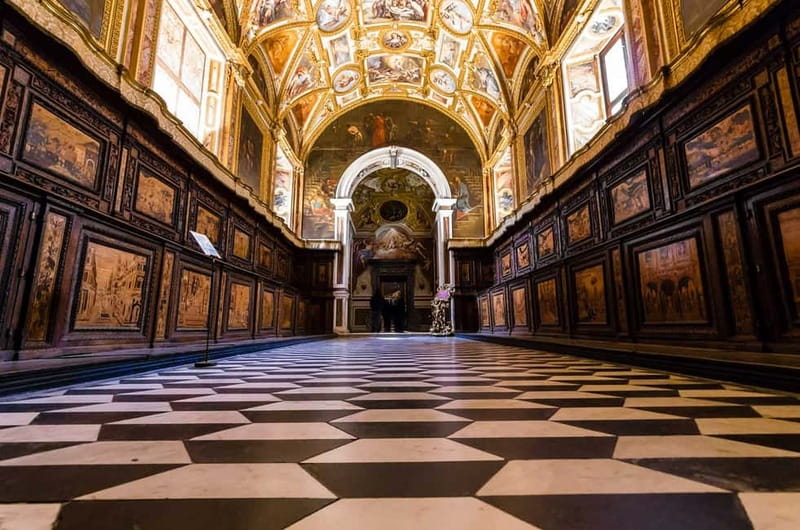
The church is the visual centerpiece. Renovation from 1590 onward transformed it into one of the largest artistic building projects in southern Italy. Workers arrived from Rome and from many parts of the Viceroyal territory. The work continued for about a hundred years, with pauses, revisions, and changes in direction.
That long process shows in the finished interior. You can expect decoration from the vault down to the floor, with side chapels and adjoining rooms adding more layers to the visit. The supplied details do not name individual artists or specific artworks, so you should not expect the tour description to function as a full catalog of every object. Its value is in helping you read the whole setting.
This is where a guide earns the fee. Without context, the church may look like an endless sequence of ornate details. With an art historian explaining the building’s development, you can notice how the decoration works together and why the project became so important to southern Italian art.
I would not rush through this section. Look up, then look down. The floor is part of the artistic program, not merely a surface beneath your feet. The side chapels offer smaller scenes within the larger spectacle. You may find that the most memorable moment is not the biggest piece, but a detail you would have passed without an explanation.
More Guided Tours in Naples:
- Naples: Catacombs of San Gennaro Entry Ticket & Guided Tour
★ 4.6 · 7,941 reviews - Naples: Spanish Quarters Underground Guided Tour
★ 4.8 · 5,064 reviews - Naples: Street Food Walking Tour with Local Guide
★ 4.8 · 4,256 reviews - Herculaneum: Skip-the-Line Guided Tour with Archaeologist
★ 4.8 · 3,439 reviews
The cloister and the small cells
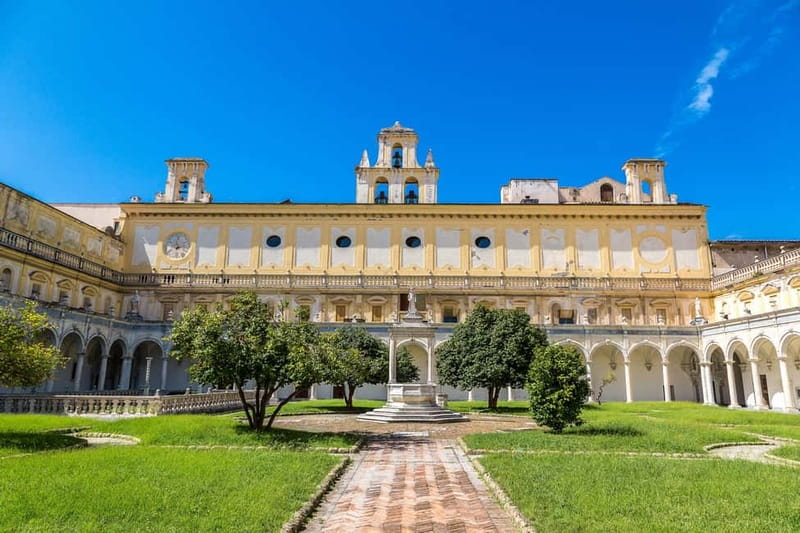
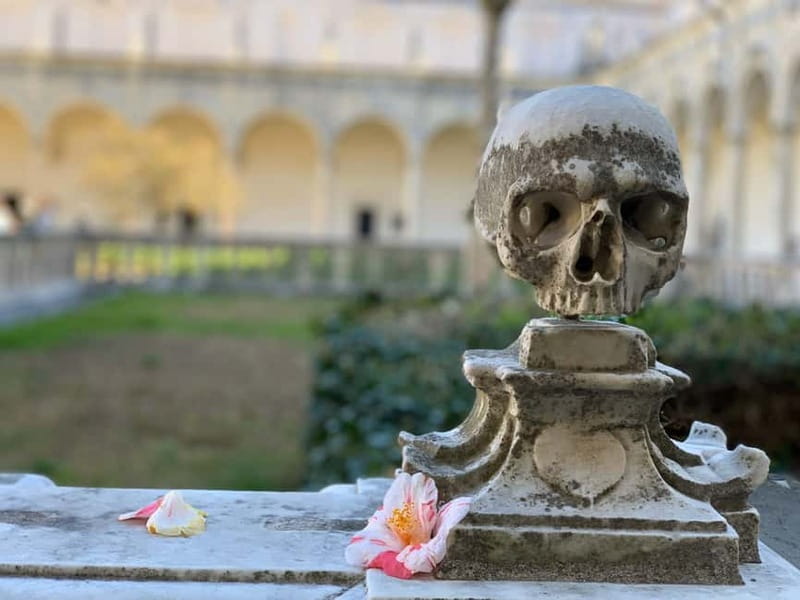
The monastery’s cloister offers a quieter counterpoint to the church. The small cells show the space monks needed for peace and prayer. After the rich interior, these rooms help restore the human scale of the place.
This part is important because it keeps the tour from becoming only an art lesson. You begin to picture daily life inside the monastery: limited personal space, a strong separation from the outside world, and a routine shaped around religious practice. The tour information describes an archaeologist guide as part of the experience, while the included service identifies a professional art historian and licensed tourist guide. Either way, the focus is not just decoration. You are meant to understand how the building functioned.
The contrast is striking. The church expresses wealth, ceremony, and public devotion. The cells express restraint. Seeing both gives you a clearer picture of the Certosa than either one would on its own.
The cloister may also appeal to you if you prefer architecture with a calmer mood. The church asks you to look everywhere at once. The cells and monastic areas slow the pace and create room for questions about the people who lived there.
What the National Museum adds
Admission includes both the church and the National Museum of San Martino. The museum extends the visit beyond the central religious spaces and gives you a broader view of the Certosa’s artistic and cultural importance.
The stated tour length is two hours, so you should keep your expectations realistic. You will receive a guided introduction to the church, cloister, cells, and museum areas, but two hours is not enough for an exhaustive inspection of every room. If you enjoy reading every label and studying every object at length, you may want to return on your own if the admission arrangements allow it.
For most people, the museum inclusion is a useful part of the package. You are not paying only to enter a church and stand in a famous viewpoint. You also receive access to a national museum collection within the same complex. The guide can help you decide which parts deserve your closest attention.
Is two hours enough?
Two hours is a sensible length for a first visit. The Certosa contains enough art and architectural detail to fill much longer, but a focused tour keeps the experience from becoming tiring or unfocused.
You should expect a structured visit rather than a leisurely half-day museum session. The guide will likely move between the major spaces, explain the church’s renovation, show the cloister and cells, and give you time to appreciate the view. Your group can ask questions along the way, which is one of the benefits of the private format.
If the Certosa is one stop in a busy Naples schedule, two hours fits well. It leaves time for other parts of the city without reducing the visit to a quick glance. If you have a strong interest in Baroque art or monastic architecture, you may wish the time were longer, especially in the museum.
Understanding the private-group price
The listed price is $249.23 per group up to one person. That wording is unusual, so check the booking page carefully if you are traveling with more than one person. The final value depends heavily on how the price changes for additional members of your party.
A private art historian tour can make sense when you want direct explanations and the freedom to ask questions. It is also a better fit if your group has a particular interest in art, religious history, architecture, or the daily life of monastic communities.
The value is less clear if you only want a quick look at the view and a short walk through the church. In that case, a standard admission and a self-guided visit could cost less, if available. Here, you are paying for the guide’s time, the private setting, the church admission, and museum access.
Gratuities and suggestions are included, so you do not need to budget a separate guide tip. Food and drinks are not included, though the two-hour format does not call for a meal within the activity.
Transportation, access, and language choices
Transportation is not included. You need to make your own way to Largo San Martino, 5, and return from the same meeting point after the tour. One highlight refers to private transportation from Naples to Pompeii, but that does not match the stated meeting point, itinerary, or inclusions. Treat the Certosa visit as a standalone Naples activity and confirm any transport details before paying.
The experience is listed as wheelchair accessible. Because the Certosa is a historic complex with multiple rooms and architectural changes, you may still want to confirm the exact route and any access needs before arrival.
Guiding is available in English, French, Italian, and Spanish. Choose the language that lets you ask detailed questions comfortably. The private format is especially useful for this kind of site because you can ask the guide to explain a term, repeat a point, or connect a work of art to the building’s history.
Who will enjoy this Certosa tour most?
I would recommend it most strongly to you if you enjoy historic churches but want more than a quick look at the altar. The tour combines architecture, art, religious life, and city views in one compact visit.
It also suits visitors who prefer a high viewpoint with cultural substance. The terrace is not an isolated lookout. It is part of a former monastery whose design and history give the view meaning.
Families and mixed-interest groups may appreciate the change of pace between the decorated church, the quiet cells, the cloister, and the outdoor terrace. The private setting lets the guide adapt explanations to your questions, though the art-heavy content may be less appealing to anyone who wants a purely scenic outing.
You should think twice if you are trying to reduce costs, need included transportation, or want a full-day museum experience. The price is easiest to justify when you care about the guide’s interpretation and plan to use the museum access.
Should you book the Certosa San Martino tour?
Book this tour if you want to understand why the Certosa is more than a hilltop church. The combination of a long rebuilding campaign, lavish Neapolitan Baroque interiors, humble monastic cells, and a high city view makes it one of Naples’ most rewarding focused visits.
The best reason to choose it is the guide. Roberta’s praise for her courtesy, skill, passion, and willingness to answer questions points to the kind of personal attention this experience aims to provide. Just confirm the price for your group, arrange your own transportation, and do not expect a Pompeii transfer to be part of the visit.
FAQ
Where does the Certosa San Martino tour begin?
Meet your guide at Largo San Martino, 5, 80129 Napoli, outside the Certosa e Museo di San Martino.
Where does the tour end?
The activity ends back at the same meeting point, Certosa e Museo di San Martino.
How long does the guided visit last?
The tour lasts two hours. Starting times depend on availability.
What does the admission include?
Admission includes entry to the church and the National Museum of San Martino.
Is transportation included?
No. Transportation is not included, so you must arrange your own way to and from the meeting point.
Is the experience private?
Yes. The activity is offered as a private group experience.
Which languages are available?
The live guide can conduct the tour in English, French, Italian, or Spanish.
Can I cancel for a full refund?
Yes. You can cancel up to 24 hours in advance for a full refund. The reserve-now, pay-later option lets you book without paying immediately.
Just added around Naples
- Naples: Guided Walking Tour★ 4.7 · 63 reviews
- Wine tasting in the Vesuvius National Park★ 3.5 · 4 reviews
- Naples: Pompeii and Vesuvius Skip-the-Line Day Trip★ 3.8 · 32 reviews
- Visit the Museum MANN with a professional guide★ 5.0 · 3 reviews
- Walking-tour of Naples hystorical Centre★ 4.4 · 4 reviews
- Vesuvius – Herculaneum – Pompeii Excavations Tour★ 4.2 · 9 reviews
- Pompeii: Vesuvius at Sunset★ 3.5 · 31 reviews
- Vesuvius and Herculaneum from Naples★ 3.7 · 29 reviews
Guided, compared.
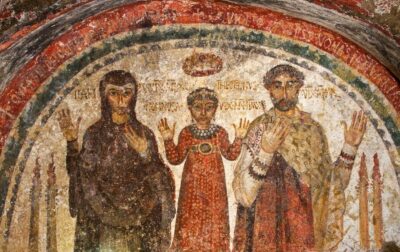
Catacombs of San Gennaro Entry Ticket & Guided Tour
Read our review →


The Bourbon Tunnel Guided Tour with Entrance Ticket
Read our review →
Authentic Naples Street Food Tour With Local Expert Guide
Read our review →