
Reviewed · WORKSHOPS
Master the Art of Naples Pizza – Hands-On Class with Tastings
Naples pizza is less about piling on toppings and more about getting a few simple things right: the dough, the leavening, the San Marzano tomatoes, and the fierce heat of the oven. This hands-on class lets you make a Margherita or Marinara, then eat it fresh.
I like the appetizer spread, with bruschetta, crocchè, and wine or beer before the lesson begins. I also like the small maximum group of 15, which gives the instructor room to help, even when children are taking part.
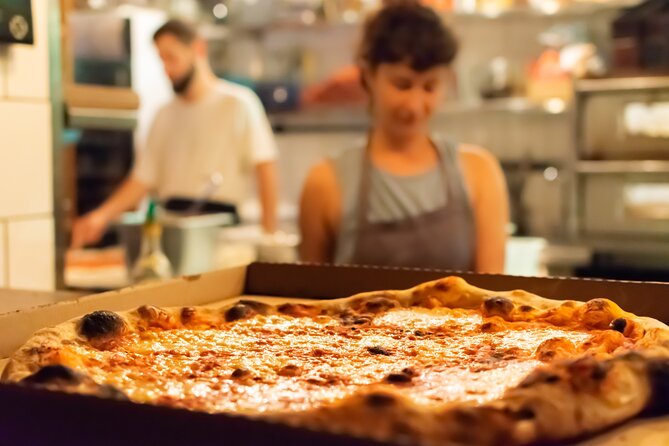
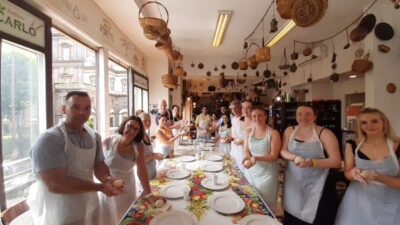
The main caution is the setting. Some sessions take place in a plain downstairs or warehouse-style room with folding tables, limited light, and no air conditioning. That matters in hot weather, and it may not match the polished kitchen shown in promotional photos.
Key points at a glance
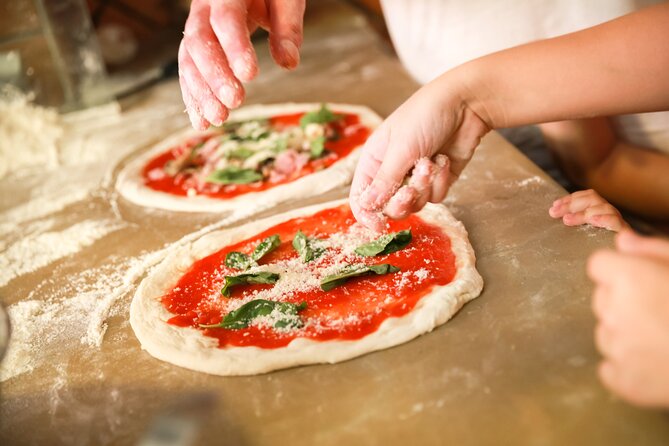
- You make your own Margherita or Marinara: San Marzano tomatoes, mozzarella fior di latte, basil, salt, and extra-virgin olive oil are the central ingredients.
- The class begins with food: Bruschetta and crocchè are served with wine or beer before the pizza lesson.
- Named instructors vary: Mario, Antonio, Anthony, Giuseppe, and Sam have led sessions, with humor and clear explanations often part of the teaching style.
- The setting can be basic: The activity is held at Via delle Zite, 30, and some classes use a cool but unfinished downstairs space rather than a formal cooking school.
- It works well for families: Children aged 2, 4, and 7 have taken part, and teenagers have enjoyed it too.
- Plan around the clock: The class lasts about 2 hours and 30 minutes, but a schedule change of two hours has occurred, so avoid booking it immediately before something fixed.
Making real Neapolitan pizza, not just decorating dough
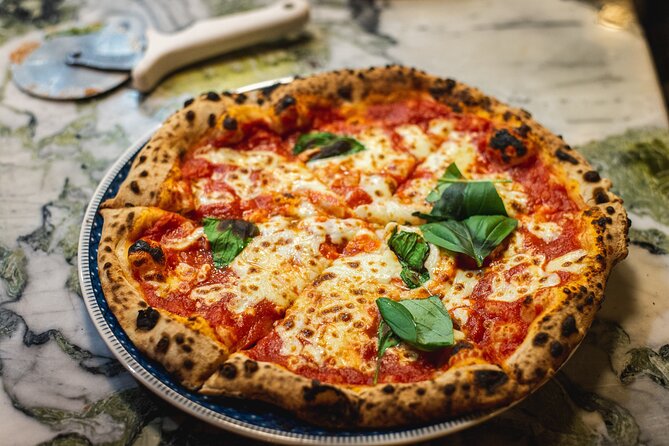
This class focuses on the parts of pizza that are easy to overlook. You are not simply spreading sauce over a ready-made base. The lesson covers the dough, the leavening, the baking, and the reason each step affects the final texture and flavor.
That is useful in Naples, where pizza is part of the city’s daily food culture rather than a special-occasion dish. The recipe is simple enough to repeat at home, but the technique takes care. You learn why the dough needs time, how the ingredients work together, and how a short ingredient list can still produce a distinctive pizza.
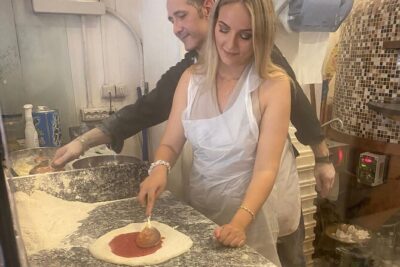
Your finished pizza is either a Pizza Margherita or a Pizza Marinara. Margherita uses San Marzano tomatoes, mozzarella fior di latte, fresh basil, salt, and extra-virgin olive oil. Marinara is the simpler choice, without mozzarella, and lets the tomato, seasoning, and dough do more of the work.
The precise class format can vary by instructor. Names connected with the sessions include Mario, Antonio, Anthony, Giuseppe, and Sam. The strongest teaching style seems to be friendly and hands-on, with jokes mixed into explanations of Neapolitan traditions.
A few more Naples outings worth a look
- Naples: Pizza-Making Workshop with Drink and Appetizer
★ 4.9 · 5,411 reviews - Authentic Pizza Making Class in Naples with Appetizers and Drink
★ 5.0 · 3,178 reviews - Naples: Pasta Making Class with Starter and Drink
★ 4.9 · 1,060 reviews
Starting at Via delle Zite, 30
The meeting point is Via delle Zite, 30, 80139 Napoli, and the activity ends there. The location is near public transportation, which helps if you are staying in central Naples or arriving from another part of the city.
One family found it easy to reach on foot from the cruise port, taking about 15 to 20 minutes. That makes the class a possible shore-day activity, but I would leave a generous time cushion. You need to allow for getting off the ship, finding the address, and returning before any required departure time.
The surrounding area is part of the everyday Naples city scene, not an isolated resort-style venue. The restaurant has an upstairs dining area, while the class may take place downstairs. That arrangement gives the lesson a working-restaurant connection, though it is not the same as taking a course in a purpose-built culinary studio.
Because the meeting point is an address rather than a major landmark, save it before leaving your hotel or ship. A mobile ticket is provided, and confirmation arrives when you book.
Bruschetta, crocchè, and a drink before the lesson
The food starts before you make pizza. You receive bruschetta and typical crocchè, served with wine or beer.
Crocchè are a familiar Neapolitan snack, generally made from seasoned potato and fried until crisp. Here, they give you a taste of local cooking before you begin working with dough. The bruschetta adds a lighter first bite, while the drink makes the opening portion feel more like a meal than a classroom introduction.
This starter is a real part of the value. At $82.82 per person, you are paying for instruction, ingredients, food, and roughly two and a half hours of organized time. The appetizer means you are not waiting hungry for your pizza to bake, and it gives you something to share while the group gathers.
If you are comparing this class with a simple pizza lunch, the price is not low. The difference is that you are paying for the lesson and the participation, not just for a plate brought to your table. If you only want to eat a Neapolitan pizza, a pizzeria will cost less. If you want to understand how it is made and try the process yourself, the calculation is more favorable.
Working with the dough and leavening
The heart of the class is the dough. The instructors explain the method used for a traditional Neapolitan pizza and show you how the dough is prepared and shaped.
The provided details do not specify a fixed recipe with exact weights or a complete timetable for fermentation, so you should not expect a full professional bakery course. You will, however, learn why leavening matters and how it contributes to the finished pizza. That is one of the most useful lessons to take home, since the same toppings can taste very different when the dough is heavy, dry, or poorly baked.
The class is designed for participation rather than observation. You work through the preparation and make your own pizza. This is particularly helpful if you have tried making pizza at home and ended up with a thick center or a stiff crust.
The instructors also connect technique with local tradition. Anthony, for example, has been described as explaining the history and customs behind Neapolitan pizza, while Mario has been praised for showing why the method matters. The exact person leading your class is not guaranteed, but the teaching is intended to include both practical steps and cultural context.
Same city, an entirely different sort of day:
- From Naples: Pompeii Ruins & Mount Vesuvius Day Tour
★ 4.3 · 11,459 reviews - From Naples: Sorrento, Positano and Amalfi Full-Day Tour
★ 4.6 · 10,988 reviews - From Naples: Sorrento, Positano & Amalfi Coast – Small Group Tour
★ 5.0 · 8,643 reviews - Naples: Catacombs of San Gennaro Entry Ticket & Guided Tour
★ 4.6 · 7,941 reviews
Choosing between Margherita and Marinara
The recipe keeps the spotlight on classic Naples rather than offering a long list of toppings. You choose between Margherita and Marinara.
Margherita is the familiar option, with tomato, fior di latte mozzarella, basil, salt, and olive oil. It gives you the full combination of creamy cheese, fresh herb, tomato acidity, and seasoned dough.
Marinara is more restrained. It has no mozzarella, so the tomato and dough become even more important. If you like a less rich pizza or want to focus on the base itself, Marinara is a good choice.
The ingredients are not decorative extras. San Marzano tomatoes, fresh basil, and extra-virgin olive oil are specifically part of the preparation. The lesson explains how topping choices and baking affect the final result.
After you assemble the pizza, restaurant staff bake it for you. That detail is worth noting. You take part in the preparation, but the final oven work may be handled by the restaurant team rather than by each participant. This is sensible for safety and consistency, though anyone hoping to operate a professional pizza oven should adjust expectations.
A friendly class for families and mixed groups
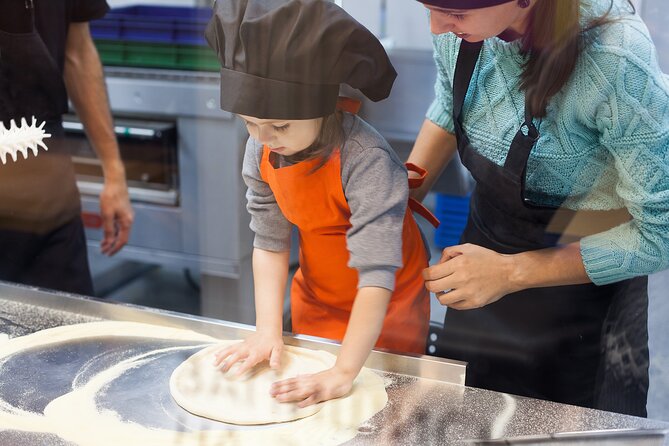
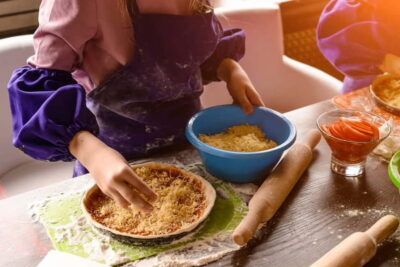
This is one of the better food activities for a mixed-age group. Children as young as 2, 4, and 7 have taken part, and the staff have been praised for helping small children. Teenagers also have enough to do to stay involved, especially when they can shape and top their own pizza.
Adults do not get pushed aside. The class includes real instruction about dough, ingredients, leavening, and baking, so it is not only a children’s entertainment activity.
The group limit is 15 people. That is not an intimate private lesson, but it is small enough for the chef to move around and offer help. Larger groups can make a cooking class feel like a demonstration, while this format allows more personal involvement.
The atmosphere depends heavily on the instructor. Giuseppe has been described as welcoming and interactive. Antonio has been praised for clear explanations and an engaging manner. Mario is often associated with humor and patient guidance, while Sam has led a small group through the process with both education and wit.
The guide may speak in both English and Italian. The activity is offered in English, but you should expect some Italian during a class rooted in local food culture. If you need every instruction repeated in English, it is sensible to ask the guide for clarification as you work.
The room may be less polished than expected
This is the clearest weakness to consider before booking. The class does not always take place in a bright, modern teaching kitchen.
One session was held in a large downstairs or warehouse-style area with improvised folding tables, poor light, several classes taking place at once, and no air conditioning. The room was described as cool at one time of year, but the lack of air conditioning became a serious problem during warmer conditions.
That criticism does not cancel out the strengths of the food or instruction, but it changes the kind of experience you are buying. You should picture a practical restaurant work area, not a glossy cooking studio.
Naples can be hot, particularly in summer. If you are sensitive to heat, ask about the current room and ventilation before you commit, though the available information does not promise a particular layout. Wear comfortable clothing and avoid scheduling the class when you will already be tired from a long, hot day.
The atmosphere may also be shared with other classes. That can create a lively group setting, but it may reduce the sense of personal attention. The maximum group size of 15 helps, yet the whole venue may still feel busy if more than one activity is running.
Timing, language, and schedule planning
The class takes about 2 hours and 30 minutes. That is long enough for an appetizer, instruction, preparation, baking, and eating without turning the activity into an all-day commitment.
I would not put it between two tight reservations. A schedule change of two hours has occurred, and no explanation was provided at the time. That does not mean every booking will shift, but it is a practical warning if you have a cruise departure, train, museum entry, or dinner reservation that cannot move.
The activity is booked an average of 16 days ahead. You may find availability closer to your date, but that booking pattern suggests reserving in advance is wise during busy periods.
The cancellation policy is forgiving if you plan carefully. You can cancel for a full refund up to 24 hours before the start time. Changes or cancellations inside that window are not accepted for a refund, and the experience may also be canceled if its minimum number is not reached. In that case, you are offered another date or activity, or a full refund.
Is $82.82 a fair price?
At $82.82 per person, this is not a bargain meal. It is a food lesson with a meal included.
The price makes more sense if you value the following:
- A hands-on class rather than a restaurant meal
- A traditional Margherita or Marinara recipe
- Appetizers and wine or beer before the pizza
- An English-offered activity with local instructors
- A family-friendly way to spend about half a day
- Ideas you can try again in your own kitchen
The value is weaker if you mainly want to eat pizza in a comfortable, air-conditioned room. In that case, a respected Naples pizzeria is likely to give you more food for less money, without the risk of a plain classroom setting.
The strongest part of the price is the instruction. You leave with a better sense of what makes Neapolitan pizza different from ordinary homemade pizza. The weaker part is the variable venue. You are paying a premium for the class, but the surroundings may feel improvised.
Who should book this Naples pizza class?
I would recommend it to families, couples, first-time visitors who want a food-centered activity, and anyone who enjoys learning by doing. It is especially good for a group with different ages, since children can participate while adults get useful technique and background.
It also works well after a morning of sightseeing, when you want a relaxed activity with food built in. The cruise port location is practical, but only if you leave enough time for delays.
I would hesitate if you dislike warm rooms, need a polished culinary school, or have a rigid schedule. I would also think twice if your main goal is to eat the best possible pizza in Naples rather than learn how to make it.
The instructor is likely to shape your day as much as the room does. Mario, Antonio, Anthony, Giuseppe, and Sam have all been associated with strong sessions, but the assigned guide can vary. The available ratings are high overall, at 4.6 out of 5, with 91 percent recommending the activity, but isolated problems have included a poor room setup and one serious no-show incident that ended with a refund.
Should you book it?
Book this class if you want a participatory Naples food experience and can accept a casual, sometimes basic venue. The appetizers, family-friendly teaching, classic recipes, and enthusiastic instructors give it plenty of appeal.
Skip it if air conditioning, a formal kitchen, or exact schedule control matters more to you than learning the craft. Before paying, check the start time, allow extra travel time, and remember that the final pizza baking may be done by the restaurant staff. For the right person, this is a tasty lesson you can repeat long after Naples is behind you.
FAQ
Where does the pizza class meet?
The meeting point is Via delle Zite, 30, 80139 Napoli, Italy. The activity ends back at the meeting point.
How long does the activity last?
The class lasts approximately 2 hours and 30 minutes.
How much does the class cost?
The listed price is $82.82 per person.
What pizza will I make?
You will make either a traditional Pizza Margherita or Pizza Marinara. The recipe uses San Marzano tomatoes, and the Margherita includes mozzarella fior di latte, fresh basil, salt, and extra-virgin olive oil.
Is food included before the pizza lesson?
Yes. The starter includes bruschetta and typical crocchè, served with wine or beer.
Is the class offered in English?
Yes, the activity is offered in English. The guide may speak both English and Italian during the class.
How many people can join the class?
The activity has a maximum of 15 travelers.
Is the class suitable for children?
Yes. The activity has been enjoyed by groups that included teenagers and young children aged 2, 4, and 7.
Can I cancel for a refund?
You can cancel up to 24 hours before the experience starts for a full refund. Cancellations or changes made less than 24 hours before the start time are not refunded or accepted.
Just added around Naples
- Naples: Guided Walking Tour★ 4.7 · 63 reviews
- Wine tasting in the Vesuvius National Park★ 3.5 · 4 reviews
- Naples: Pompeii and Vesuvius Skip-the-Line Day Trip★ 3.8 · 32 reviews
- Visit the Museum MANN with a professional guide★ 5.0 · 3 reviews
- Walking-tour of Naples hystorical Centre★ 4.4 · 4 reviews
- Pompeii: Vesuvius at Sunset★ 3.5 · 31 reviews
- Vesuvius – Herculaneum – Pompeii Excavations Tour★ 4.2 · 9 reviews
- Vesuvius and Herculaneum from Naples★ 3.7 · 29 reviews
Workshops, compared.

Pizza-Making Workshop with Drink and Appetizer
Read our review →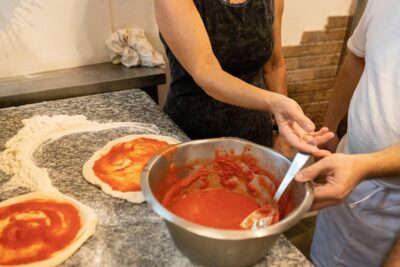
Authentic Pizza Making Class in Naples with Appetizers and Drink
Read our review →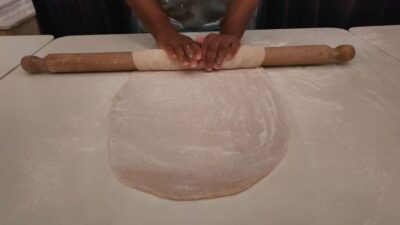
Naples Pasta Class: Fettuccine & Ravioli with Grandma’s Recipe
Read our review →
Browse the lists this tour appears in