
Reviewed · CAMPI FLEGREI TOURS FROM NAPLES
Snorkeling among the Submerged Archaeological Finds of Baia da Napoli
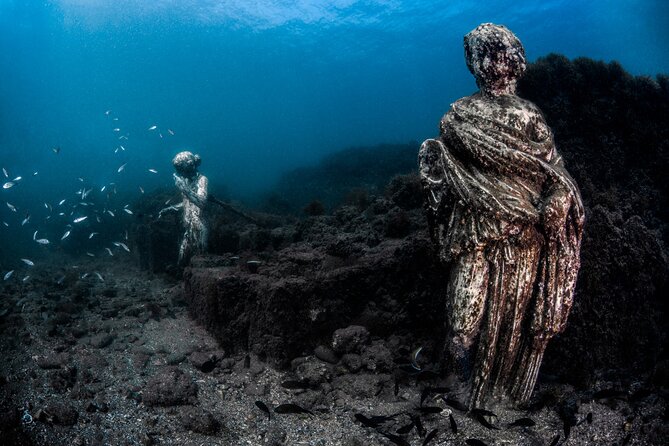
Baia’s Roman ruins are not behind glass or roped off on dry land. They sit beneath the Bay of Naples, where you can see mosaics, statues, and columns underwater during two short scuba sessions. The boat ride from the dock takes only a few minutes, and the reported maximum depth is about 20 feet, making this a gentle introduction for many beginners.
I like the tiny group size, capped at four people, and the patient instruction from guides such as Carlo and Alex. I also like the mix of archaeology and sea life: you may spot a vase, sections of the old city wall, marble pieces, and fish in the same outing. The main drawback is simple: this is not a dry, museum-style visit, so you need to be comfortable in the water and accept that visibility and weather can affect what you see.
Key points at a glance
- Two underwater sites: You visit two separate areas of Baia’s submerged archaeological park rather than viewing one ruin from a single position.
- Shallow water: The maximum reported depth is about 20 feet, with one underwater session lasting 39 minutes in a family outing.
- Beginner-friendly instruction: First-time scuba participants receive an overview and patient guidance before entering the water.
- Small group of four: A maximum of four people allows close attention from the guide.
- Roman remains and sea life: Expect mosaics, frescos, statues, marble, columns, a vase, city-wall fragments, and fish.
- Naples transport costs extra: Pickup is offered, but an air-conditioned vehicle costs 65 euros from Naples and is paid directly to the driver.
Why Baia’s ruins are best seen from the water
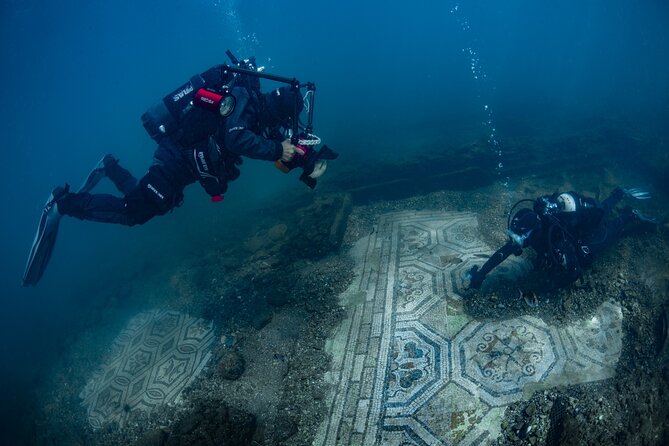
Baia was once a favored Roman resort area on the Bay of Naples. Parts of the ancient settlement later sank beneath the sea, leaving archaeological remains spread across the underwater park. Here, the water is not simply scenery around the ruins. It is the setting that preserved and now frames them.
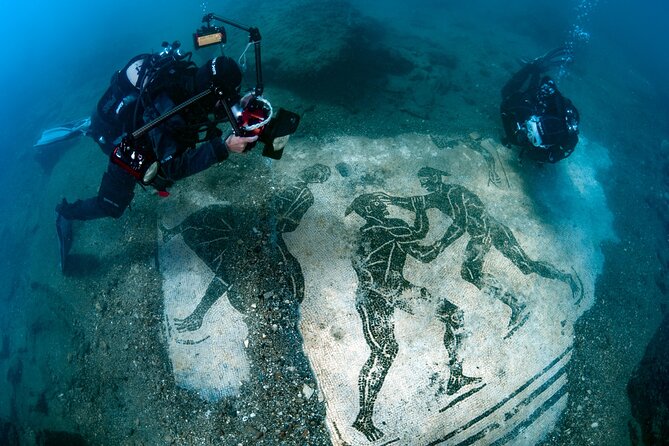
That changes the way you read the site. A mosaic is not presented as a flat panel on a museum wall. You may see it resting on the seabed, with water moving above it and small fish passing nearby. A column or statue fragment appears as part of a former Roman setting, not as an isolated object in a display case.
The supplied details describe the experience as snorkeling, but they also specify scuba equipment and two dives. In practical terms, you should treat this as a guided scuba outing, not a casual mask-and-fins swim. If you have never used scuba equipment, the instruction matters. You will need to listen carefully, follow the guide, and stay calm while breathing underwater.
The reward is a rare combination of history and direct access. You are not only looking at Roman remains. You are moving slowly around them at close range, with the guide explaining the site before the underwater sessions begin.
More Campi Flegrei tours:
- Try Scuba Diving and Underwater Roman Ruins in Baia from Naples
★ 4.5 · 66 reviews - Private car tour among the treasures of the Phlegraean Fields of Naples.
★ 5.0 · 47 reviews - Naples And Campi Flegrei Bike Tour
★ 5.0 · 9 reviews
A four-hour outing with two underwater sites
The full experience lasts about four hours. That gives you time for preparation, an explanation of the archaeological area, boat transfers, and two underwater sessions at different points in Baia’s park.
The exact order of the stops is not supplied, so you should not expect a fixed list of named monuments. The important point is that the outing includes two separate sites. That variety helps you see more than one portion of the submerged settlement and gives the day a clear rhythm: prepare, visit the first area, return or reposition, then explore a second location.
Before entering the water, the instructors explain the history and layout of the archaeological site. This briefing is especially useful for first-time participants. Underwater ruins can be hard to interpret when you are looking through a mask, and a short explanation gives you a framework for what to notice.
At the first site, you may see Roman decorative work and architectural fragments. The reported sights include mosaics and frescos, along with statues and columns. The underwater setting can make details harder to see than they would be on land, but it also gives the remains their unusual character.
The second site adds another layer to the outing. Depending on visibility and your position in the group, you may encounter pieces such as marble, a vase, or part of the old city wall. Sea life is part of the view too, so the scene is never purely archaeological.
One reported family outing had a maximum depth of 20 feet and a longest underwater session of 39 minutes. Those figures give you a useful sense of scale. This is not a demanding expedition into deep water. It is a shallow, controlled visit where the guide stays with you.
What the underwater archaeology feels like
The most compelling part of this experience is the change in scale. Roman history can sometimes feel remote when you see it in a crowded city museum. At Baia, the remains are scattered across an actual former settlement, and you approach them with your own mask in the water.
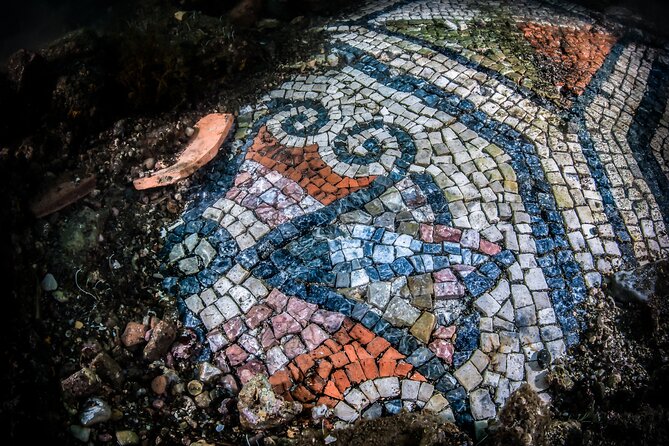
Mosaics are likely to attract your attention first. Their patterns can be difficult to see clearly through moving water, so do not expect every detail to appear as sharply as it would in a restored indoor display. Still, the sight of a Roman floor beneath the sea is the point. It connects the object to the place where it once belonged.
Frescos, statues, marble pieces, and columns offer different clues about the old town. A fragment may not be immediately obvious, which is why the guide’s explanation before the session is valuable. Alex and Carlo are named among the guides associated with the experience, and the available accounts describe the instructors as patient, encouraging, and able to explain the site in English.
The presence of fish adds life to the ruins. You might see sea life moving around the stonework, a pleasant reminder that this is a marine park rather than a recreated Roman set. Bring a waterproof camera if you have one, but keep your attention on the guide and the site first. Underwater photography can easily distract you from the short time available at each location.
Because the sites are shallow, this outing may suit people who feel uneasy about depth but still want to try scuba. That does not mean you can ignore the water conditions. You still need to be comfortable wearing scuba equipment and following instructions below the surface.
Patient instruction for first-time scuba participants
The experience is suitable for many beginners, including people with no prior scuba background, according to the supplied information. The instructors provide an overview before the session, and the guide remains with the group underwater.
That support is one of the strongest reasons to consider booking. A first scuba outing can feel like a lot to manage: breathing equipment, mask, movement, communication, and awareness of the group. A patient instructor can make the difference between enjoying the ruins and spending the whole time feeling tense.
Carlo is specifically praised for his English, humor, and calm personality. Alex is also singled out for being helpful and for teaching the basics. Those personal details matter because you are not signing up for an unguided swim. The guide is part instructor, part site interpreter, and part safety presence.
Still, beginner-friendly does not mean effortless. You should be ready to pay close attention during the briefing and tell the instructor if you feel uncomfortable. The most enjoyable approach is to treat the first session as an adjustment period. Once you are used to the equipment, you can spend more of your attention on the Roman remains.
The maximum group size is four people. That is a real advantage over a large boat outing, especially for a first attempt. With fewer people in the water, the guide can keep the group together and give more direct help.
A few more Naples outings worth a look
- Argo Nautical Excursions – Tour of the Gulf of Naples with Snorkeling
★ 5.0 · 104 reviews - Napoli: Myths & Legends Cruise with Snorkeling
★ 4.9 · 91 reviews - Naples: Castel dell’Ovo Boat Tour with Snorkeling & Aperitif
★ 4.7 · 69 reviews
The boat ride and transport from Naples
The boat ride from the dock to the archaeological area takes only a few minutes. That keeps the focus on the underwater park rather than turning the day into a long cruise.
Pickup is offered, but the air-conditioned vehicle from Naples costs 65 euros and is paid directly to the driver. The advertised price of $126.71 per person includes scuba equipment, bottled water, and all fees and taxes, but not that vehicle cost.
This distinction matters when you compare the outing with other Naples activities. For one person, the added road transfer can change the total price substantially. For a small party sharing the 65-euro vehicle cost, it may feel more reasonable. Ask yourself whether the convenience of pickup is worth the extra charge, particularly if you are already staying near the launch point.
The outing is offered in English, which helps if you want the archaeological explanation and equipment instructions in that language. Confirmation arrives at booking, and the tour is normally reserved well ahead, with an average booking lead time of 34 days. If your Naples schedule is tight, plan this activity before your free time disappears.
Is $126.71 a fair price?
At $126.71 per person, the price is not a casual add-on, but it covers more than access to a historic site. You are paying for scuba equipment, bottled water, the boat-based experience, instruction, two underwater locations, and the listed fees and taxes.
The value is strongest if you care about both archaeology and a small, guided water activity. The group limit of four is important here. You are not paying for a crowded mass outing where the guide must divide attention among dozens of people.
The cost is less attractive if you only want to see Roman ruins and would rather stay dry. Naples and the surrounding area offer many land-based historic sites, and this experience requires extra preparation, water confidence, and a separate transport charge from Naples.
I would also factor in the weather policy. The activity requires good weather, and poor conditions can lead to a new date or a full refund. That protects you financially, but it can still disrupt a short visit if you have no spare day. Avoid placing it on the final morning of your trip if possible.
Who will enjoy this most
This outing is a good match for you if:
- You want archaeology presented in an unusual setting.
- You have scuba experience and want a short, shallow historical outing.
- You are a beginner who values close instruction and a small group.
- You are traveling with up to three companions and prefer a private-feeling experience.
- You enjoy combining a cultural visit with time in the water.
- You are willing to pay extra for transport from Naples.
It may not suit you if you dislike scuba equipment, are uncomfortable in the water, or want a fully predictable sightseeing schedule. Visibility and weather matter, and underwater remains never read as clearly as objects on dry land.
The experience can work well for families with older children or teenagers, provided everyone in the group can participate in the water activity. One reported outing included an 18-year-old first-time participant who found the shallow setting comfortable. The available information does not give a minimum age, so check that point before booking for younger children.
Practical advice before you reserve
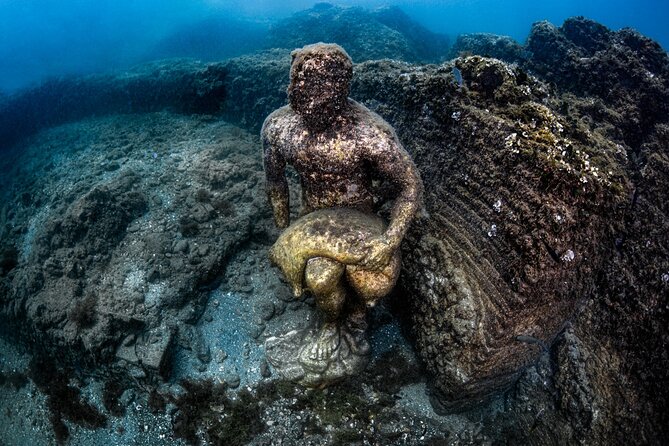
Bring a waterproof camera if you have one, but do not let photography take over. The underwater time is limited, and the best images depend on visibility, your comfort with the equipment, and your ability to stay near the guide.
Wear what you normally need for a water activity, and expect to spend much of the four-hour period moving between preparation, boat travel, and the two sites. Bottled water is included, but the supplied details do not promise meals, snacks, or additional sightseeing.
Allow extra money for the 65-euro air-conditioned vehicle from Naples if you use the pickup option. Since the charge is paid directly to the driver, include it in your planning rather than treating the advertised per-person price as the full door-to-door cost.
Keep your schedule flexible around the weather. You can cancel for a full refund up to 24 hours before the start time. Changes or cancellations inside that 24-hour window are not refunded, and poor weather may result in a different date or a full refund.
Should you book the Baia underwater ruins outing?
Book it if the idea of seeing Roman mosaics, statues, columns, and sea life from the water feels more exciting than visiting another indoor museum. The shallow depth, four-person limit, patient instruction, and English-speaking guides such as Carlo and Alex make it a sensible choice for many first-time scuba participants.
Skip it if you want a low-effort sightseeing stop, need a fixed rain-or-shine schedule, or dislike the added 65-euro transport cost from Naples. For the right person, though, this is a memorable way to meet Roman history at close range, with the sea forming part of the story rather than merely providing a backdrop.
FAQ
How long does the Baia underwater archaeology experience last?
The experience lasts approximately four hours.
How many underwater sessions are included?
You visit two different underwater sites, with two dives included.
What can I see beneath the water?
You may see Roman mosaics, frescos, statues, columns, marble, a vase, sections of the old city wall, and sea life.
How deep is the water?
The maximum depth reported for one outing was about 20 feet.
Can beginners participate?
Most people can participate, and first-time scuba participants receive instruction and encouragement. The guide remains with the group during the underwater sessions.
How many people are in each group?
The activity has a maximum of four participants.
Is transportation from Naples included?
Pickup is offered, but the air-conditioned vehicle from Naples costs 65 euros and is paid directly to the driver.
What is included in the $126.71 price?
The price includes scuba equipment, bottled water, and all fees and taxes. It does not include the vehicle from Naples.
What happens if the weather is poor?
If poor weather causes cancellation, you will be offered a different date or a full refund. You can also cancel up to 24 hours before the start time for a full refund.
Just added around Naples
- Naples: Guided Walking Tour★ 4.7 · 63 reviews
- Wine tasting in the Vesuvius National Park★ 3.5 · 4 reviews
- Naples: Pompeii and Vesuvius Skip-the-Line Day Trip★ 3.8 · 32 reviews
- Visit the Museum MANN with a professional guide★ 5.0 · 3 reviews
- Walking-tour of Naples hystorical Centre★ 4.4 · 4 reviews
- Vesuvius – Herculaneum – Pompeii Excavations Tour★ 4.2 · 9 reviews
- Pompeii: Vesuvius at Sunset★ 3.5 · 31 reviews
- Vesuvius and Herculaneum from Naples★ 3.7 · 29 reviews
Campi Flegrei Tours from Naples, compared.
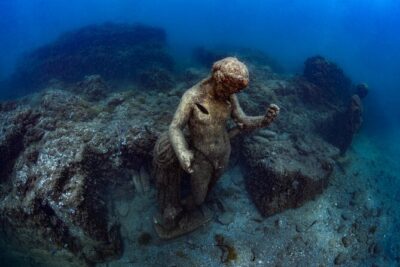
Try Scuba Diving and Underwater Roman Ruins in Baia from Naples
Read our review →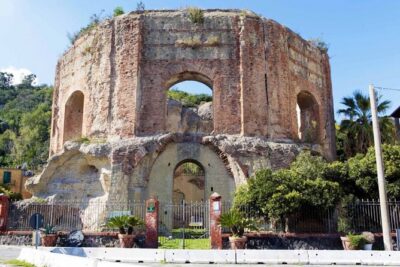
Private car tour among the treasures of the Phlegraean Fields of Naples.
Read our review →


The Phlegrean Fields Discover the ruins of Baia, Cuma and Pozzuoli
Read our review →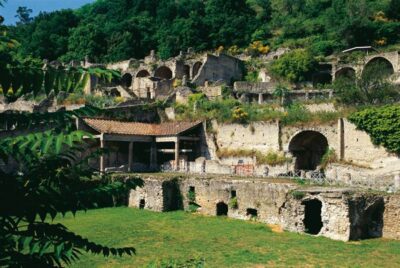
Phlegraean Fields: Cuma Baia and Pozzuoli private excursion
Read our review →
Private Tour from Naples to Phlegrean Fields, Pozzuoli, and Cuma
Read our review →
Browse the lists this tour appears in