
Reviewed · CAMPI FLEGREI TOURS FROM NAPLES
Phlegraean Fields: Cuma Baia and Pozzuoli private excursion
The Phlegraean Fields begin where Naples runs out of breath. Here, extinct and dormant volcanoes shape the coast, Roman ruins sit beside modern streets, and entire ancient sites have slipped below the sea. This private day visits the best-known corners, from the volcanic lake of Averno to the Greek ruins of Cumae and the Roman cistern at Piscina Mirabilis.
I like the private format, which gives you a guide and vehicle for your own group instead of sending you through the area on a fixed public bus. I also like the range of places covered: the Macellum of Pozzuoli, Baiae, Cumae, Bacoli, and several volcanic lakes offer a much broader picture than a single archaeological stop.
The main consideration is the price, $558.97 per person. That is a serious outlay, but it includes private transportation, a guide, skip-the-line admission, and pickup from Naples, Sorrento, or Salerno. You should also check opening days carefully, since several major sites close on different weekdays.
Key points at a glance
- Volcanic Averno, Fusaro, and Miseno: See three lakes shaped by the region’s volcanic past.
- Cumae’s Sybil cave: Visit the ruined Greek city and its famous sanctuary on the Tyrrhenian coast.
- Pozzuoli’s Macellum: Examine the Roman market and its columns, marked by the area’s slow ground movement.
- Baiae above and below the water: See Roman temples and visit the Museum of the Phlegrean Fields in an Aragonese fortress.
- Piscina Mirabilis: Enter one of the largest Roman cisterns, built to supply the fleet at ancient Misenum.
- Massimo and Giovanni: The guide Massimo is singled out for his detailed explanations, while driver Giovanni is praised for careful driving in difficult traffic.
Why the Phlegraean Fields make a strong day trip
Naples has no shortage of famous sights, but the Phlegraean Fields feel different from the city center. The Campi Flegrei are a broad volcanic zone west of Naples, not one neatly contained archaeological park. Roads, towns, lakes, ruins, and museums all share the same setting.
The ground here has risen and fallen over centuries, a process called bradyseism. You see its effects most clearly at Pozzuoli, where ancient Roman columns carry holes made by marine molluscs. The columns were once below water, then exposed again as the ground shifted.
I find this connection between geology and archaeology especially useful. You are not simply checking off ruins. The earth itself helps explain why temples, markets, harbors, and seaside villas look the way they do today.
The excursion lasts eight hours, so expect a full day with several stops rather than a slow visit to one site. A private Mercedes S-Class sedan, van, or minivan handles the transfers. Pickup and drop-off are available in Naples, Sorrento, or Salerno, provided you give the exact location in advance.
More Campi Flegrei tours:
- Snorkeling among the Submerged Archaeological Finds of Baia da Napoli
★ 5.0 · 72 reviews - Try Scuba Diving and Underwater Roman Ruins in Baia from Naples
★ 4.5 · 66 reviews - Private car tour among the treasures of the Phlegraean Fields of Naples.
★ 5.0 · 47 reviews
Pozzuoli and the Macellum of Serapis
Pozzuoli was the Roman colony of Puteoli, a major port with connections across the Mediterranean. The former market, often called the Temple of Serapis, is the clearest stop for understanding the area’s restless ground.
The site was excavated in the 18th century after a statue of Serapis was found. The surviving columns are particularly striking because their lower sections contain rows of mollusc holes. Those marks show that the structure spent time partly submerged, a physical record of bradyseism rather than a mere explanation in a guidebook.
Your guide can help you read the ruins as evidence. Without that context, you might see only a few columns and broken walls. With it, the site becomes a record of changing sea levels and ground movement.
Pay close attention to the opening schedule. The Macellum is closed Monday, Tuesday, Wednesday, and Friday. It is open Thursday, Saturday, and Sunday. If this is a must-see stop, plan your day around those days rather than assuming every archaeological site follows the same schedule.
Cumae and the cave of the Sibyl
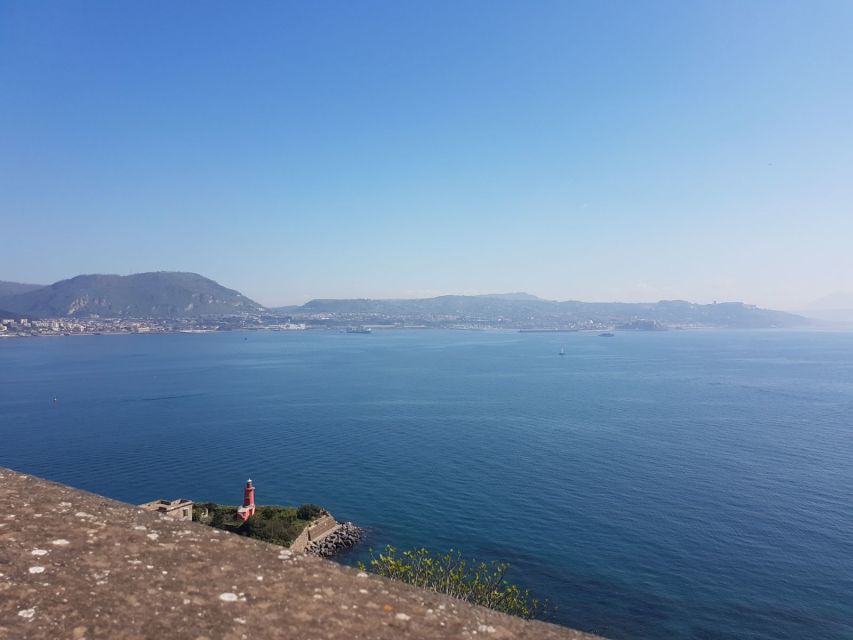
Cumae was founded by Greek settlers from Euboea and is described as a ruined city on the Tyrrhenian coast. Its Acropolis gives the day an older, more mythical character after the Roman remains at Pozzuoli.
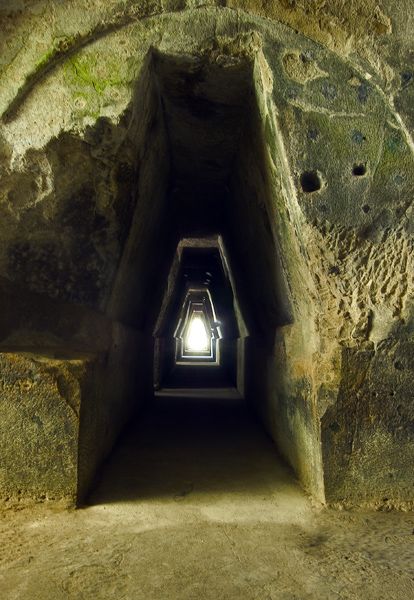
The best-known monument here is the cave sanctuary of the Sibyl. The site is tied to the prophetic figure of Cumae, and the cave is the reason many people place Cumae high on their list. You visit the archaeological area with a guide, who can connect the sanctuary to the Greek foundation and later Roman use of the city.
Cumae is closed on Tuesdays. That closure matters because the stop is not an interchangeable extra. If you want both Cumae and the Macellum, Thursday, Saturday, or Sunday is the safest choice based on the stated schedules.
You should also expect ancient ruins rather than a polished city museum. Cumae’s appeal comes from its setting, age, and connection to Greek and Roman religious traditions. If you prefer intact interiors and large collections, Baiae’s museum may hold your attention longer. If you like places where history feels exposed and incomplete, Cumae may be the most memorable stop.
Baiae, the Roman resort beneath the sea
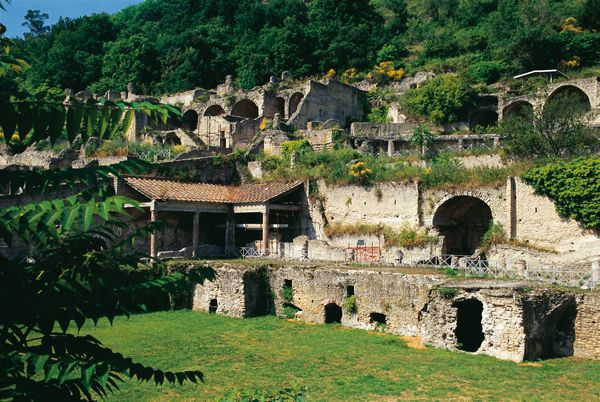
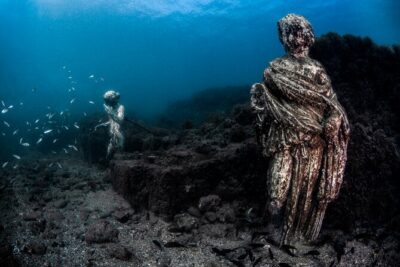
Baiae was a Roman seaside resort known for luxury and leisure. Much of the ancient site now lies underwater, a result of the same volcanic ground movement that shapes the rest of the Phlegraean Fields.
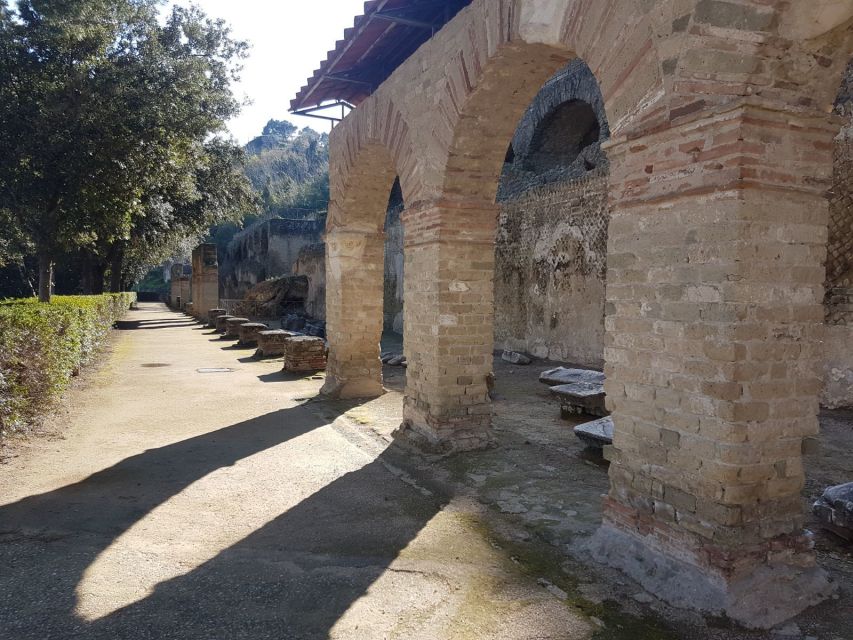
Above ground, you see remains associated with temples to Venus, Diana, and Mercury. The names reflect the importance and scale of the resort, even though the ruins are not presented as a fully preserved ancient town.
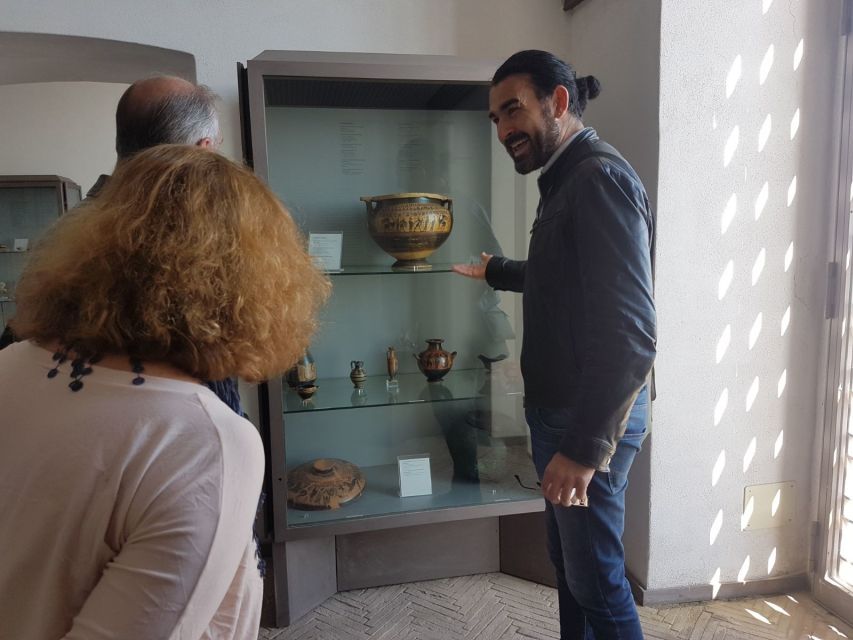
The visit also includes the Museum of the Phlegrean Fields in an Aragonese fortress. This combination works well: the ruins show you the ancient resort in place, while the fortress museum provides a more organized setting for the area’s archaeological material.
The Baiae Thermal Baths and Museum are closed on Mondays. Check the date before booking, especially if your schedule leaves only one possible day for the excursion.
Baiae is also a good reason to choose a private vehicle. The sites are spread around the Phlegraean Fields, and the day includes several separate stops. You avoid building your own route through an area where the attractions are connected by roads rather than by one simple walking path.
A few more Naples outings worth a look
- From Naples: Pompeii Ruins & Mount Vesuvius Day Tour
★ 4.3 · 11,459 reviews - From Naples: Sorrento, Positano and Amalfi Full-Day Tour
★ 4.6 · 10,988 reviews - From Naples: Sorrento, Positano & Amalfi Coast – Small Group Tour
★ 5.0 · 8,643 reviews - Naples: Catacombs of San Gennaro Entry Ticket & Guided Tour
★ 4.6 · 7,941 reviews
Bacoli and the Piscina Mirabilis
Bacoli includes one of the day’s most unusual Roman structures, the Piscina Mirabilis. This enormous cistern served ancient Misenum, known as the home of the largest base of the Roman navy.
A cistern is not a glamorous monument, but this one shows the practical side of Roman engineering. Fleets, sailors, and coastal settlements needed dependable water, and Piscina Mirabilis helped supply that demand. Its scale makes the stop more than a quick look at an underground tank.
You visit the cistern with a guide, which is valuable because its purpose can be easy to miss. The structure is less immediately familiar than a temple or amphitheater, yet it explains how a major naval base could function.
The stop sits within a longer Bacoli visit that also includes the volcanic lakes of Miseno and Fusaro. This gives the day a good change of pace. After temples, markets, and ruins, you get water, volcanic terrain, and infrastructure built for daily Roman life.
Three volcanic lakes: Averno, Fusaro, and Miseno
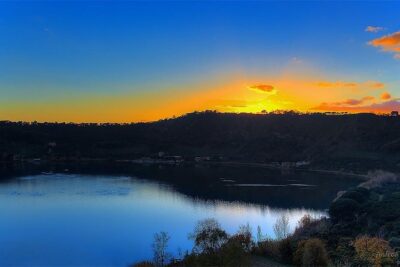
The lakes help you see why this region is called the Phlegraean Fields. Averno is a volcanic lake and one of the headline stops. Fusaro and Miseno add two more bodies of water shaped by the area’s volcanic past.
Averno has a strong place in ancient stories and gives the tour one of its most atmospheric settings. The tour description specifically highlights the chance to marvel at the lake, but it does not promise a boat ride or a long hike. You should think of this as a scenic and geological stop within a larger driving route.
Fusaro Lake appears later in the itinerary, after Piscina Mirabilis. Miseno is connected to ancient Misenum and its Roman navy. Together, the three lakes keep the day from becoming a sequence of stone ruins.
I like this balance. The tour is not only about famous archaeological names. It also shows the natural forces that created the area’s craters, lakes, raised ground, and submerged remains.
What the private format adds
The group is private, and transportation is provided by a Mercedes S-Class sedan, van, or minivan. That matters most because the stops are spread across Pozzuoli, Cuma, Baia, Bacoli, and the surrounding volcanic zone.
Pickup is available from a chosen location in Naples, Sorrento, or Salerno. The wider pickup area makes the excursion practical if you are staying outside Naples, though a distant pickup can make an already full eight-hour day feel more transfer-heavy.
The included English-speaking driver handles the route, while live guiding is available in English, Italian, Spanish, French, and German. The experience lists a guide as included, so you should have commentary at the archaeological sites rather than only transportation between them.
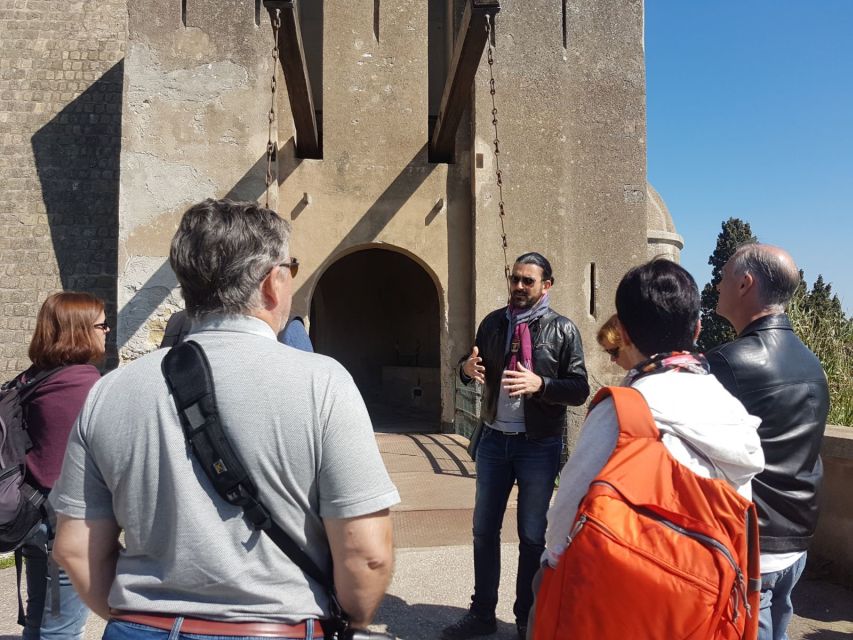
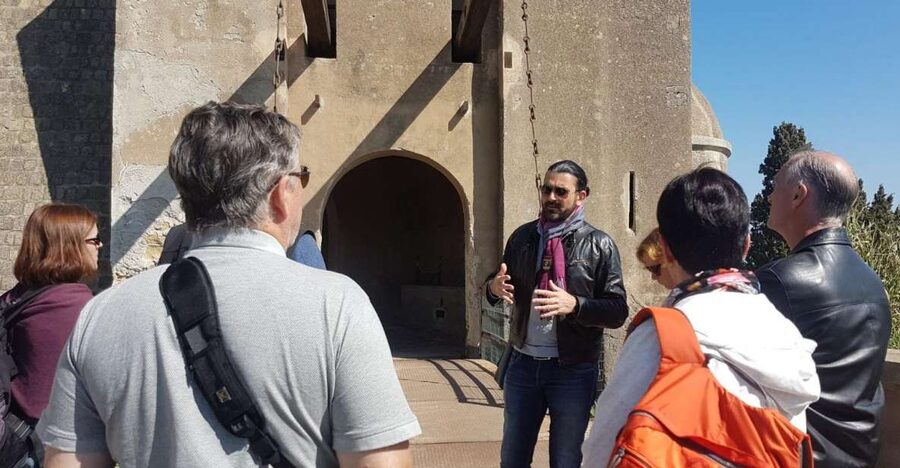
Massimo is named as the guide, and his role is one of the strongest reasons to value the tour. He is specifically praised for sharing a large amount of information without holding back his time or effort. Giovanni, the driver, is praised for driving carefully through complicated traffic and remaining attentive.
That combination is important here. The Phlegraean Fields are not a single compact ruin with an obvious route. Good interpretation helps you understand what you are seeing, while a careful driver makes the transfers less stressful.
Is $558.97 per person a fair price?
At $558.97 per person, this is not a budget excursion. The value depends heavily on your group size and priorities.
You are paying for a private group, an eight-hour vehicle service, pickup and return in three possible cities, a guide, skip-the-line admission fees, and a route that covers several separate areas. If you would otherwise hire a private driver, arrange multiple admissions, and find a guide for the archaeological sites, the cost becomes easier to justify.
The price is harder to defend if you are comfortable using public transportation, visiting only one or two locations, or traveling alone. This experience is designed for convenience and depth rather than the lowest possible cost.
Skip-the-line admission is useful at busy sites, but it does not remove the need to check closures. A ticket cannot help if the Macellum, Cumae, or Baiae museum is shut on your chosen day.
Free cancellation is available up to 24 hours before the experience, and you can reserve now and pay later. Those terms give you some flexibility, but the practical priority remains choosing a day when the sites you care about are open.
Who should book this excursion?
I would choose this day for a small private group that wants archaeology beyond Naples’ main attractions. It suits people who enjoy Roman ruins, Greek foundations, volcanic geology, and unusual engineering in one outing.
It is also a good choice if you are staying in Sorrento or Salerno and want a private route into the Phlegraean Fields without arranging your own car and driver. The language range makes it useful for groups seeking English, Italian, Spanish, French, or German guiding.
The day is less suitable if you need wheelchair access. The experience is specifically not suitable for wheelchair users, and several archaeological sites can involve uneven historic surfaces.
You should also think about your preferred pace. Eight hours with many stops gives you variety, but it does not promise long, unhurried visits at every location. The reward is breadth: you see the volcanic lakes, Pozzuoli, Cumae, Baiae, Bacoli, and Piscina Mirabilis in one carefully arranged day.
Should you book the Phlegraean Fields excursion?
Book it if you want a private, transport-inclusive day that brings together Greek Cumae, Roman Pozzuoli and Baiae, volcanic lakes, and Piscina Mirabilis. The route offers far more variety than a simple half-day ruin visit, and the guide and driver are central to its value.
Before you commit, match your date to the closures. Avoid Tuesday if Cumae is essential, avoid Monday if Baiae is essential, and choose Thursday, Saturday, or Sunday if you want the Macellum open.
The price is high, but the private vehicle, admissions, multiple pickup cities, and named guide and driver make it reasonable for a group that values ease and detailed interpretation. If that sounds like your kind of day, this is one of the better ways to see the volcanic country west of Naples.
FAQ
How long does the excursion last?
The excursion lasts eight hours, with pickup and return transportation included.
Where can pickup and drop-off take place?
Pickup and drop-off are available in Naples, Sorrento, or Salerno. You need to provide the exact pickup details.
What kind of transportation is included?
Transportation is provided by Mercedes S-Class sedan, van, or minivan, depending on the group and arrangement.
Which sites are included?
The route includes Campi Flegrei, Pozzuoli, the Macellum of Serapis, Cumae, the Archaeological Park of Baia, Bacoli, Piscina Mirabilis, and Fusaro Lake. It also includes views or visits connected with the volcanic lakes of Averno and Miseno.
Which languages are available?
Live guiding is available in English, Italian, Spanish, French, and German.
Are admission fees included?
Yes. Skip-the-line admission fees are included.
Is the excursion suitable for wheelchair users?
No. The experience is specifically listed as not suitable for wheelchair users.
Just added around Naples
- Naples: Guided Walking Tour★ 4.7 · 63 reviews
- Wine tasting in the Vesuvius National Park★ 3.5 · 4 reviews
- Naples: Pompeii and Vesuvius Skip-the-Line Day Trip★ 3.8 · 32 reviews
- Visit the Museum MANN with a professional guide★ 5.0 · 3 reviews
- Walking-tour of Naples hystorical Centre★ 4.4 · 4 reviews
- Vesuvius – Herculaneum – Pompeii Excavations Tour★ 4.2 · 9 reviews
- Pompeii: Vesuvius at Sunset★ 3.5 · 31 reviews
- Vesuvius and Herculaneum from Naples★ 3.7 · 29 reviews
Campi Flegrei Tours from Naples, compared.
Snorkeling among the Submerged Archaeological Finds of Baia da Napoli
Read our review →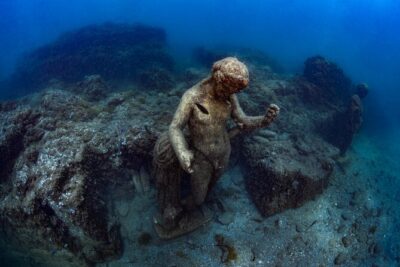
Try Scuba Diving and Underwater Roman Ruins in Baia from Naples
Read our review →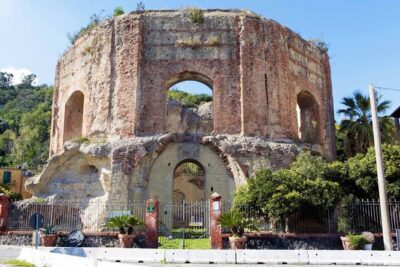
Private car tour among the treasures of the Phlegraean Fields of Naples.
Read our review →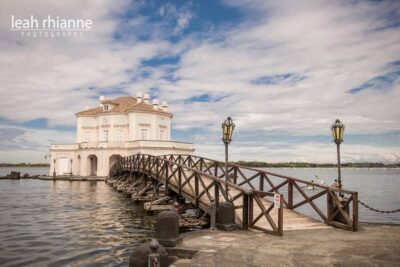
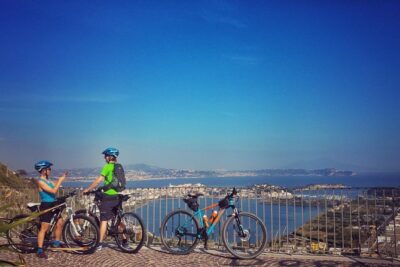
The Phlegrean Fields Discover the ruins of Baia, Cuma and Pozzuoli
Read our review →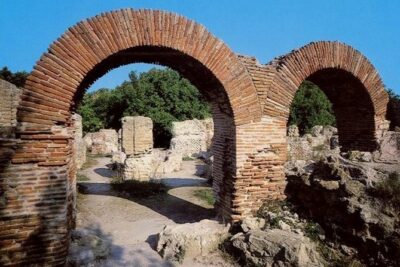
Private Tour from Naples to Phlegrean Fields, Pozzuoli, and Cuma
Read our review →
Browse the lists this tour appears in