

Reviewed · NAPLES NATIONAL ARCHAEOLOGICAL MUSEUM TOURS
Walk through Naples City or National Archaeological Museum
Naples makes more sense after you have seen the objects pulled from Pompeii and Herculaneum. Dr. Pina Esposito, a Neapolitan archaeologist, art historian, and licensed guide, uses frescoes, mosaics, jewelry, household goods, and marble sculpture to explain the Roman world buried by Vesuvius.
I like the museum-first approach, especially if Pompeii is on your schedule for the next day. I also like the choice between the National Archaeological Museum and a walk through old Naples, with sights such as Santa Chiara and the Sansevero Chapel Museum.
The main catch is simple: museum admission is not included, and the published group-size details conflict, with one section listing a maximum of 15 and another listing up to 30. Confirm the format and ticket cost before you go.
Key points to know before booking

- Dr. Pina Esposito leads the experience: She is a native of Naples with training in Greco-Roman archaeology and art history.
- The National Archaeological Museum is the main option: Expect highlights from Pompeii and Herculaneum, along with the Farnese Collection.
- You can request a city walk instead: Ask in advance to visit historic Naples rather than the museum.
- The two-hour visit is tightly focused: It gives you an introduction, not a full survey of every gallery.
- Tickets cost extra: Pina arranges them, and you reimburse her.
- The tour begins at 8:00 a.m.: Meet at Piazza Museo, 19, and finish back at the same meeting point.
Why the museum is a smart first stop
The National Archaeological Museum can be a hard place to tackle alone. Its displays cover objects from Pompeii and Herculaneum, along with major ancient sculpture, and the sheer quantity can leave you admiring beautiful things without knowing why they matter.
Pina’s focus is more useful than a room-by-room march. She explains the objects most closely tied to the towns buried in 79 AD, helping you recognize details when you later walk through Pompeii or Herculaneum.
You can expect attention to:
- Frescoes and other wall paintings
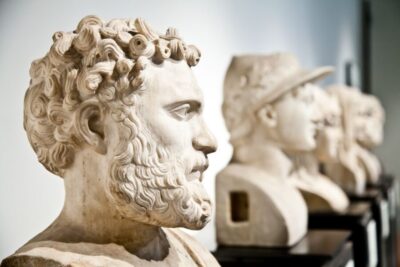
- Statues and Roman sculpture
- Glass, bronze, ivory, and painted terracotta objects
- Mosaics and domestic items
- Silver and gold jewelry
- Erotic objects displayed in the Secret Cabinet
- Large marble statues from the Farnese Collection
That range gives the visit a good balance. You are not looking only at grand statues. You also see the small things that show how people lived, decorated their homes, dressed, and entertained themselves.
I especially like the connection between ordinary household objects and the famous archaeological sites outside Naples. A silver ornament or painted vessel can seem modest beside a monumental statue, but it may tell you more about daily Roman life. Pina’s work is to connect those pieces so the museum becomes preparation for the rest of your trip, not an isolated stop.
More archaeological museum tours:
- Naples: National Archaeological Museum Ticket & Audio App
★ 4.4 · 617 reviews - Naples: National Archaeological Museum of Naples Guided Tour
★ 4.8 · 498 reviews - Naples: National Archaeological Museum Tour & Digital Guide
★ 4.2 · 177 reviews
Pompeii and Herculaneum through objects
Pompeii and Herculaneum are often treated as open-air museums, but the National Archaeological Museum holds many of the objects that make those towns easier to understand. The collection gives you a closer look at art and belongings that can be difficult to appreciate in their original setting.
A fresco in a museum lets you study color, composition, and subject matter without standing in a crowded ancient house. A mosaic can be examined at close range. A piece of jewelry or blown glass shows the skill of Roman craftspeople in a way that a quick glance through a ruined room may not.
The benefit for you is context. When you visit Pompeii afterward, you may recognize the artistic habits, domestic details, and decorative styles Pina has already explained. One past visitor specifically found the museum tour helpful before visiting Pompeii the next day, and that sequence makes good practical sense.
The drawback is that two hours passes quickly. You will not receive an exhaustive treatment of every collection or every archaeological question. If you already know the museum well, you may want a longer or more specialized visit. For a first visit, though, a selective tour can be more useful than trying to cover everything.
The Farnese Collection and the grand Roman pieces
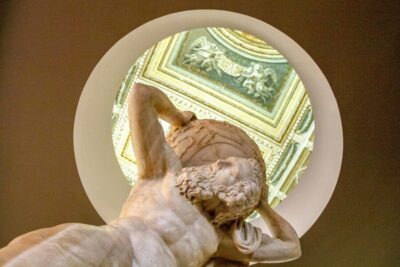
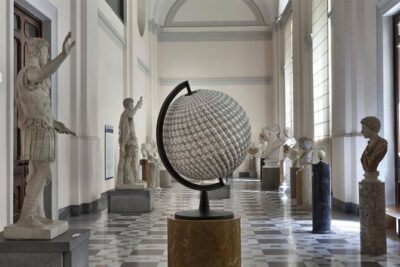
The museum’s monumental marble sculpture gives the tour a different scale. Pina highlights important works from the Farnese Collection, including some of the largest statues from the Roman Imperial age.
These pieces can overwhelm you when you first enter a gallery. Their size draws the eye, but size alone does not explain their place in Roman art. A guide can help you look at the subject, posture, treatment of the body, and the relationship between Roman copies and Greek artistic models.
This is one area where Pina’s academic background matters. Her training in Greco-Roman archaeology and art history gives her a useful base for explaining why the sculptures matter, rather than simply naming them.
You should still expect a brisk introduction, not a university seminar. The value comes from having someone select the essential works and explain them in clear English. That saves time and gives you a framework for returning to the galleries on your own.
The Secret Cabinet and less polished Roman life
The Secret Cabinet adds a more candid side to the collection. It contains erotic art from Pompeii and Herculaneum, a reminder that ancient Roman life included subjects that museums once treated with unusual caution.
This section may not suit every visitor, but it belongs in an honest account of the ancient world. Pina is described as willing to discuss difficult subjects, and that directness can make the museum experience feel more complete.
The same applies to the less glamorous objects. Domestic items made from glass, bronze, ivory, and terracotta help move the story beyond emperors and gods. Jewelry in silver and gold shows wealth and taste, while household pieces suggest the routines of people whose names are lost.
I like this mix because it keeps the tour from becoming a parade of famous statues. You get art, domestic life, religion, luxury, and sexuality in the same visit. That is a more useful picture of Roman society than a list of celebrated masterpieces.
More museums and sites in Naples:
- Naples: National Archaeological Museum audio guide
★ 4.0 · 155 reviews - Capodimonte Museum in Naples
★ 4.0 · 115 reviews - Sant’Aspreno ai Crociferi: Church & Jago Museum Guided Tour
★ 4.9 · 86 reviews - Skip the Line: National Archaeological Museum of Naples Entry Ticket
★ 3.5 · 82 reviews
Choosing the historic districts of Naples
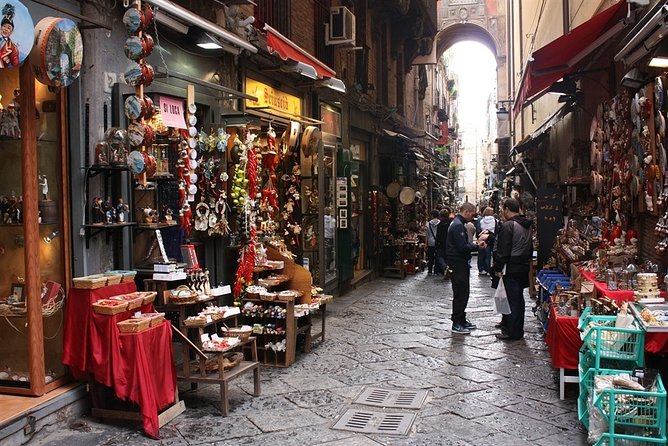
The experience can be adapted. Instead of the National Archaeological Museum, you can ask Pina to guide you through the historic districts of Naples.
The city option includes important sights such as Santa Chiara and the Sansevero Chapel Museum. It is the better choice if you have limited time in Naples and want help finding your bearings before exploring on your own.
A city walk also gives you a different kind of introduction. The museum explains Naples through objects from the ancient world. The historic-center option puts you among churches, streets, and local landmarks, with Pina explaining how the city developed.
You should make your preference clear before the tour. The activity information says the museum is the planned meeting point and primary option, but the guide can arrange a city-focused visit if you let her know.
There is a practical question here: a two-hour city walk and a two-hour museum visit will not cover the same amount of ground. A city route may give you a better sense of place, while the museum gives you a more concentrated lesson in Roman art and archaeology. Choose according to what you most want from your first morning in Naples.
What Pina adds to the experience
The strongest reason to book this tour is Pina herself. She is a local, a graduate of the University of Naples, and a licensed guide with specialist training. Her English is described as fluent, and she has also guided longer programs around Naples, Pompeii, Herculaneum, Capri, and nearby archaeological sites.
Her background gives you more than dates and labels. She can explain Naples’ historical and geological setting, and she has the local knowledge to adjust the pace or subject when needed. Past bookings with her have included museum visits, walks through Naples, Pompeii, Herculaneum, the Villa of Oplontis, and sites in the Phlegraean Fields.
That wider experience matters even on a short tour. You can ask how the museum connects to Pompeii, what to notice in a Roman house, or how Naples fits into the wider region. The supplied feedback also describes her as warm, energetic, humorous, and passionate about her city.
Her style may suit you best if you like to ask questions. If you prefer a silent walk with only occasional commentary, a specialist guide may feel more talkative than you want. The benefit is that you can use the time well by arriving with a few subjects in mind.
Group size, timing, and meeting point
The tour starts at 8:00 a.m. at the Museo Archeologico Nazionale di Napoli, Piazza Museo, 19. It ends back at the meeting point.
An early start is useful in Naples. You can finish the museum visit with much of the day left for lunch, Pompeii planning, or more time in the historic center. The early hour may be less convenient if your hotel is far from the museum or if you prefer slow mornings.
The group-size information needs clarification. The tour is promoted as small and capped at 15 people, while the additional details state a maximum of 30. Those are very different experiences. A group of 15 can usually stay closer to the guide and ask more questions, while 30 may feel less personal inside museum galleries.
Ask Pina or the booking contact which limit applies to your date. The guide’s private-tour background suggests that a smaller group is possible, but you should not assume a private booking unless it is confirmed.
The meeting point is near public transportation, and most people can participate. No special physical requirement is listed, but you should expect a museum visit and, if you choose the city option, walking through historic Naples.
Price and what you actually pay
The listed price is $34.85 per person for about two hours. That is a reasonable starting price for a specialist-led introduction, but it is not the full cost because entrance tickets are extra.
Pina arranges the tickets, and you reimburse her. That is convenient because you do not need to manage the ticket purchase yourself, but ask what the current admission cost will be before the tour begins. Tips are also not included.
The value depends on how much you want from the museum. If you simply want to stroll through galleries and read labels, you can save money by going alone. If you want someone to identify the key objects, connect them to Pompeii and Herculaneum, and explain the Farnese sculptures, the guide fee can be worthwhile.
The price is especially sensible if this is your only museum visit in Naples or if Pompeii is next on your itinerary. You are paying for selection and interpretation, not just entry. If you choose the city walk instead, compare the route with the sights you already plan to see so you do not duplicate time and cost.
Who should book this Naples tour?
I would recommend it most strongly to first-time visitors who want an intelligent introduction without spending half a day in the museum. It is also a good fit if you plan to visit Pompeii or Herculaneum and want the ancient objects explained before you see the ruins.
It suits people who enjoy history, art, archaeology, and conversation. Families with older children may appreciate the mix of statues, household objects, mosaics, and the Secret Cabinet, though parents should decide if the erotic collection is appropriate for their group.
You may want something else if you need a fully private, highly specialized museum study or a tour with transportation from Sorrento. The supplied arrangements for private drivers and longer regional days are separate from this two-hour meeting-point experience.
The tour requires a minimum number of participants. If that number is not reached, you can be offered another date or experience, or receive a full refund. Cancellation is free up to 24 hours before the start time, but changes or cancellations inside that window are not accepted.
Should you book it?
Book this experience if you want Pina Esposito’s archaeological eye and a focused introduction to Naples, especially before Pompeii or Herculaneum. I would choose the museum option for ancient history and the city option if your main goal is to understand Naples itself.
Before paying, confirm three things: your preferred route, the entrance-ticket cost, and the actual group size. If those details suit you, the $34.85 guide fee offers a useful shortcut through a large museum and a city that can otherwise take several days to read well.
FAQ
Where does the tour begin?
It begins at the Museo Archeologico Nazionale di Napoli, Piazza Museo, 19, 80135 Naples, Italy.
What time does the tour start?
The stated start time is 8:00 a.m.
Where does the tour end?
The activity ends back at the meeting point.
Is the National Archaeological Museum included?
The guide service is included, but museum entry is not. Pina arranges the tickets, and you reimburse her.
Can I choose a Naples city walk instead of the museum?
Yes. You can request a tour of Naples’ historic districts instead of the National Archaeological Museum. Let Pina know in advance.
Which Naples sights may be included on the city option?
The city walk can include key sights such as Santa Chiara and the Sansevero Chapel Museum.
Is the tour offered in English?
Yes. The experience is offered in English.
How long does the tour last?
The stated duration is approximately two hours.
Can I cancel for a refund?
You can cancel at least 24 hours before the start time for a full refund. Cancellations or changes made less than 24 hours before the start are not accepted.
More Walking Tours in Naples
- Naples: Street Food Walking Tour with Local Guide
★ 4.8 · 4,256 reviews - Naples Spanish Quarters Walking Tour Street Art, Folklore & Sweet
★ 5.0 · 797 reviews - Naples: Old Town Guided Walking Tour
★ 4.8 · 553 reviews - Naples: Panoramic Walking Tour with Funicular
★ 4.8 · 543 reviews
Just added around Naples
- Naples: Guided Walking Tour★ 4.7 · 63 reviews
- Wine tasting in the Vesuvius National Park★ 3.5 · 4 reviews
- Naples: Pompeii and Vesuvius Skip-the-Line Day Trip★ 3.8 · 32 reviews
- Visit the Museum MANN with a professional guide★ 5.0 · 3 reviews
- Walking-tour of Naples hystorical Centre★ 4.4 · 4 reviews
- Vesuvius – Herculaneum – Pompeii Excavations Tour★ 4.2 · 9 reviews
- Pompeii: Vesuvius at Sunset★ 3.5 · 31 reviews
- Vesuvius and Herculaneum from Naples★ 3.7 · 29 reviews
Naples National Archaeological Museum Tours, compared.
National Archaeological Museum Ticket & Audio App
Read our review →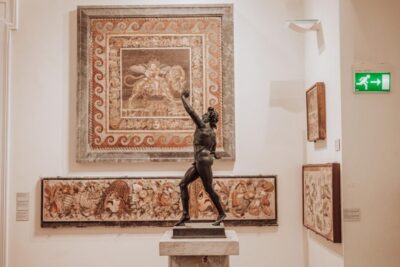
National Archaeological Museum of Naples Guided Tour
Read our review →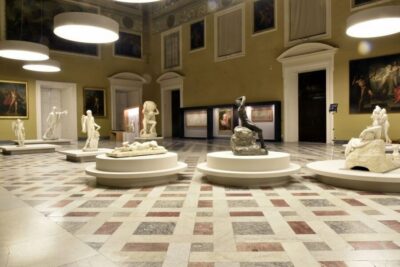
National Archaeological Museum Tour & Digital Guide
Read our review →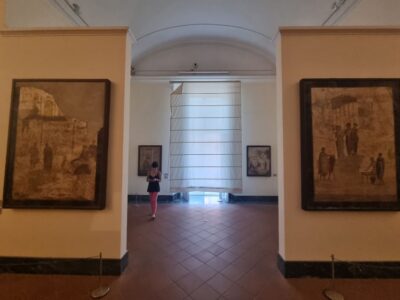
Skip the Line: National Archaeological Museum of Naples Entry Ticket
Read our review →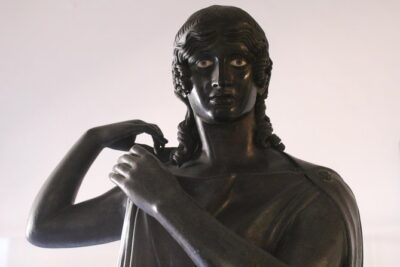
Naples Archaeological Museum 2-Hour Guided Private Tour
Read our review →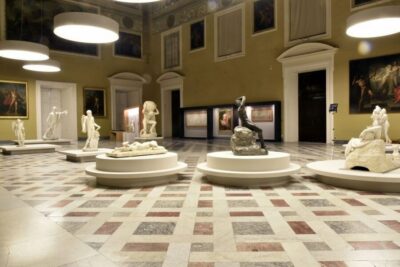
3-Day Pass, Pompeii, & Archeological Museum Included
Read our review →Browse the lists this tour appears in