
Reviewed · NAPLES NATIONAL ARCHAEOLOGICAL MUSEUM TOURS
Tour of the Archaeological Museum of Naples
Pompeii’s best stories do not end at the ruins. Many of the most important paintings, statues, mosaics, and everyday objects are now in Naples, and this tour gives you a guide to connect those museum pieces with what you see at the ancient sites. The Pompeii and Herculaneum collections are the main draw, but the Farnese sculptures and reopened Egyptian section add much more than a simple follow-up visit.
I like the small group limit of eight, which gives you room to ask questions and adjust the pace. I also like the guide’s ability to shape the visit around your interests, as Anna, Fiorenza, and Maria have done for past groups. The main consideration is price: at $223.75 per person for about two hours, this is a premium museum visit, not a budget introduction.
Key points to know before you book

- Pompeii after the ruins: See art and objects removed from Pompeii and Herculaneum, then place them in context.
- A small group of up to eight: The format is better suited to questions and individual attention than a large museum walk.
- Guides with different strengths: Anna is praised for careful structure, while Fiorenza is known for tailoring the visit and spending extra time when possible.
- The Farnese collection adds major sculpture: Greek and Roman statues donated by the Farnese family give the museum a wider reach.
- Do not skip the Egyptian section: It has reopened and is part of the museum’s appeal.
- Two hours is focused, not exhaustive: You will see important areas, but not every room or object in the museum.
Why Naples is the right place to study Pompeii
The National Archaeological Museum of Naples is the natural partner to a visit to Pompeii. At the ruins, you walk through streets, homes, shops, and public buildings. In Naples, you can see the objects that once filled those spaces, along with works removed for protection and preservation.
That change in setting matters. A statue behind glass can seem distant if you do not know where it was found or how it was used. A good guide turns it back into part of daily life in the Roman world, explaining its purpose, setting, construction, and connection to the people who lived around it.
This is why I would schedule the museum either after Pompeii or before it, depending on your plans. Several past visitors found that a museum visit after Pompeii helped them make sense of the art and statuary they had just seen in fragments or empty rooms. Others felt the museum prepared them for Pompeii by giving them a picture of Roman society first.
The tour is offered in English, and it lasts about two hours. That is enough time for a clear route through important sections, but not enough to inspect every gallery at leisure. You should arrive ready to focus rather than wander.
More archaeological museum tours:
- Naples: National Archaeological Museum Ticket & Audio App
★ 4.4 · 617 reviews - Naples: National Archaeological Museum of Naples Guided Tour
★ 4.8 · 498 reviews - Naples: National Archaeological Museum Tour & Digital Guide
★ 4.2 · 177 reviews
The Pompeii and Herculaneum collections
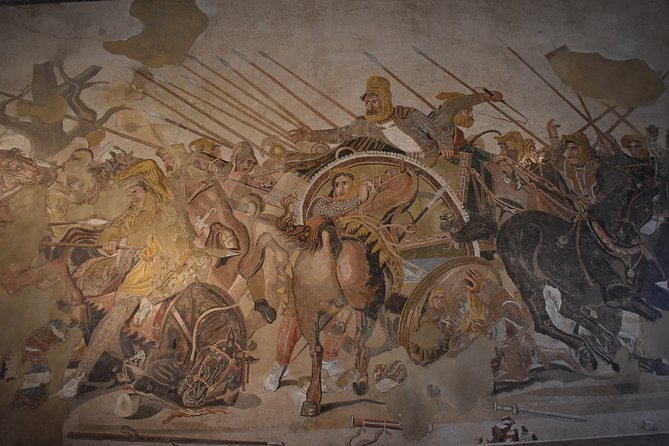
The heart of the visit is the material excavated from Pompeii, Herculaneum, and Stabiae. These sites are often grouped together in the imagination, but each contributes to the larger picture of life around the Bay of Naples.
Pompeii gives you the clearest connection to a city interrupted by disaster. Herculaneum offers a different view of Roman life, with its own objects and settings. Stabiae adds another piece to the picture, especially for understanding the villas and settlements around the region.
A guide can help you avoid the common museum mistake of treating every marble figure as an isolated masterpiece. The useful questions are often more basic: Where was this found? What room did it belong in? Was it made for worship, decoration, entertainment, or daily use? What does it tell you about wealth and social rank?
One of the strongest aspects of this experience is the attention to ancient Roman society. Looking closely at objects can reveal how people ate, worshipped, decorated their homes, entertained themselves, and displayed status. The guide’s explanation is especially useful when an item looks familiar but had a very different meaning in its original setting.
If you have already visited Pompeii, bring that memory with you. You will recognize the value of seeing the art that was removed from the site. If Pompeii is still ahead of you, listen for details about construction, household use, and decoration. They can make the ruins feel less like a collection of walls and more like a lived-in town.
Farnese statues and the museum’s wider collection
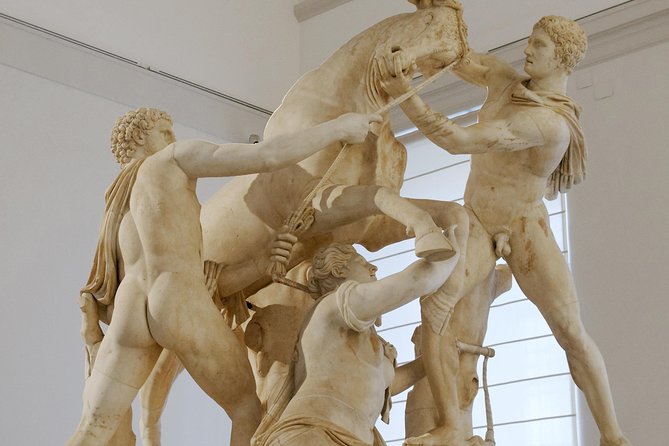
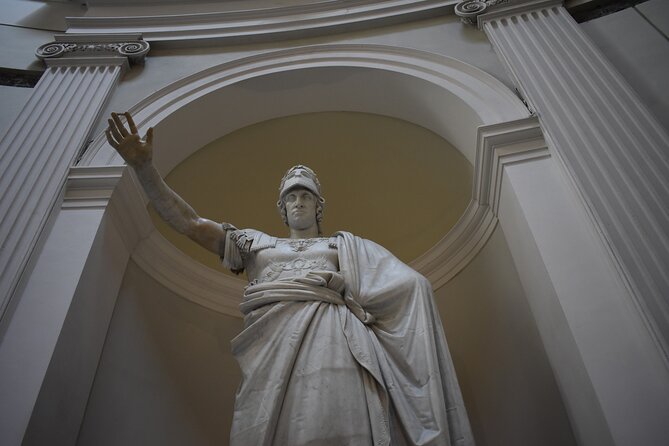
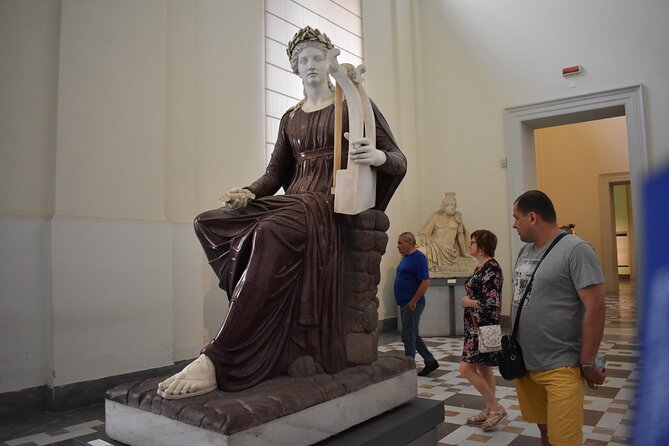
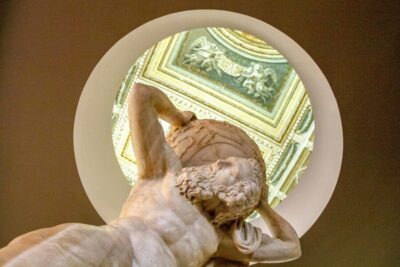
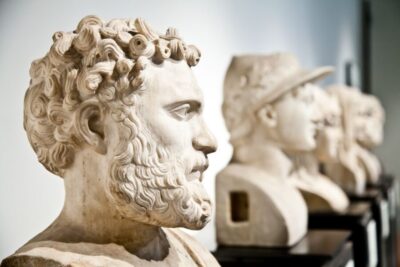
The museum is not only a Pompeii museum. Its Greek and Roman sculptures include the Farnese collection, donated by the Farnese family. This gives the visit a broader artistic and political frame.
The Farnese works help show how later collectors shaped the way ancient art reached the modern public. They also give you a chance to compare objects from the archaeological sites with major sculpture collected and displayed for its own importance.
This section may be the part you value most if you care about art history. A guide can point out the difference between a work found in its original archaeological setting and one that became part of a powerful family collection. The contrast helps explain why museums contain objects from very different places and periods under one roof.
The tour also reaches beyond the immediate Naples area. Objects from Bacoli, Cumae, Baia, and the Phlegraean Fields add local context. These places are easy to overlook when your plans center on Pompeii, yet they were part of the same ancient regional world.
I would not expect a full lecture on every site. With only two hours, the guide has to make choices. The benefit is a visit with a clear thread, rather than a long march through rooms with dates and names that quickly blur together.
The reopened Egyptian section
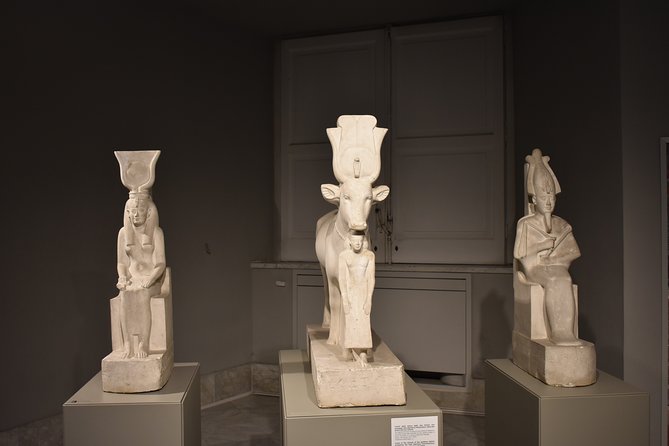
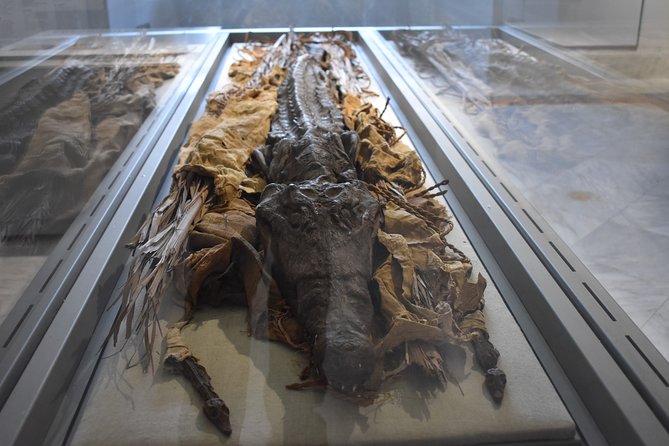
The Egyptian collection is one of the most useful reasons to choose this guided visit instead of focusing only on the Roman material. It has reopened to the public and brings another culture into the museum’s story.
You should not think of this as an unrelated add-on. Ancient Naples and the wider Roman world were connected to Egypt through trade, politics, religion, and the movement of people and objects. Seeing an Egyptian section beside Greek and Roman collections can sharpen your sense of how ideas and styles crossed the ancient Mediterranean.
The supplied details do not specify the exact objects included or how much time the guide spends there. That is worth keeping in mind if the Egyptian material is your main reason for booking. You can ask at the start for the guide to include it, especially since the group is small and the route may be adjusted around your interests.
For many visitors, the reopened section will be an extra highlight rather than the central purpose of the tour. The main strength remains the link between Naples’ archaeological collections and Pompeii, Herculaneum, and nearby sites.
More museums and sites in Naples:
- Naples: National Archaeological Museum audio guide
★ 4.0 · 155 reviews - Capodimonte Museum in Naples
★ 4.0 · 115 reviews - Sant’Aspreno ai Crociferi: Church & Jago Museum Guided Tour
★ 4.9 · 86 reviews - Skip the Line: National Archaeological Museum of Naples Entry Ticket
★ 3.5 · 82 reviews
What the small group changes
The maximum group size is eight people. That is small enough to make the guide’s explanations easier to follow and large enough to keep the experience social without turning it into a private tour.
The difference becomes clear when you want to ask about one object for an extra minute. In a large group, the guide may need to keep moving. With eight or fewer, you have a better chance to ask about an unusual detail, request more information about Roman society, or spend more time in a section that suits your interests.
The tour can also work well for groups with mixed levels of museum experience. A beginner can get the basic story, while someone who already knows Pompeii can ask more specific questions about artistic style, archaeology, or the ancient region.
Do not assume every departure will feel fully private. A private group has more control over timing than a small shared group. One past private visit allowed the guide to move at the group’s own pace and answer detailed questions without other people waiting. That is an advantage of booking privately if the option is available to you, but the standard information only promises a group of no more than eight.
The guides: Anna, Fiorenza, and Maria
The individual guide can shape this experience as much as the collection itself. Anna is described as highly organized and able to structure the museum visit around a previous Pompeii visit. That makes her a strong fit if you want a clear sequence and a direct connection between the ruins and the museum.
Fiorenza brings a personal connection to the area as well as academic training. She has been praised for explaining objects from Egypt and the Etruscan region, along with the way those objects illuminate ancient Roman life. Her approach appears especially suitable if you want historical context rather than a quick list of famous works.
Fiorenza has also adapted visits to the group’s interests and level of knowledge, staying extra time when possible. That flexibility is valuable, but you should treat extra time as a possibility rather than a guarantee. The advertised duration remains about two hours.
Maria is associated with a thoughtful introduction to ancient Roman society through the museum’s objects. If the operator lets you request a guide, you may ask for one of these names, though the information provided does not promise a particular guide on a particular date.
Is $223.75 a fair price?
At $223.75 per person, this is expensive for a two-hour museum visit. Admission is included, as is a professional guide, but the price still reflects a high-cost private-style experience even when your group is shared.
The value depends on what you want from the museum. If you are content to read labels and choose your own route, a guided visit at this price may not suit you. The museum’s scale and significance make independent viewing possible, though you would need to build your own connections between the objects and the archaeological sites.
I see stronger value if Pompeii is a major part of your trip and you want the museum to explain what you saw there. The guide’s context can prevent the visit from becoming a blur of statues, mosaics, and display cases. It can also save you time by directing you to important material rather than leaving you to guess which rooms deserve your limited energy.
The small group matters here. You are paying not just for entry, but for a focused route, answers to questions, and the chance to request more detail. Group discounts may be available, which could improve the value for a larger party. You should check the discount before booking, since the supplied information does not give the reduced price.
Timing, transport, and practical details
The tour is offered at multiple times during the day, which makes it easier to place around meals, Pompeii, or other Naples plans. The museum is near public transportation, so you do not need to build your schedule around a hard-to-reach meeting point.
Confirmation is provided when you book. Children must be accompanied by an adult, and most people can take part without selecting a health restriction. The information does not give a specific meeting point, so check the confirmed booking details carefully before setting out.
You can cancel for a full refund up to 24 hours before the local start time. Cancellations or changes made less than 24 hours before the start are not accepted for a refund. That policy is fairly flexible for a planned museum visit, but Naples schedules can change quickly, so avoid waiting until the last day if your itinerary is uncertain.
Who should book this museum visit?
I would recommend it most strongly to anyone visiting Pompeii and wanting more than the ruins alone can provide. It also suits people who prefer art and archaeology with explanation rather than a self-guided route through a large museum.
You are likely to get the most from it if you:
- Have already visited Pompeii and want to see removed artworks and objects.
- Plan to visit Pompeii afterward and want useful background first.
- Prefer a guide who can explain how objects were built, used, and understood.
- Care about ancient Roman society, not only famous statues.
- Want to see the Farnese collection and the reopened Egyptian section.
- Value a small group and the ability to ask questions.
I would hesitate if your main concern is low cost or a slow, room-by-room museum day. Two hours gives you direction, but it also means you will leave many galleries for another visit.
Should you book the Tour of the Archaeological Museum of Naples?
Book it if you want the museum to complete your understanding of Pompeii, Herculaneum, and the ancient Bay of Naples. The strongest reasons are the small group, the included admission, and the guides’ ability to connect objects with daily life rather than simply naming them.
At $223.75, the tour needs to deliver more than entry, and its value rests on the guide. If you can request Anna, Fiorenza, or Maria, mention what you have already seen and what interests you most. Ask to include the reopened Egyptian section and allow time for the Farnese sculptures.
Skip it if you are happy to explore independently and have several hours to read labels at your own pace. For a focused, English-language introduction that ties the museum to Pompeii, this is a strong choice, provided the price fits your budget.
FAQ
How long does the tour last?
The tour lasts approximately two hours.
What language is the tour offered in?
The experience is offered in English.
Is museum admission included?
Yes. Admission tickets and a professional guide are included.
How large is the group?
The group has a maximum of eight people.
Is the Archaeological Museum near public transportation?
Yes. The museum is near public transportation.
Can I cancel for a full refund?
Yes. You can cancel at least 24 hours before the experience’s local start time for a full refund. Cancellations or changes made less than 24 hours before the start time are not refunded or accepted.
Just added around Naples
- Naples: Guided Walking Tour★ 4.7 · 63 reviews
- Wine tasting in the Vesuvius National Park★ 3.5 · 4 reviews
- Naples: Pompeii and Vesuvius Skip-the-Line Day Trip★ 3.8 · 32 reviews
- Visit the Museum MANN with a professional guide★ 5.0 · 3 reviews
- Walking-tour of Naples hystorical Centre★ 4.4 · 4 reviews
- Vesuvius – Herculaneum – Pompeii Excavations Tour★ 4.2 · 9 reviews
- Pompeii: Vesuvius at Sunset★ 3.5 · 31 reviews
- Vesuvius and Herculaneum from Naples★ 3.7 · 29 reviews
Naples National Archaeological Museum Tours, compared.
National Archaeological Museum Ticket & Audio App
Read our review →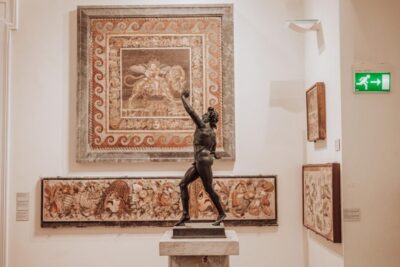
National Archaeological Museum of Naples Guided Tour
Read our review →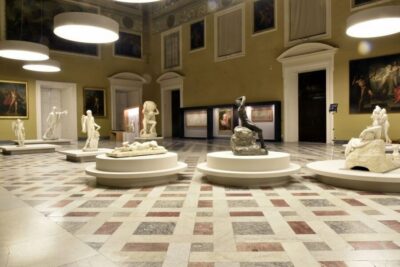
National Archaeological Museum Tour & Digital Guide
Read our review →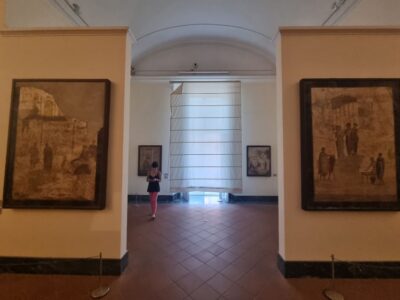

Skip the Line: National Archaeological Museum of Naples Entry Ticket
Read our review →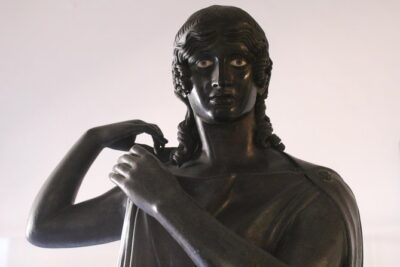
Naples Archaeological Museum 2-Hour Guided Private Tour
Read our review →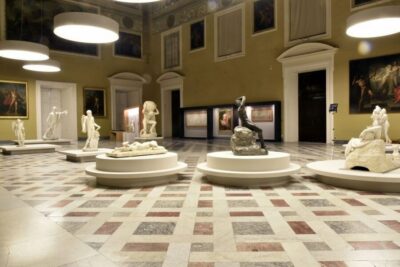
3-Day Pass, Pompeii, & Archeological Museum Included
Read our review →Browse the lists this tour appears in