
Reviewed · NAPLES WINE TASTINGS
History & Local Wines: Amphitheater, Mitrium and Winery Visit
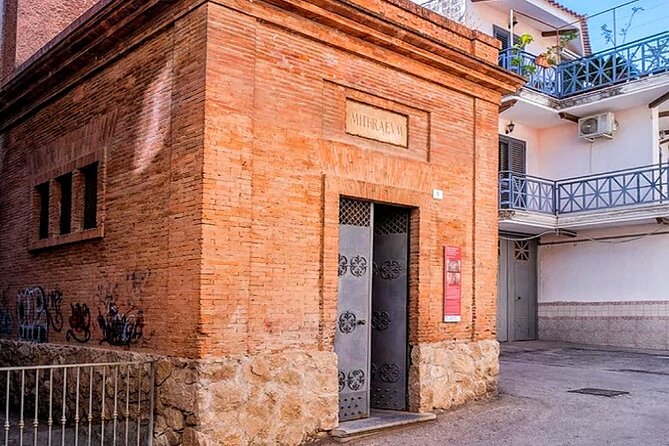
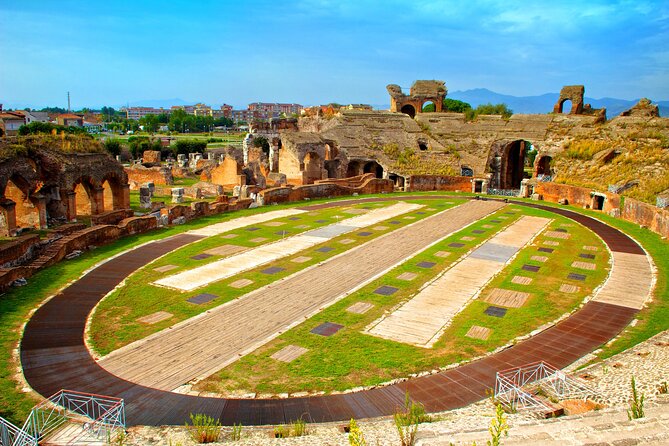
The most unusual part of this private Naples outing is the pairing of ancient gladiator history with a working Campanian wine stop. You visit Santa Maria Capua Vetere, home to an amphitheater built a century before Rome’s famous arena, then enter one of the few surviving temples dedicated to Mithras.
I like the private format, which gives your own group a guide, driver, and hotel pickup. I also like the clean contrast between three hours of archaeology and two hours of wine tasting near Vesuvius. The main caution is the price: at $868.20 per person, this makes sense mainly for a small group that values private transport and personal attention.
Key points to know

- Santa Maria Capua Vetere was founded by the Etruscans around 600 BC, then taken by Rome in 340 BC.
- The amphitheater predates Rome’s Colosseum by about a century, giving this stop real historical weight.
- The Mithraeum is one of the few preserved temples of Mithras, a cult site that was often destroyed after Christianity spread.
- The winery sits near Mount Vesuvius, making the final two hours scenic as well as edible.
- The tour lasts about five hours, with roughly three hours for the historic town and two hours for wine and food.
- The experience is private, and pickup from your hotel is offered in Naples.
Why this Campania combination works
Many day outings from Naples focus on one major archaeological site. This one takes a different route. You get a substantial historic visit in Santa Maria Capua Vetere, followed by a slower afternoon or morning at a winery in the Province of Naples.
That change of pace matters. Ancient sites can become a blur of stones, dates, and emperors, especially if you visit several in a row. Here, the wine stop gives you time to sit, taste, and take in the setting near Vesuvius.
I especially like the subject matter. Santa Maria Capua Vetere is less familiar to many visitors than Pompeii or the Colosseum, yet its amphitheater and Mithraeum offer a different view of Roman life. The tour is not only about grand ruins. It also touches on public entertainment, religious practice, and the long shift from Roman paganism to Christianity.
The experience is described as a private activity, so only your group participates. That can be a major advantage if you want to ask questions, move at your own pace, or keep the day personal. It is also useful for couples or families who do not want to fit into a large group schedule.
More wine tastings in Naples:
- From Naples: Wine Tasting Tour on Vesuvius Slopes with Lunch
★ 4.5 · 330 reviews - Naples Scenic E-Bike Ride to a Local Vineyard with Meal
★ 5.0 · 288 reviews - Naples: Tour of Mt Vesuvius and Pompeii w/ Lunch & Wine tasting
★ 5.0 · 241 reviews
Meeting your guide and leaving Naples
Your guide meets you at your hotel reception. A driver then takes you toward Santa Maria Capua Vetere, where the first part of the experience lasts about three hours.
The information provided does not give the guide’s name, vehicle type, or exact pickup area within Naples. I would confirm those details before booking, especially if your hotel is outside the central area or if you need a particular vehicle arrangement.
The pickup option removes one of the day’s main hassles. You do not have to work out a train or bus connection before an early appointment, and you can return to the city without navigating on your own. That convenience is part of what you are paying for.
Still, private transport is not the same as a short walk from your hotel to a nearby attraction. The tour is based in Naples, but the historic visit takes place in Santa Maria Capua Vetere, so some road time is built into the day. The total duration is listed as approximately five hours, not including any possible traffic delays.
Santa Maria Capua Vetere and its Etruscan beginnings
Santa Maria Capua Vetere was founded by the Etruscans around 600 BC and later conquered by Rome in 340 BC. That timeline gives you a useful frame for the visit. You are not simply seeing a Roman ruin in isolation. You are visiting a town shaped by Etruscan origins, Roman power, and later religious change.
The guided walk is the heart of the first stop. Your guide leads you through the town and its principal historic sites, explaining why this place mattered in Campania.
The tour description calls the ancient settlement one of the region’s most interesting towns. That is a bold claim, but the ingredients are there. The site combines early Italic roots, Roman public entertainment, and a rare underground or temple setting tied to Mithras.
I would approach this part with curiosity rather than expecting a polished open-air museum at every turn. The appeal lies in the layers. You are following a place across centuries, not simply checking off one famous monument.
The amphitheater that predates Rome’s famous arena

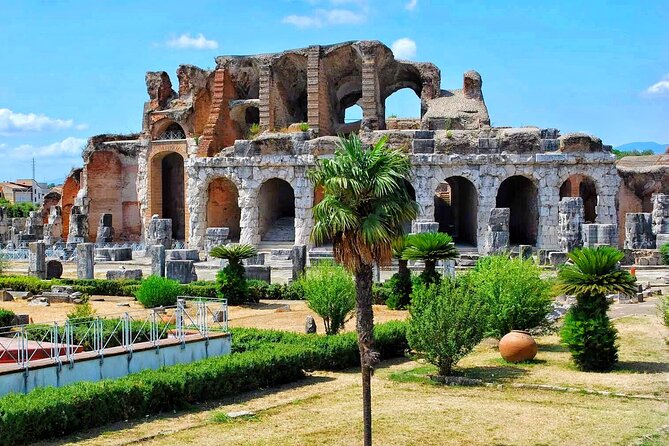
The amphitheater is the big draw for many history-minded visitors. It was built about one century before Rome’s famous amphitheater, making it an important stop for anyone interested in the development of Roman arena architecture and spectacle.
The connection with Spartacus also gives the site a strong human story. The supplied description identifies this as the amphitheater where Spartacus performed. Spartacus later became associated with the famous slave revolt, so the arena offers a link between public entertainment and one of antiquity’s best-known rebellions.
You should keep one distinction in mind. The reference to Spartacus adds atmosphere and historical context, but the experience is not presented as a theatrical reconstruction or a live reenactment. You are visiting an archaeological site with a guide who interprets its past.
I like this stop because it offers a useful comparison with Rome. If you have already seen the Colosseum, you can think about what came before it. If you have not, the earlier amphitheater gives you a less predictable introduction to Roman arena culture.
The available information does not specify the exact condition of the seating, underground areas, or visitor route. Your guide will provide the interpretation, but you should not assume that every part of the ancient structure is open for independent exploration.
Same city, an entirely different sort of day:
- From Naples: Pompeii Ruins & Mount Vesuvius Day Tour
★ 4.3 · 11,459 reviews - From Naples: Sorrento, Positano and Amalfi Full-Day Tour
★ 4.6 · 10,988 reviews - From Naples: Sorrento, Positano & Amalfi Coast – Small Group Tour
★ 5.0 · 8,643 reviews - Naples: Catacombs of San Gennaro Entry Ticket & Guided Tour
★ 4.6 · 7,941 reviews
The Mithraeum and a less familiar Roman faith
The Mithraeum is the most distinctive stop on the route. It was a temple connected with the cult of Mithras, a religious movement that spread through parts of the Roman world.
The tour emphasizes that this is one of the few preserved Mithraic temples. That rarity is important. Many such places were destroyed after Christianity became dominant, so a surviving Mithraeum offers a look at a form of worship that is often absent from standard Roman sightseeing.
This is a place where a guide makes a real difference. Without context, a temple connected with Mithras may seem small or cryptic. With explanation, the site can help you understand how varied religious life was under Rome.
The description says these temples were purposefully destroyed with the advent of Christianity. That gives the stop a darker edge. You are not only looking at what survived. You are also considering what later generations chose to remove.
The tour does not provide details about the interior layout, preserved artwork, lighting, or access arrangements. I would therefore expect a focused historic visit rather than a large complex filled with exhibits. If you enjoy unusual archaeological sites and religious history, this may be the highlight of the morning. If you prefer wide-open ruins and big monuments, the amphitheater may appeal more.
Wine near Mount Vesuvius
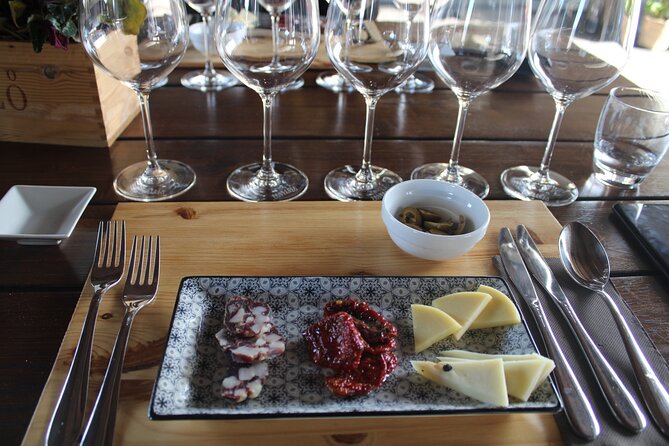
After the historic portion, you spend about two hours at a winery in the Province of Naples, near the famous volcano. The setting changes from ancient stone to vineyards, with Vesuvius providing the visual anchor.
You taste several local wines with traditional food. The details do not specify the winery’s name, the wines poured, or the exact dishes served, so I would not book this expecting a named vintage or a formal multi-course menu. Think of it as a regional tasting paired with local food in a scenic setting.
This is a smart ending for the experience. Campania is not only an archaeological destination. Its food and wine traditions are part of the region’s identity, and a tasting gives you a chance to connect the history stop with modern local production.
The volcano view also adds something that a city tasting room cannot provide. You are surrounded by vineyards with Vesuvius nearby, rather than simply sampling wine at a bar in Naples.
The two-hour timing should allow a relaxed visit, though the exact format is not stated. You may find a guided tasting, a seated food pairing, or a more informal winery visit. Ask what is included before booking if you have dietary restrictions or strong preferences about the wine program.
The value of a $868.20 private tour

At $868.20 per person, this is an expensive day. The price is easier to understand if you are splitting it among several people and place a high value on private transport, a personal guide, and hotel pickup.
You are paying for more than admission to an amphitheater and a wine tasting. The package combines transportation from Naples, a guided historic visit, a private group structure, and a winery stop. It also saves you the work of arranging these pieces separately.
That does not automatically make it good value for every budget. If you are a solo visitor or a couple watching costs, the per-person price may feel hard to justify. Public transport and separate visits could cost less, though they would require more planning and would not offer the same private format.
The listed admission cost for the two stops is free, but that does not mean the whole experience is free of charge. The price covers the organized private outing and its services, not just entrance tickets.
The strongest positive themes in the supplied written feedback are friendly personal service, careful organization, and a romantic feel. Those comments describe Taormina photography outings rather than this Campania history and wine route, so I would not use them as proof of the quality of this specific itinerary. The useful takeaway is simply that the provider’s style may suit couples looking for an organized, personal day, but the experience details here should guide your decision.
Who will enjoy this experience most

I would recommend this tour to you if you want a private day with a clear beginning, middle, and end. The history section is substantial without taking up the entire day, and the winery gives you time to relax afterward.
It is especially suited to:
- Couples who want a romantic outing with scenery, food, and wine.
- Small groups interested in Roman archaeology beyond the best-known sites.
- Visitors who prefer a private guide and hotel pickup.
- History fans curious about Mithraic worship and early amphitheater design.
- People who want to combine culture with a regional tasting.
I would be more cautious if your main goal is Pompeii, Herculaneum, or a full-day archaeological experience. None of those sites is part of this tour. I would also look elsewhere if you want detailed information about the winery, a named sommelier, or a guaranteed menu, since those points are not supplied.
The activity is open to most participants, but the information does not give a detailed accessibility description. Ask about walking surfaces, steps, and access inside the Mithraeum before booking if those details matter to you.
Timing, weather, and cancellation
The experience is offered Monday through Sunday, with operating hours listed from 8:00 AM to 8:00 PM. Your exact start time should be confirmed when booking, since the tour itself lasts about five hours.
A mobile ticket is available, and confirmation is received at the time of booking. Group discounts are offered, which may improve the value for families or friends traveling together.
The tour requires good weather. If poor weather causes cancellation, you are offered another date or a full refund. You can cancel for a full refund up to 24 hours before the start time. A cancellation made less than 24 hours before departure is not refundable, and changes are not accepted within that same period.
Should you book this private Campania day?
Book it if you want rare Roman history, private transport, and wine near Vesuvius in one compact outing. The amphitheater gives you a strong archaeological anchor, while the Mithraeum adds a subject most standard Naples tours skip.
Think carefully about the price before committing. At $868.20 per person, this is a premium experience, not a budget excursion. It offers the best value for a small group that wants convenience and a private guide, especially if arranging transport independently would be stressful.
I would also confirm the winery name, pickup area, guide details, and exact tasting inclusions before paying. If those answers suit you, this is an appealing way to see a less familiar corner of Campania without giving up a comfortable final stop with local wine and traditional food.
FAQ
Where does the tour begin?
Your private guide meets you at your hotel reception in Naples.
How long does the experience last?
The tour lasts approximately five hours.
How is the time divided?
The Santa Maria Capua Vetere portion lasts about three hours, followed by approximately two hours at a winery in the Province of Naples.
Is transportation provided?
A driver takes you from Naples to Santa Maria Capua Vetere and then to the winery. Pickup is offered.
Is this a private tour?
Yes. Only your group participates in the activity.
What historic sites are visited?
The tour includes Santa Maria Capua Vetere, its ancient amphitheater, and a Mithraeum, a temple connected with the cult of Mithras.
Is the amphitheater older than Rome’s famous amphitheater?
Yes. The amphitheater visited on this tour was built about one century before the Roman amphitheater in Rome.
What happens at the winery?
You taste different local wines paired with traditional food, with Mount Vesuvius nearby.
Can I cancel for a full refund?
Yes, if you cancel at least 24 hours before the experience start time. Cancellations made less than 24 hours before the start time are not refunded.
More Ancient Sites near Naples
- Naples: Street Art & History Tour in the Spanish Quarters
★ 4.9 · 540 reviews - Naples: Historic Center and Sansevero Chapel Walking Tour
★ 4.8 · 208 reviews - 360 ° Naples. THE historic center of the city
★ 5.0 · 85 reviews - Naples Walking tour of the Historical Center
★ 5.0 · 75 reviews
Just added around Naples
- Naples: Guided Walking Tour★ 4.7 · 63 reviews
- Wine tasting in the Vesuvius National Park★ 3.5 · 4 reviews
- Naples: Pompeii and Vesuvius Skip-the-Line Day Trip★ 3.8 · 32 reviews
- Visit the Museum MANN with a professional guide★ 5.0 · 3 reviews
- Walking-tour of Naples hystorical Centre★ 4.4 · 4 reviews
- Vesuvius – Herculaneum – Pompeii Excavations Tour★ 4.2 · 9 reviews
- Pompeii: Vesuvius at Sunset★ 3.5 · 31 reviews
- Vesuvius and Herculaneum from Naples★ 3.7 · 29 reviews
Naples Wine Tastings, compared.
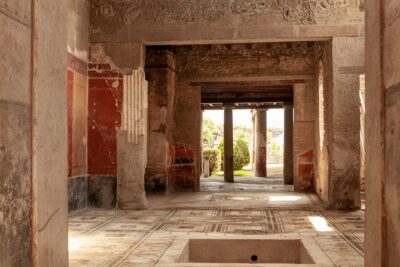
Pompeii Tour & Lunch with Wine Tasting Experience
Read our review →
Pompeii Vineyard Escape: Private Wine Tasting & Lunch
Read our review →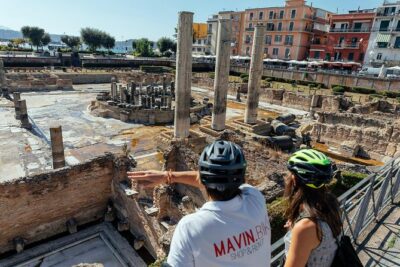
Naples Scenic E-Bike Ride to a Local Vineyard with Meal
Read our review →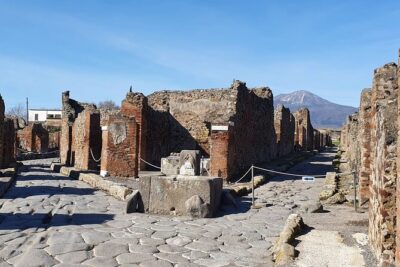
Tour of Mt Vesuvius and Pompeii w/ Lunch & Wine tasting
Read our review →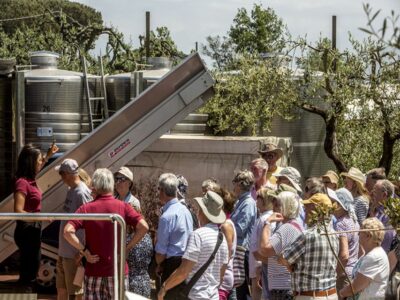

Scenic Wine Tasting & Lunch on the Slopes of Vesuvius from Naples
Read our review →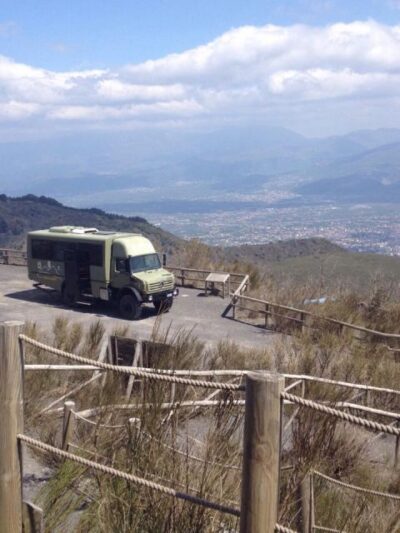
Mount Vesuvius 4-Hour Volcano Tour with Wine Tasting
Read our review →Browse the lists this tour appears in