
Reviewed · NAPLES NATIONAL ARCHAEOLOGICAL MUSEUM TOURS
National Archaeological Museum of Naples Private Guided Tour
The most striking thing about this tour is the range packed into two hours at MANN, Naples’ National Archaeological Museum. You move from Pompeii frescoes and Herculaneum objects to the huge Farnese sculptures, ancient mosaics, and everyday Roman possessions without wasting time finding your way around alone.
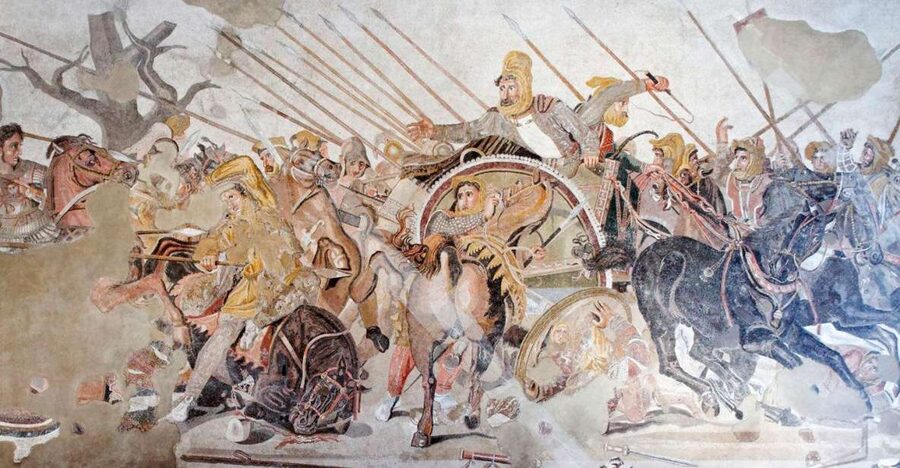
I like the private format, which lets your archaeologist guide adjust the level for beginners, serious history fans, or a family with mixed interests. I also like the chance to see Alexander the Great’s famous mosaic and the Battle of Issus, often called the Battle of Osso in tour descriptions, alongside the museum’s large Pompeii collection. The main drawback is simple: two hours is enough for a focused introduction, not every room.
Key points to know before you book
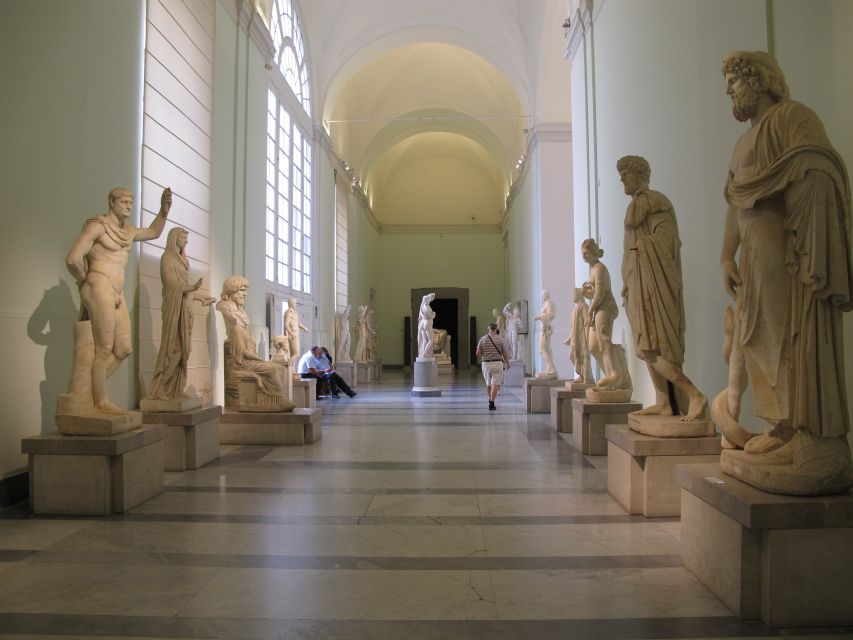
- Pompeii and Herculaneum in one museum: You can examine frescoes, mosaics, household objects, and precious Roman pieces without traveling to both excavation sites.
- A private archaeologist guide: The guide can shape the pace and explanation around your interests instead of following a fixed group script.
- Major classical works: The route includes the Alexander mosaic, Farnese sculptures, and other celebrated works from antiquity.
- A useful rainy-day plan: The entire visit takes place inside MANN, making it a practical choice when Naples weather turns sour.
- Language choice: Tours are offered in English, French, Spanish, and Italian.
- Short but concentrated: The two-hour visit is manageable, though anyone wanting a full museum survey will need more time afterward.
Why MANN is such a strong first stop in Naples
MANN is not simply a room full of statues. It brings together works from Pompeii and Herculaneum, major Roman collections, ancient Greek and Roman sculpture, mosaics, frescoes, and smaller objects that show how people actually lived.
That mix matters. At an excavation site, you see buildings in their original setting. In this museum, you can study the objects close up, compare styles, and see delicate details that are easy to miss outdoors. A private guide helps connect those pieces instead of leaving you to make sense of a large museum map on your own.
You will also see two very different sides of antiquity. The grand side includes monumental sculptures and famous mythological scenes. The human side appears in household goods, decorative objects, and artifacts from Roman homes. That contrast is one of the best reasons to visit MANN after, or instead of, a quick walk through Pompeii.
The museum is especially useful if your Naples trip includes Pompeii but not Herculaneum. You still get access to material from both ancient cities in one visit. You do not get the streets, walls, and volcanic setting of the sites themselves, but you do get a closer look at the objects removed from them.
More archaeological museum tours:
- Naples: National Archaeological Museum Ticket & Audio App
★ 4.4 · 617 reviews - Naples: National Archaeological Museum of Naples Guided Tour
★ 4.8 · 498 reviews - Naples: National Archaeological Museum Tour & Digital Guide
★ 4.2 · 177 reviews
Meeting your guide at the museum entrance
You meet the guide in front of the entrance to the National Archaeological Museum of Naples. The tour begins and ends there, so you do not need to arrange a transfer or find your way back across the city after the visit.
That simple setup is helpful in Naples, where traffic and narrow streets can make timed connections awkward. The tour does not include hotel pickup or drop-off, food, drinks, or personal expenses, so plan your route to the museum separately.
Your guide is a licensed archaeological guide, and the tour is private. English, French, Spanish, and Italian are available. One guide named in the tour feedback is Roberta, who led a French-language visit and adjusted her explanations for a 14-year-old. That detail matters if you are visiting with a teenager who may lose interest during a long lecture. The private format gives the guide room to change the tone and pace.
The activity is wheelchair accessible. Since the supplied details do not specify which route or rooms are used, you should confirm any particular access needs before booking.
Pompeii and Herculaneum through their surviving objects
The Pompeii and Herculaneum section is likely to be the heart of the visit for many people. These cities were buried by the eruption of Mount Vesuvius in AD 79, preserving an unusual record of Roman life. Here, you see more than ruins. You see the objects and decorations that once filled those buildings.
The frescoes are a major reason to pay attention. The colors remain remarkably clear in many works, and a guide can help you understand how painted walls were used inside Roman homes. Rather than treating each fresco as a pretty wall fragment, you can look at its subject, placement, and connection to the room it decorated.
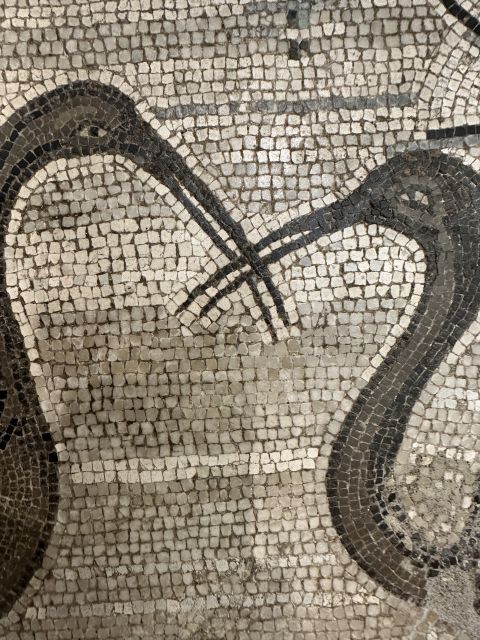
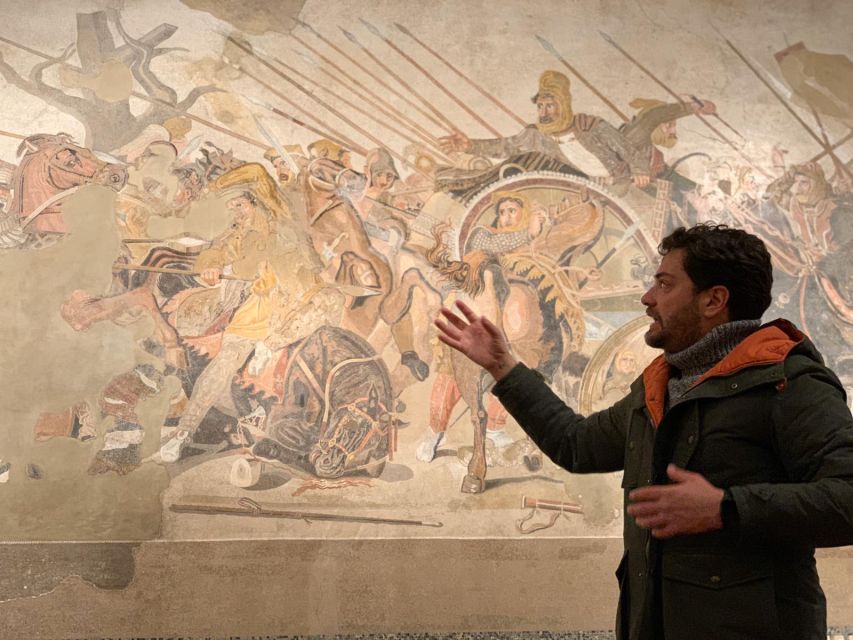
Mosaics offer another kind of detail. Tiny pieces of stone and glass create portraits, scenes, and patterns that reward a close look. The mosaic of Alexander the Great is one of the tour’s key moments. It gives you a chance to see an image associated with power, war, and heroic identity at a scale and level of detail that photographs rarely convey.
Herculaneum adds a different note. The objects from that town help show domestic life and the material quality of Roman homes. You might find ordinary tools and household items alongside more precious pieces. That combination keeps the visit grounded. Ancient history was not only emperors and battles. It was also cooking, decorating, working, storing, and eating.
A useful tip is to tell the guide early if Pompeii is your priority. If you have already visited Pompeii, ask for more attention to Herculaneum objects or to the museum’s smaller domestic pieces. With a private tour, your interests can help shape the balance.
The Alexander mosaic and the drama of ancient battle
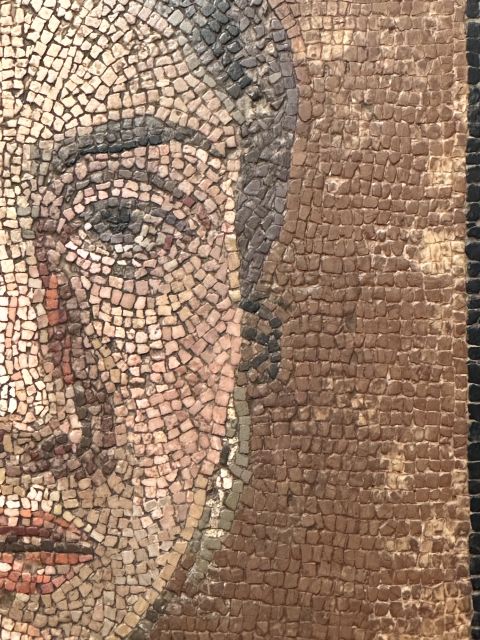
The Alexander mosaic deserves time, even on a short route. Its subject is a battle between Alexander the Great and the Persian king Darius III. The scene is packed with movement, fear, weapons, horses, and intense faces.
A guide can help you read the composition rather than just glance at it. Look at where the figures turn their heads, how the weapons create movement, and how the expressions make the scene feel immediate. This is one of those works where a short explanation changes what you see.
The tour also calls attention to the Battle of Issus, described in the supplied material as the Battle of Osso. If battle scenes normally blur together for you, the guide’s context can help explain why this work mattered and how ancient artists created a sense of action without modern perspective or photography.
This section suits both specialists and first-time museum visitors. You do not need prior knowledge of Alexander or Roman art to appreciate the piece. At the same time, a focused guide can give history fans more than a quick label beside the display.
More museums and sites in Naples:
- Naples: National Archaeological Museum audio guide
★ 4.0 · 155 reviews - Capodimonte Museum in Naples
★ 4.0 · 115 reviews - Sant’Aspreno ai Crociferi: Church & Jago Museum Guided Tour
★ 4.9 · 86 reviews - Skip the Line: National Archaeological Museum of Naples Entry Ticket
★ 3.5 · 82 reviews
The Farnese sculptures and the museum’s grand scale
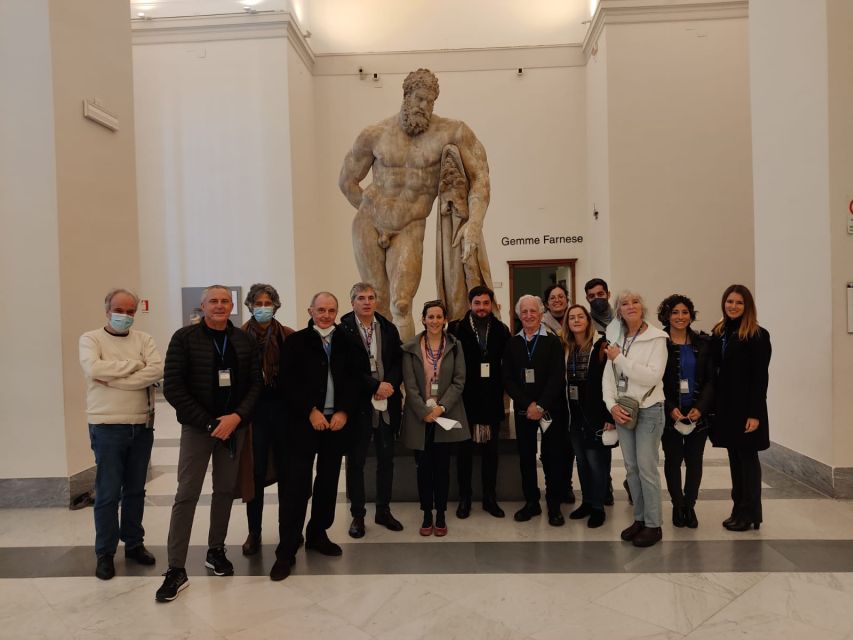
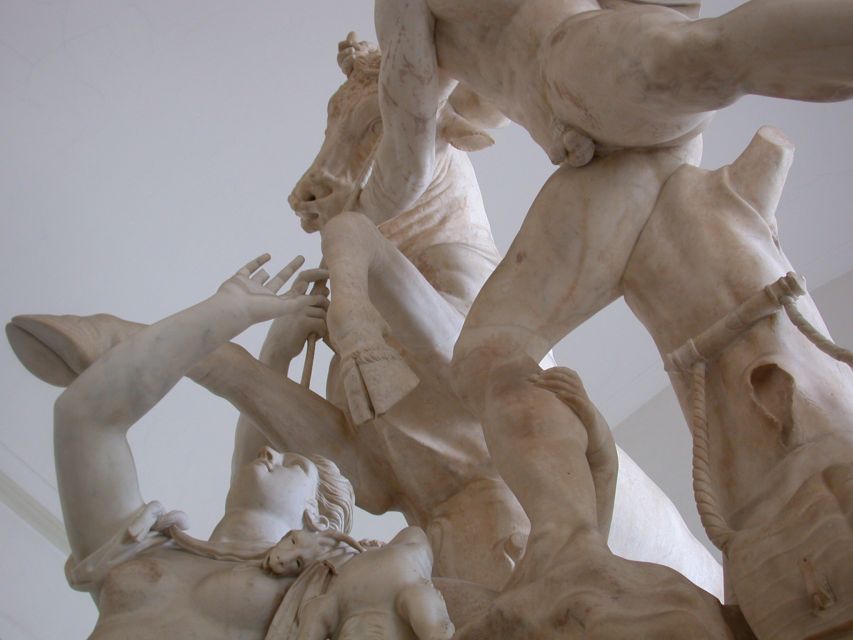
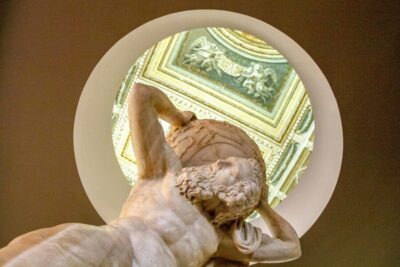
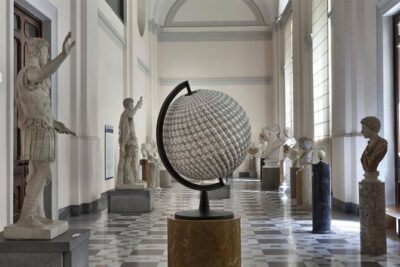
After the intimate mosaics and frescoes, the huge classical sculptures of the Farnese Collection change the mood. These works have physical force. Their size, poses, and carved bodies make the ancient world feel monumental.
The Farnese sculptures also show how later collectors shaped the way we see antiquity. You are not just looking at isolated statues. You are seeing part of a major collection that helped define the museum’s importance. The guide can explain what makes these works different from the smaller objects found in Pompeian homes.
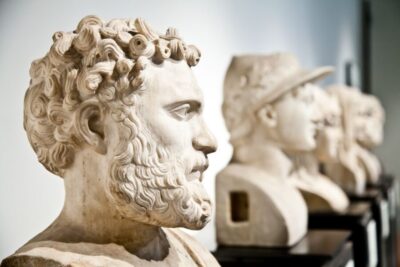
This is an area where scale matters. A photograph on a phone cannot fully show how large some sculptures are or how they occupy the room. Take a moment to look from a distance, then inspect details closer up. Faces, hands, hair, fabric, and carved muscles often reward that second look.
The drawback is that the museum’s biggest works can take over your attention. If you prefer domestic archaeology, do not let the grand statues crowd out the smaller rooms. Tell your guide that you want a balance between famous masterpieces and everyday objects.
Two hours, used well
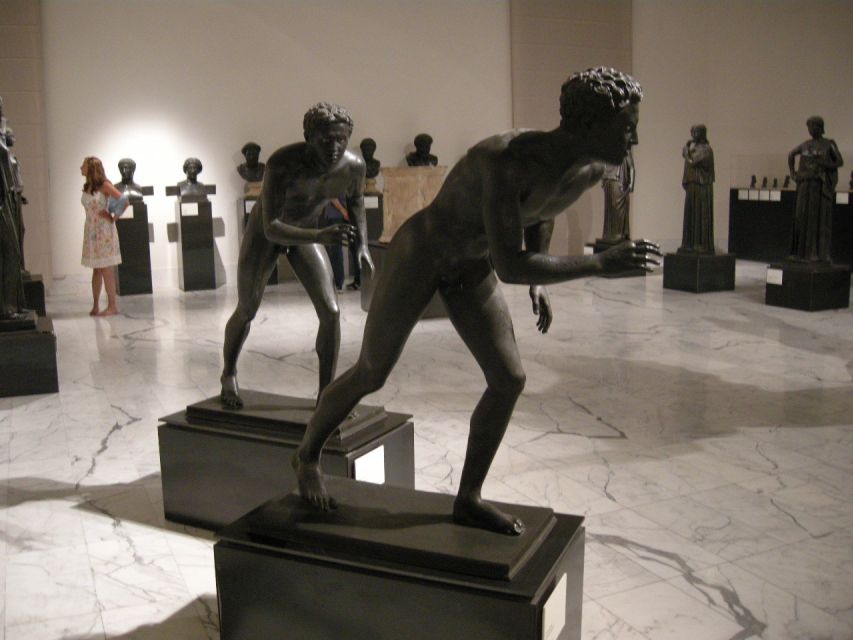
Two hours is a sensible length for a first visit. MANN is large, and a full day can become tiring if you try to absorb every gallery. A private two-hour tour gives you a clear path through selected highlights and leaves you the option of returning to a favorite section afterward, if museum rules and opening hours allow.
You should not expect a complete survey of the museum. The guide will need to choose. That is not a flaw, but it is worth understanding before you book. If you want every Pompeii room, every Farnese sculpture, and every major Greek and Roman object, you will need extra independent time.
The best use of the tour is as an orientation. You learn which areas deserve another look, which works connect to places you will see around Campania, and how to read the museum’s objects. This is especially helpful early in a Naples visit, before Pompeii or Herculaneum, because the museum can give you useful context for the sites.
It also works well after visiting the ruins. You will recognize the decorative styles and understand how the objects relate to houses, public spaces, and daily life. Either order can work.
Is the private price good value?
The listed price is $260.56 for a private group up to one person. That wording is unusual, so check the exact group and booking terms before paying. The key point is that this is a private guided experience rather than a standard shared museum tour.
For a solo visitor, the price is a serious expense. You are paying for a licensed archaeological guide, admission tickets, and a focused route through one of the world’s most important archaeology museums. If you would otherwise spend two hours reading labels and missing connections, the guidance may justify the cost.
For a couple or family, private pricing can make more sense if the booking terms allow everyone in your party to join under the stated group arrangement. Confirm that detail directly, since the supplied price description specifies a group up to one. The value is strongest for people who want personal attention, have limited time, or need explanations in a particular language.
It is less appealing if you enjoy wandering alone, already know Roman art well, or plan to spend several hours studying the museum at your own pace. In that case, admission with a guidebook or audio option, if available at the museum, may suit you better. Those alternatives are not included in the supplied tour details, so check current museum arrangements separately.
Who should book this Naples museum tour?
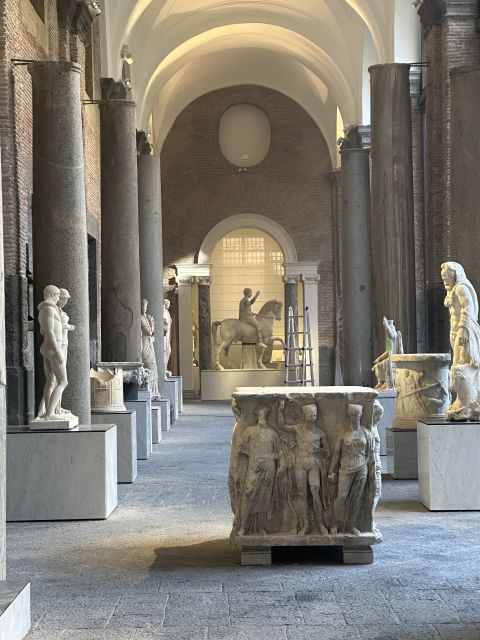
I would recommend it most strongly to first-time visitors who want structure without a large group. It is also a good match for families, especially when ages and interests differ. Roberta’s French-language visit with a 14-year-old shows how a guide can make the material more approachable for younger visitors.
History fans will appreciate the concentration of major works. You can see Pompeii and Herculaneum material, Roman domestic objects, the Alexander mosaic, and the Farnese sculptures in one sitting. The tour also suits anyone who wants to visit Pompeii but cannot fit Herculaneum into the schedule.
You may want something else if your main goal is to see the ruins in their original setting. MANN gives you objects, decoration, and sculpture at close range, but it cannot recreate walking through a Roman street or standing inside a preserved house.
The tour is also a good choice for a rainy day or a tightly planned Naples itinerary. Since you meet and finish at the museum, the logistics are straightforward. You will need to arrange your own transport to the meeting point, and there is no hotel pickup.
Booking flexibility and practical details
You can cancel up to 24 hours before the activity for a full refund, and the reserve-now, pay-later option lets you keep your plans flexible. Starting times depend on availability, so check the calendar before building the rest of your day around the museum.
Admission tickets and the guided tour are included. Food, drinks, personal expenses, and hotel transportation are not. Wear comfortable shoes, since the visit takes place in a large museum and includes movement between galleries.
Bring your questions. A private tour is most useful when you make your priorities clear. Ask for more Pompeii, more Herculaneum, more sculpture, or a simpler explanation for younger members of your group. You are not locked into a one-size-fits-all talk.
Should you book the National Archaeological Museum of Naples tour?
Book it if you want a focused introduction to MANN, prefer a private guide, and care about understanding what you are seeing rather than simply passing through famous rooms. The combination of Pompeii and Herculaneum objects, the Alexander mosaic, and the Farnese sculptures gives you a strong sample of the museum’s range.
Skip it if you want to explore slowly on your own or if the private price does not fit your budget. Two hours will not cover the entire museum, and the price wording for a group up to one person deserves clarification before booking.
For most first-time visitors with limited time, I see the value in it. You get a clear route, a licensed archaeologist, several major masterpieces, and a better sense of how the museum connects to the ancient sites around Naples.
FAQ
Where does the National Archaeological Museum tour begin?
The tour begins at the entrance of the National Archaeological Museum of Naples, also called MANN. Your guide will wait for you there.
Where does the tour end?
The activity ends back at the National Archaeological Museum of Naples, at the meeting point.
How long does the guided visit last?
The guided visit lasts two hours. Starting times depend on availability.
Which languages are available?
The live guide is available in English, French, Spanish, and Italian.
Are museum admission tickets included?
Yes. Admission tickets and the guided tour are included.
Is the tour private and wheelchair accessible?
Yes. It is offered as a private group activity and is listed as wheelchair accessible.
Can I cancel the tour and receive a refund?
You can cancel up to 24 hours in advance for a full refund. A reserve-now, pay-later option is also available.
Just added around Naples
- Naples: Guided Walking Tour★ 4.7 · 63 reviews
- Wine tasting in the Vesuvius National Park★ 3.5 · 4 reviews
- Naples: Pompeii and Vesuvius Skip-the-Line Day Trip★ 3.8 · 32 reviews
- Visit the Museum MANN with a professional guide★ 5.0 · 3 reviews
- Walking-tour of Naples hystorical Centre★ 4.4 · 4 reviews
- Pompeii: Vesuvius at Sunset★ 3.5 · 31 reviews
- Vesuvius – Herculaneum – Pompeii Excavations Tour★ 4.2 · 9 reviews
- Vesuvius and Herculaneum from Naples★ 3.7 · 29 reviews
Naples National Archaeological Museum Tours, compared.
National Archaeological Museum Ticket & Audio App
Read our review →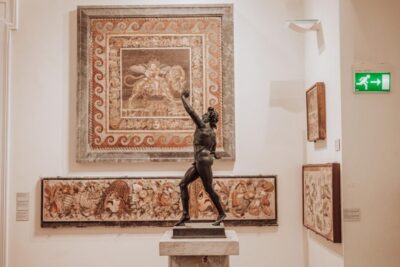
National Archaeological Museum of Naples Guided Tour
Read our review →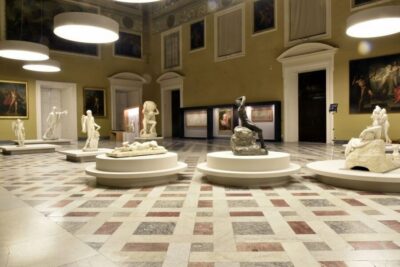
National Archaeological Museum Tour & Digital Guide
Read our review →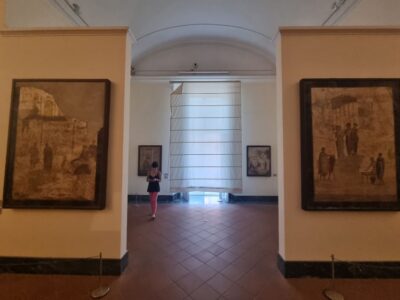
Skip the Line: National Archaeological Museum of Naples Entry Ticket
Read our review →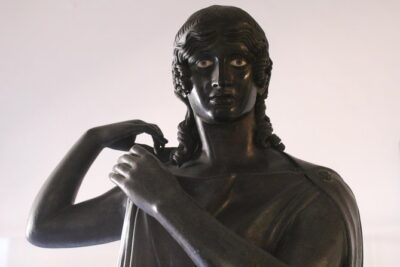
Naples Archaeological Museum 2-Hour Guided Private Tour
Read our review →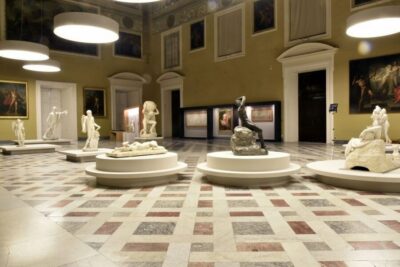
3-Day Pass, Pompeii, & Archeological Museum Included
Read our review →Browse the lists this tour appears in